
Muslim Tries To CONFUSE Mexican Christian But Gets DESTROYED!
One of the most common objections raised against Christianity is the question,
“If Jesus is God, why does He call the Father ‘My God’?”
Recently, a Christian named Emmanuel (Manny) had this exact discussion with Shaykh Uthman Ibn Farooq. The conversation centered on Revelation 3:12, where Jesus repeatedly refers to the Father as “My God.”
For many Muslims, this verse seems like a knockout argument against the deity of Christ. But does it really disprove the Trinity?
Let’s take a closer look.
 The Question…Can God Call Someone Else “My God”?
The challenge presented was straightforward. If Jesus is truly God, why does He speak of the Father as “My God” in Revelation 3:12?
At first glance, some assume this creates an impossible contradiction. Yet the objection only works if Christianity teaches that Jesus and the Father are the same Person.
Christianity has never taught that.
The doctrine of the Trinity teaches that there is one God who exists eternally as three distinct Persons: Father, Son, and Holy Spirit. Because the Son is distinct from the Father, communication between them is not only possible—it is expected.
The Son can speak to the Father. The Father can speak to the Son. The Holy Spirit can be sent by both. Distinction of persons does not deny unity of essence.
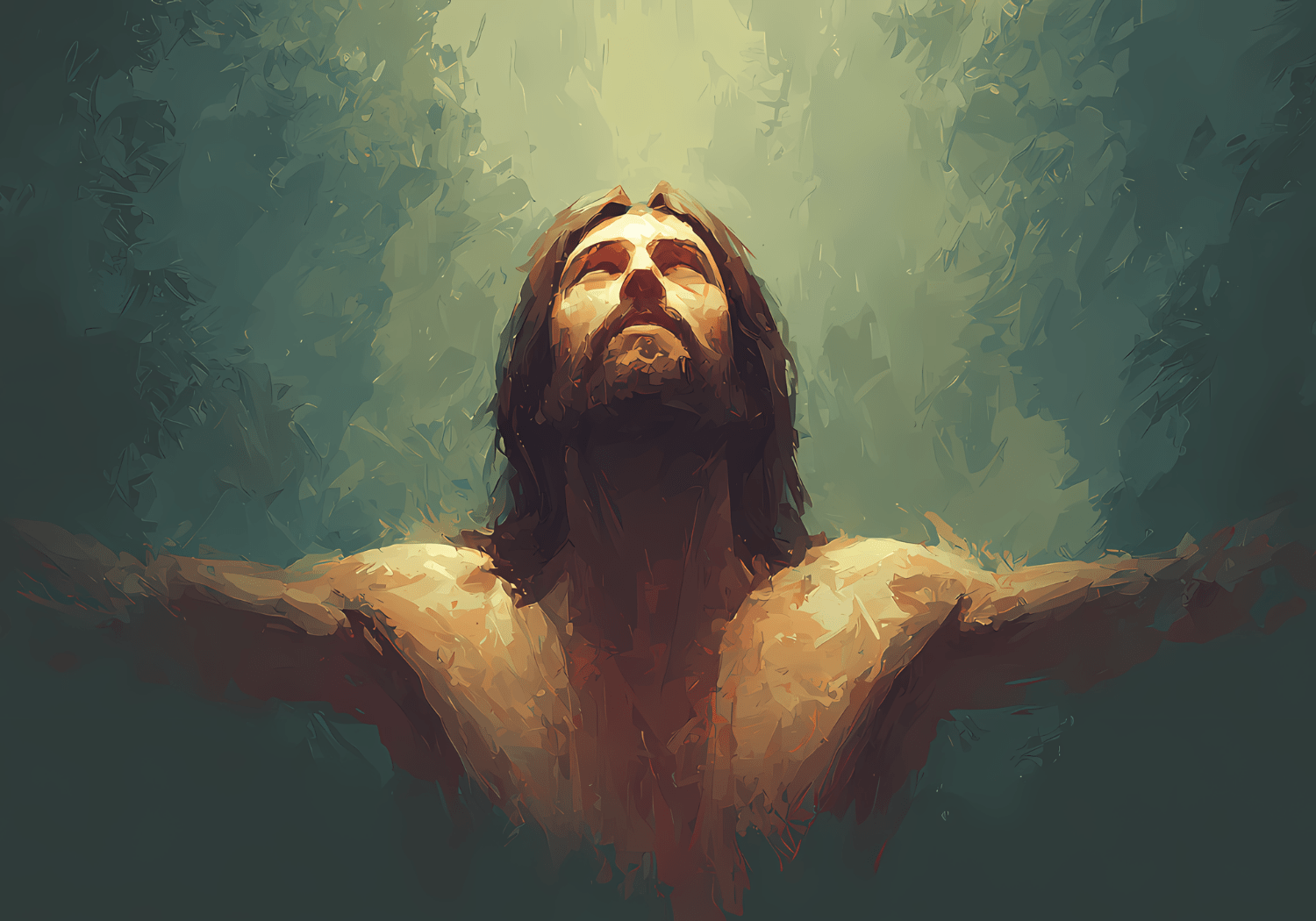 Understanding Revelation 3:12 and The Importance of Christ’s Human Nature
The verse at the center of the discussion states:
“Him that overcometh will I make a pillar in the temple of my God, and he shall go no more out: and I will write upon him the name of my God, and the name of the city of my God, which is new Jerusalem, which cometh down out of heaven from my God: and I will write upon him my new name.” — Revelation 3:12
The argument assumes that because Jesus says “My God,” He cannot be divine. However, this overlooks a crucial part of Christian theology: the incarnation.
Christians believe that the eternal Son of God took on genuine humanity. He did not merely appear human. He became truly human while remaining fully divine.
Even after His resurrection, Jesus did not discard His humanity. The Gospels show Him eating, speaking, and interacting physically with His disciples after rising from the dead. His resurrected body was glorified, but it was still a real human body.
Because Jesus remains the God-Man, it is not surprising that He speaks of the Father as “My God.”
Another major issue in the discussion was the refusal to consider Christianity on its own terms.
If Christians believe Jesus possesses both a divine nature and a human nature, then any evaluation of Christian doctrine must account for that belief.
The debate repeatedly returned to the question of whether Jesus could refer to the Father as “My God” while remaining divine.
The answer is yes. The New Testament consistently presents Jesus as God and man.
Christian theology does not force one set of passages against the other. It accepts both because Scripture teaches both. Share on X Revelation 5 and Psalm 22
Another important passage that sheds light on this issue is Revelation 5.
In John’s heavenly vision, no one is found worthy to open the scroll until the Lion of the tribe of Judah appears—the Lamb who was slain.
“Worthy is the Lamb that was slain.” — Revelation 5:12
This scene highlights something remarkable.
The glorified Christ in heaven is still identified as the Lamb who was slain. His sacrificial work as the incarnate Son remains central to His identity.
The One being worshiped in heaven is the same Jesus who entered human history, died for sinners, and rose again in victory. Share on XFar from undermining Christianity, Revelation reinforces the Biblical teaching that Jesus remains both divine and human. Critics often point to passages where Jesus cries out to God as evidence that He cannot be God.
One of the most famous examples comes from Psalm 22, which Jesus quotes from the cross:
“My God, my God, why hast thou forsaken me?” — Psalm 22:1
Jesus intentionally identified Himself with this Messianic Psalm.
Yet Christians have never viewed this as evidence against His deity. Instead, it demonstrates the reality of the incarnation. The eternal Son entered our world and experienced human suffering, pain, and death on behalf of sinners.
The fact that Jesus addresses the Father as “My God” is entirely consistent with His genuine humanity. Share on X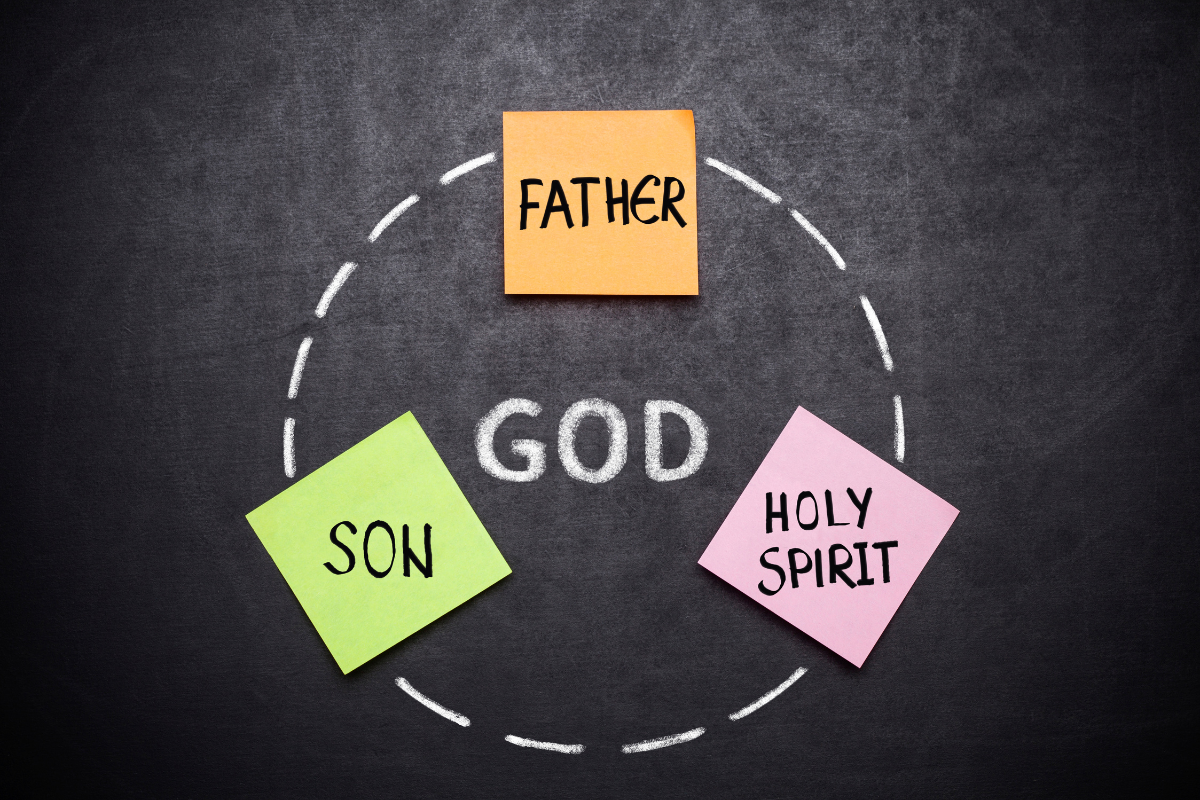 The Trinity and Acts 3:13
Many objections arise because people attempt to reduce Jesus to only one aspect of His identity. Some focus exclusively on His humanity. Others ignore His humanity altogether. The Biblical picture is more complete.
Jesus is not merely a prophet. He is not merely a man nor a lesser deity. He is the eternal Son who became flesh. Share on XThe Trinity is not an attempt to explain away difficult verses. It is the conclusion Christians reach after examining everything Scripture says about the Father, Son, and Holy Spirit.
The Bible presents:
- One God.
- The Father as God.
- The Son as God.
- The Holy Spirit as God.
- Distinction between the three Persons.
The doctrine of the Trinity is the natural result of holding all those truths together.
Acts 3:13 is another passage frequently cited in these discussions:
“The God of Abraham, and of Isaac, and of Jacob, the God of our fathers, hath glorified his Son [servant] Jesus; whom ye delivered up, and denied him in the presence of Pilate, when he was determined to let him go.”
Some assume that because Jesus is called God’s servant, He cannot be divine. But Scripture repeatedly presents Jesus as both the divine Son and the suffering servant.
In fact, Philippians 2 teaches that the eternal Son humbled Himself and took on the form of a servant. Being a servant does not deny His deity. It reveals His humility.
The wonder of the gospel is not that God sent someone else to save us. The wonder of the gospel is that God the Son entered history Himself to accomplish our redemption. Share on X Looking at Christianity Through Christian Eyes
One of the most valuable lessons from this discussion is the importance of understanding a belief system on its own terms. If someone wants to critique Christianity, they must first understand what Christians actually believe.
The debate often became stuck because Christian doctrine was being interpreted through an Islamic framework rather than a Biblical one.
When we examine Christianity through the lens of Scripture, passages like Revelation 3:12 fit naturally within the broader teaching of the incarnation and the Trinity.
Rather than disproving Christ’s deity, they reveal the beauty of the God-Man who came to save sinners.
The question, “Does God have a God?” is not as devastating to Christianity as many assume. The answer is found in the person of Jesus Christ Himself.
The Son of God became man. He lived among us, died for us, rose again, and remains our glorified Savior forever. Because He truly became human, it is entirely fitting for Him to speak of the Father as “My God.”
Because He is also truly divine, He remains worthy of the worship given to Him throughout Scripture.
If you enjoyed this and want to go deeper into the evidence for the deity of Christ and the Biblical response to common objections, watch this related video.
You’ll see more examples of how careful attention to Scripture helps answer difficult questions and exposes common misunderstandings about Jesus, the Trinity, and the Christian faith.
WATCH THE VIDEO
















Recent Comments