
Why Is Jesus Called The Son Of Joseph If The Virgin Birth Is True?
One objection that frequently surfaces in conversations about Christianity is simple: If Jesus was born of a virgin, why do several New Testament passages refer to Him as the son of Joseph? At first glance, this may appear to be a contradiction.
However, a careful reading of the Gospels reveals that these references do not undermine the virgin birth. Instead, they fit perfectly within the historical and cultural context of Jesus’ life.
The key is to ask who is calling Jesus the son of Joseph and why they are doing so. Throughout the Gospels, these references come from three different sources: the crowds, one of the disciples, and Luke as the Gospel writer.
None of these examples requires Joseph to be Jesus’ biological father.
“Now all this was done, that it might be fulfilled which was spoken of the Lord by the prophet, saying, Behold, a virgin shall be with child, and shall bring forth a son, and they shall call his name Emmanuel, which being interpreted is, God with us.” — Matthew 1:22-23
 The Crowd Knew Jesus by Reputation, Not by Revelation
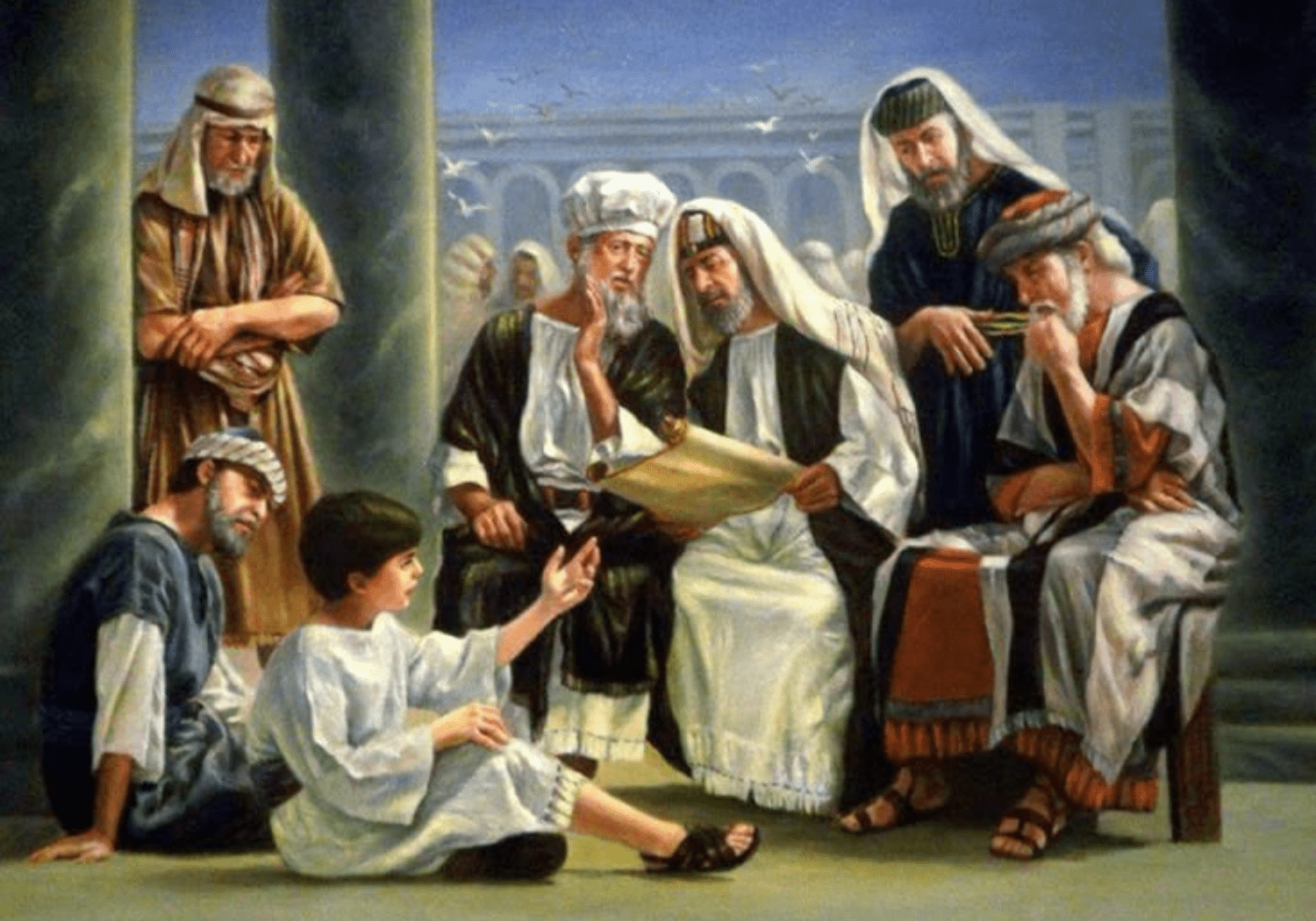
The first examples come from ordinary people who had watched Jesus grow up in Nazareth. When Jesus returned to His hometown and taught in the synagogue, the people were astonished by His wisdom and miracles.
They asked:
“Is not this the carpenter’s son? is not his mother called Mary? and his brethren, James, and Joses, and Simon, and Judas?” — Matthew 13:55
Notice what is happening. The crowd is not making a theological declaration under divine inspiration. They are simply identifying Jesus according to what they believed about His upbringing.
Even more importantly, the surrounding context shows these same people were confused about Jesus’ identity. They were amazed that someone they thought they knew possessed such extraordinary wisdom and miraculous power.
Their surprise actually demonstrates that they did not fully understand who Jesus really was.
The parallel account in Mark makes the same point.
“Is not this the carpenter, the son of Mary, the brother of James, and Joses, and of Juda, and Simon?” — Mark 6:3
Luke’s account adds another significant detail. Instead of embracing Jesus, His hometown rejected Him so fiercely that they attempted to throw Him off a cliff.
“And rose up, and thrust him out of the city… that they might cast him down headlong.” — Luke 4:29
If these same people misunderstood Jesus so badly that they wanted Him dead, they can hardly be treated as the final authority on His miraculous conception.
 John 6 and Philip
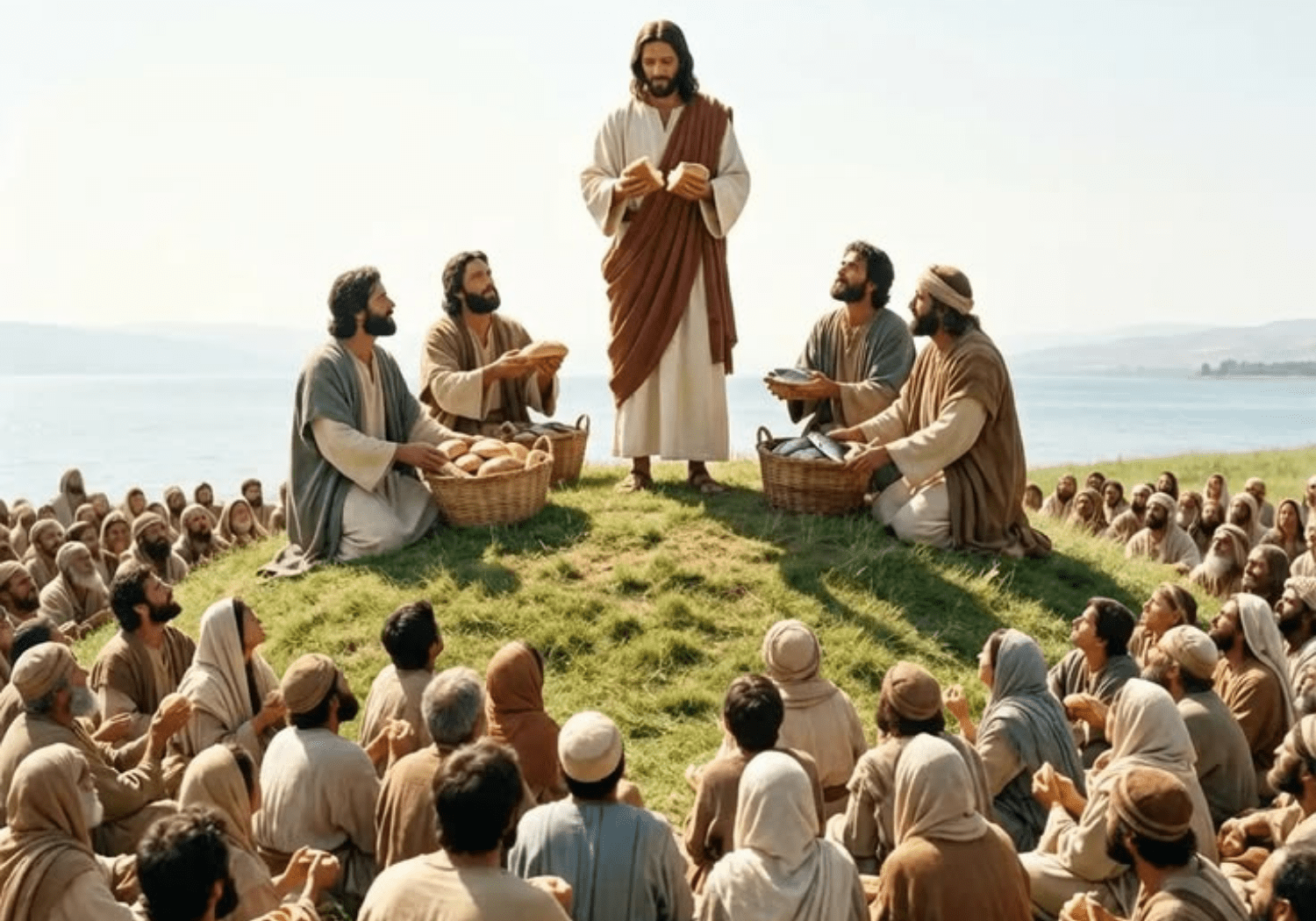
Another example comes after Jesus miraculously fed the five thousand. Rather than believing His claims, many questioned Him.
“And they said, Is not this Jesus, the son of Joseph, whose father and mother we know? how is it then that he saith, I came down from heaven?” — John 6:42
Again, the statement comes from doubters. Their reasoning is straightforward: We know His family, so how can He claim to have come from heaven?
The issue is not that Scripture is correcting the virgin birth. The issue is that unbelievers are refusing to believe Jesus’ testimony.
This also fits with later confrontations in John’s Gospel, where Jesus’ opponents make insulting remarks that appear to hint at rumors surrounding His birth.
“We be not born of fornication; we have one Father, even God.” — John 8:41
Rather than disproving the virgin birth, these hostile comments actually suggest that stories surrounding Jesus’ unusual conception were already circulating.
The second category comes from one of Jesus’ earliest disciples. When Philip found Nathanael, he excitedly announced that he had found the promised Messiah.
“We have found him, of whom Moses in the law, and the prophets, did write, Jesus of Nazareth, the son of Joseph.” — John 1:45
At this stage, Philip had only recently met Jesus. He identifies Jesus the same way almost everyone else did: by His hometown and by the man who had raised Him.
This is similar to how people today identify someone by the family they grew up in rather than by explaining every detail of their birth. Calling Joseph His father in an ordinary social sense does not require Joseph to be His biological father.
 Luke Makes the Most Important Distinction: Jesus Himself Clarifies Who His True Father Is
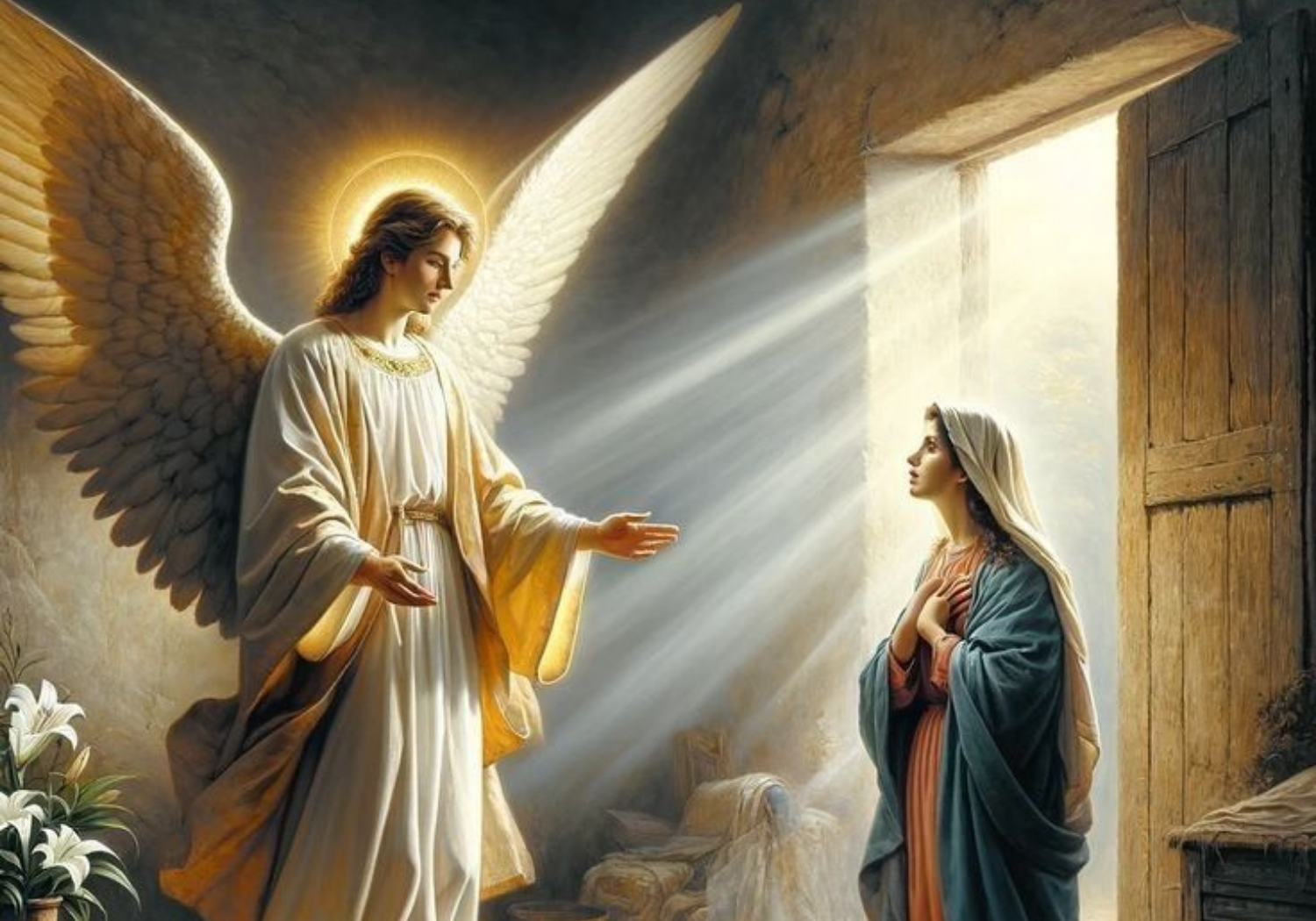
The strongest evidence actually comes from Luke. He records the virgin birth in great detail during the opening chapters of his Gospel. He leaves no doubt that Jesus was conceived by the Holy Ghost.
“The Holy Ghost shall come upon thee, and the power of the Highest shall overshadow thee: therefore also that holy thing which shall be born of thee shall be called the Son of God.” — Luke 1:35
Because Luke has already established this truth, his later references to Joseph become much easier to understand. When recording Jesus’ genealogy, Luke carefully writes:
“And Jesus himself began to be about thirty years of age, being (as was supposed) the son of Joseph…” — Luke 3:23
Those three words are incredibly important:
“As was supposed.”
Luke is acknowledging the common assumption without affirming that Joseph was Jesus’ biological father. He reminds readers that this was how people regarded Jesus publicly, even though Luke has already explained the miraculous conception.
One of the clearest examples comes when Jesus was twelve years old. Luke refers to Mary and Joseph together as His parents because they raised Him.
“Now his parents went to Jerusalem every year at the feast of the passover.” — Luke 2:41
Later in the same chapter, however, Luke subtly changes his wording. Instead of saying “His parents,” he writes:
“And Joseph and his mother knew not of it.” — Luke 2:43
That distinction is easy to overlook, but it becomes significant a few verses later. After searching anxiously for three days, Mary says:
“Son, why hast thou thus dealt with us? behold, thy father and I have sought thee sorrowing.” — Luke 2:48
Jesus immediately redirects the conversation.
“How is it that ye sought me? wist ye not that I must be about my Father’s business?” — Luke 2:49
Mary refers to Joseph. Jesus refers to His heavenly Father.
Luke intentionally places these statements side by side so readers understand that while Joseph fulfilled the role of an earthly father, God alone was Jesus’ true Father.
Imagine introducing the people who raised you. It would be perfectly natural to call them your parents, even if one of them were an adoptive parent.
No one would assume that the word “father” automatically means a biological relationship. It often refers to the person who raised, protected, and cared for the child.
Joseph faithfully fulfilled that role in Jesus’ earthly life. He protected Mary, cared for Jesus, and raised Him in Nazareth. Scripture honors Joseph for this responsibility without ever abandoning the truth that Jesus was conceived by the Holy Ghost.
 The Biblical Evidence Points in One Direction
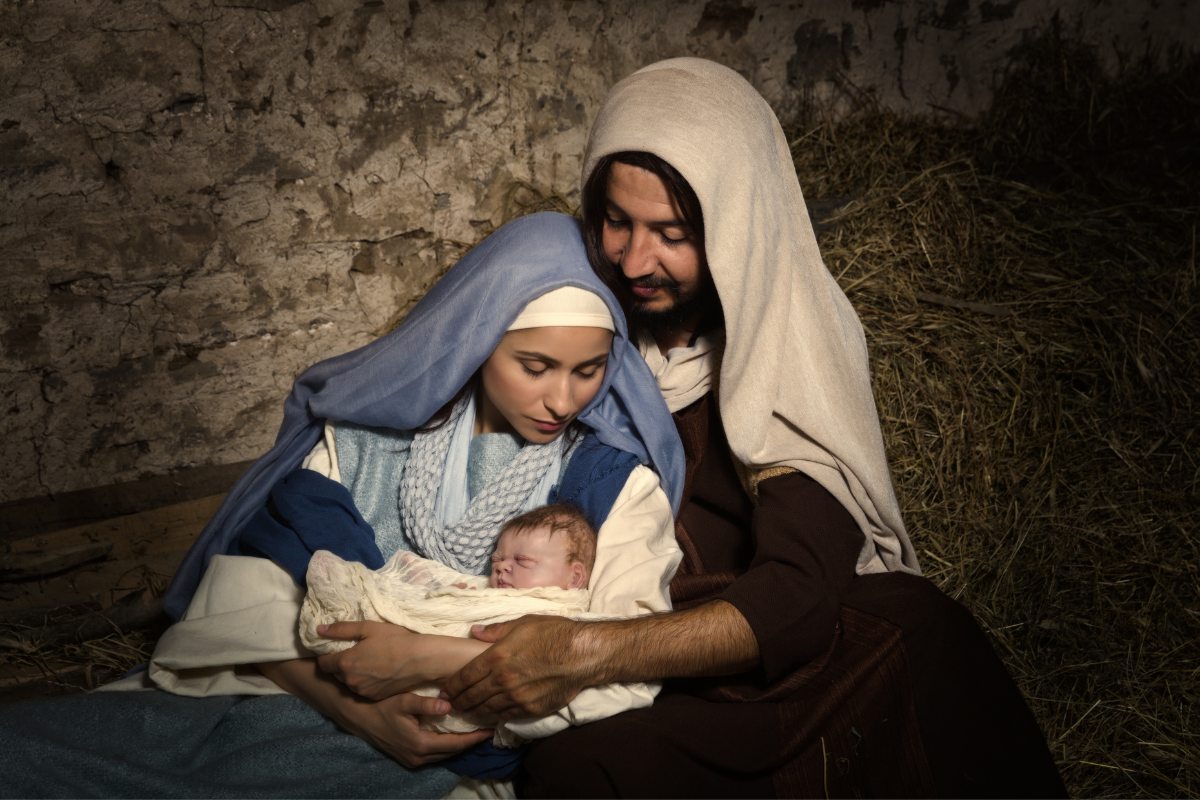
When every passage is examined in context, the evidence is remarkably consistent. The crowds called Jesus the son of Joseph because that was the family they knew. Philip identified Jesus according to common public knowledge.
Luke occasionally referred to Joseph and Mary as Jesus’ parents because they raised Him, yet repeatedly distinguished Joseph from Jesus’ true heavenly Father.
None of these passages contradicts the virgin birth. Instead, they fit naturally alongside the Gospel accounts that clearly proclaim Jesus’ miraculous conception.
The New Testament never forces readers to conclude that Joseph was Jesus’ biological father. Rather, it consistently teaches that Jesus was born of the virgin Mary while Joseph faithfully served as His earthly guardian and legal father.
“Therefore the Lord himself shall give you a sign; Behold, a virgin shall conceive, and bear a son, and shall call his name Immanuel.” — Isaiah 7:14
If you enjoyed this study and want to go even deeper, be sure to read this related article.
It builds on this topic and answers additional questions about the identity of Jesus using careful Biblical context from Matthew. It’s a great next step if you’re looking to strengthen your understanding of what Scripture really teaches.
WATCH THE VIDEO














Recent Comments