
Muslim RUNS UP On 4 ELDERLY Christians & Gets DESTROYED Again!
Street conversations about Christianity and Islam often move quickly. Questions are fired back and forth, verses are quoted, and sometimes the loudest person appears to be winning the discussion.
But appearances can be deceiving.
In a recent conversation, Shaykh Uthman Ibn Farooq approached four elderly Christians and attempted to challenge some of Christianity’s core teachings.
What followed was a reminder of why context matters when reading Scripture and why isolated verses rarely tell the whole story.
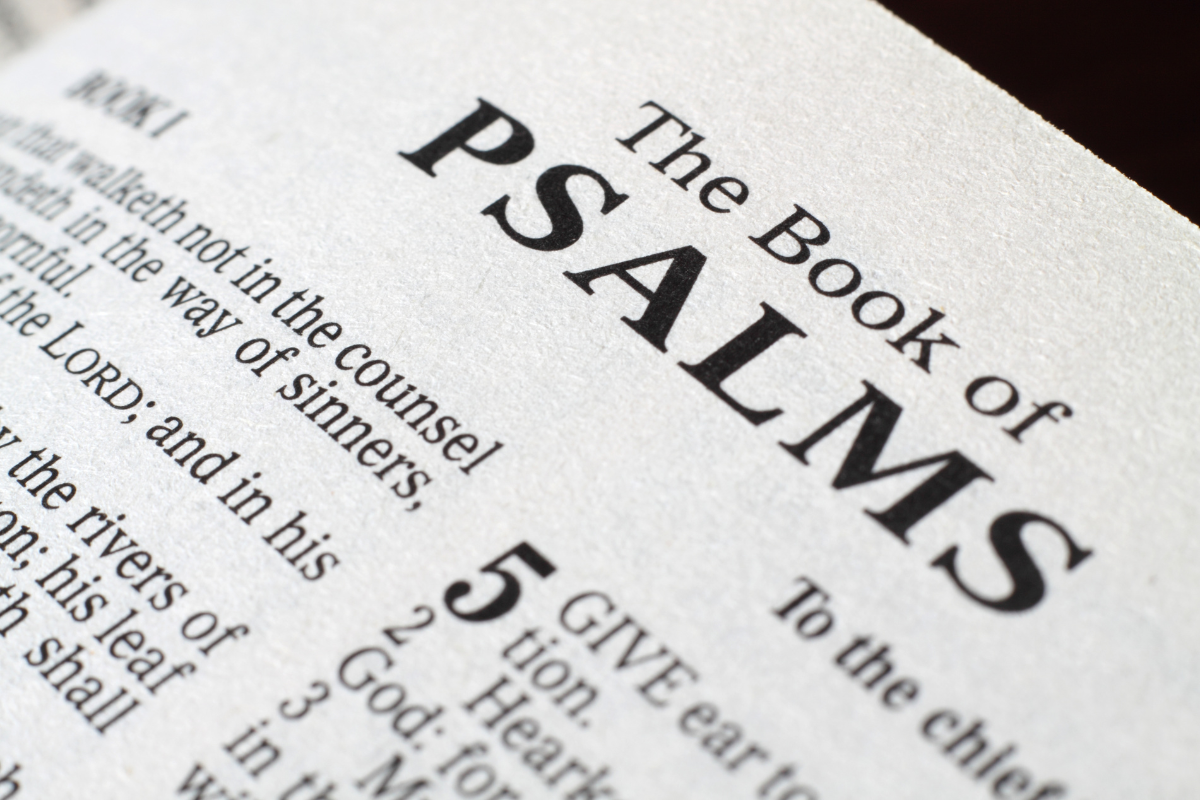 Psalm 2 and the Misunderstanding of “Begotten”
One of the first passages discussed was John 9:35-38.
After healing a blind man, Jesus revealed Himself as the Son of God. The man responded by believing in Him and worshiping Him. Significantly, Jesus did not reject this worship.
Throughout Scripture, faithful servants of God refuse worship when it is wrongly directed toward them. Angels refuse it. Apostles refuse it. Yet Jesus consistently receives it.
This becomes even more significant when we connect it to John’s stated purpose for writing his Gospel.
“But these are written, that ye might believe that Jesus is the Christ, the Son of God; and that believing ye might have life through his name.” — John 20:31
John’s goal was not merely to show that Jesus was a prophet. His goal was to demonstrate that Jesus is the promised Messiah and the unique Son of God through whom eternal life is found.
Another common objection raised was focused on Psalm 2:7:
“Thou art my Son; this day have I begotten thee.” — Psalm 2:7
The argument attempted to suggest that because this verse appears in the Psalms before Jesus’ earthly ministry, it cannot refer to Christ.
The problem is that both Jewish and Christian interpreters have historically recognized Psalm 2 as a Messianic passage.
The Old Testament repeatedly prepares readers for the coming Messiah through prophecy, shadows, and foreshadowing. Psalm 2 is one of those passages.
Just as Isaiah points forward to Christ, and just as numerous Psalms prophetically anticipate events surrounding Jesus’ life, death, and reign, Psalm 2 points beyond David toward the coming King whom God would establish forever.
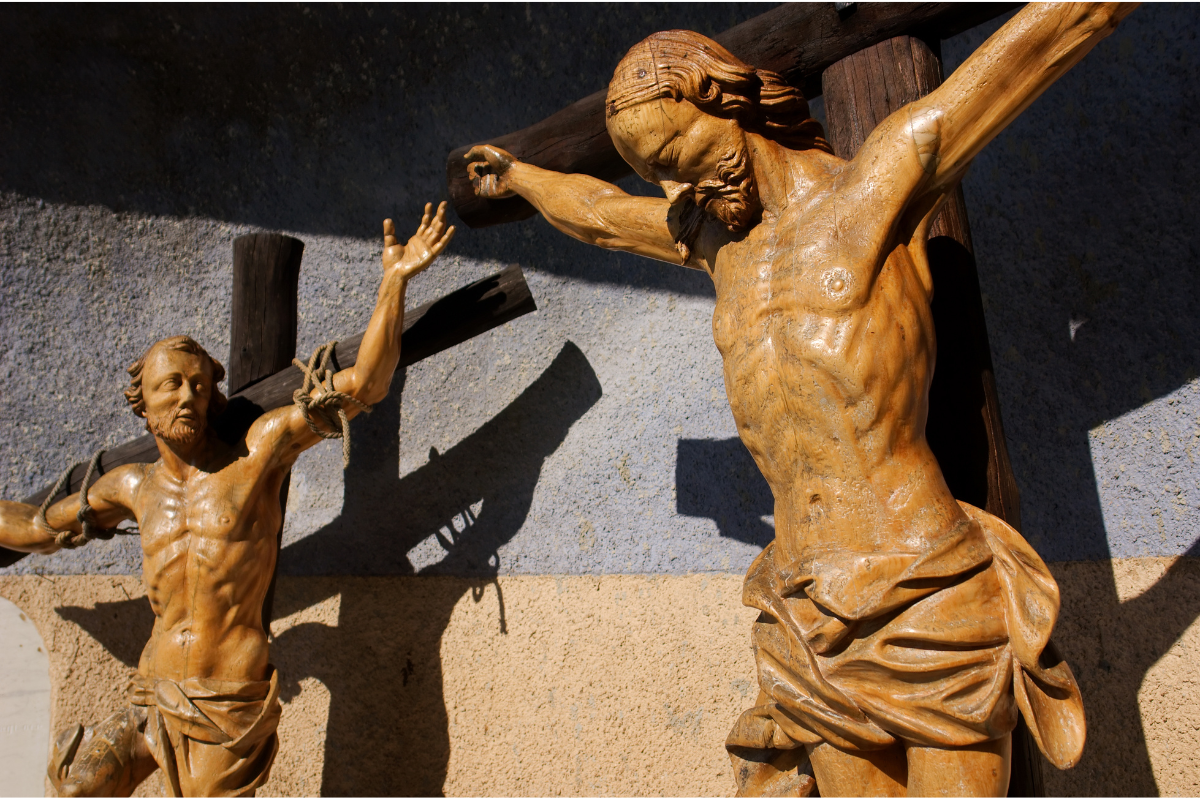 Psalm 22 and the Cross
One of the most fascinating moments in the conversation centered on Psalm 22.
When Jesus cried out from the cross:
“My God, my God, why hast thou forsaken me?” — Psalm 22:1 / Matthew 27:46
Some assume Jesus was merely expressing despair. But something much deeper was taking place.
Jesus was directing attention to an entire Psalm that remarkably describes details surrounding His crucifixion hundreds of years before it occurred.
Psalm 22 contains descriptions of mockers surrounding the sufferer, piercing of hands and feet, and the casting of lots for garments.
Rather than disproving Jesus’ identity, Psalm 22 provides powerful evidence that the Old Testament anticipated the events of Calvary long before they happened.
 Does Jesus Having a God Mean He Cannot Be God?
Another argument raised was that Jesus referred to the Father as His God. The reasoning went like this:
“If Jesus has a God, then Jesus cannot be God.”
At first glance, this may sound persuasive. But it ignores one of Christianity’s central teachings: the incarnation.
Christianity teaches that God the Son took on human nature. As a true man, Jesus prayed. He worshiped and obeyed the Father. He experienced hunger, fatigue, and suffering.
The Bible never presents these realities as contradictions. In fact, Scripture presents both truths simultaneously.
“But unto the Son he saith, Thy throne, O God, is for ever and ever…” — Hebrews 1:8
Notice the remarkable statement. The Father Himself addresses the Son as God. Therefore, Christians have no difficulty understanding how Jesus, in His humanity, could speak of the Father as His God while still sharing the divine nature.
Another one centered around Jesus’ famous statement:
“I and my Father are one.” — John 10:30
Critics often attempt to explain this away by jumping immediately to John 17, where Jesus prays for believers to be one.
However, context matters. Just before declaring that He and the Father are one, Jesus says:
“And I give unto them eternal life; and they shall never perish…” — John 10:28
Jesus claims authority that belongs to God alone. He gives eternal life. He holds His sheep securely. No one can remove them from His hand or the Father’s hand.
The statement “I and my Father are one” comes after these extraordinary claims.
This is why the religious leaders immediately attempted to stone Him. They understood exactly what Jesus was claiming.
 The Resurrection Accounts, Revelation 1:8 and the Identity of Christ
Another objection focused on the resurrection narratives. Different Gospel writers highlight different details surrounding the women visiting Jesus’ tomb.
Some people assume that any variation automatically equals contradiction. But that’s not how eyewitness testimony works.
Imagine four people witnessing the same event. One person mentions two women. Another mentions additional women. One focuses on the angel. Another emphasizes the empty tomb.
Different details do not automatically mean contradictory details. In fact, this is exactly what we would expect from independent testimonies describing the same historical event from different perspectives.
The resurrection accounts complement one another rather than undermine one another. Share on XToward the end of the conversation, attention turned to one of the most powerful declarations in Scripture.
““I am the Alpha and the Omega,” says the Lord God, “who is and who was and who is to come, the Almighty.”” Revelation 1:8
Alpha and Omega are the first and last letters of the Greek alphabet. The title communicates absolute supremacy, eternality, and sovereignty.
Throughout Revelation, these divine titles are repeatedly connected to Christ. Far from presenting Jesus as merely another prophet, Revelation presents Him as the eternal Lord who reigns over history itself.
 A Testimony More Powerful Than an Argument
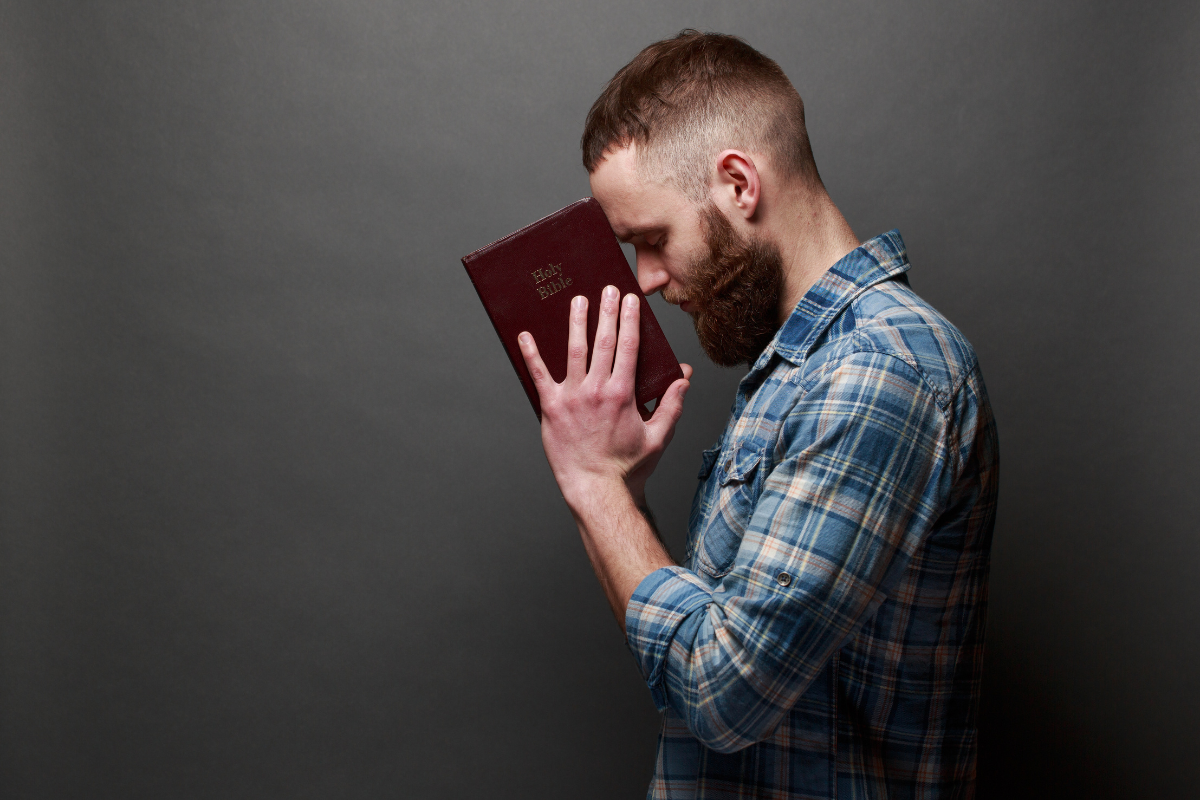
Perhaps the most moving moment came near the end of the discussion. One of the elderly Christians shared a deeply personal story.
In 1993, he reached a point of complete despair. His life felt so hopeless that he contemplated taking his own life. In that moment, he cried out to Jesus.
He asked Christ to reveal Himself if He truly was who Christians claimed Him to be. What happened next changed his life forever.
He described experiencing a profound encounter with God that transformed him from the inside out. Later, as he began reading Scripture, he connected that experience with what Jesus promised regarding the Holy Spirit.
Arguments have their place. Evidence matters. But transformed lives remain one of Christianity's most powerful testimonies. Share on X“And I will pray the Father, and he shall give you another Comforter, that he may abide with you for ever.” — John 14:16
 The God of All Flesh
The discussion also touched on an important Biblical truth often overlooked in these debates.
“Yet you are he who took me from the womb; you made me trust you at my mother’s breasts. On you was I cast from my birth, and from my mother’s womb you have been my God.” Psalm 22:9-10
“Behold, I am the LORD, the God of all flesh…” — Jeremiah 32:27
When God the Son took on flesh, He entered fully into the human experience without ceasing to be who He eternally was. This is why the New Testament presents Jesus as both truly God and truly man.
Understanding this truth resolves many objections that arise when passages are isolated from their broader Biblical context.
This conversation serves as another reminder that Christian doctrine cannot be dismantled by quoting isolated verses without context.
Whether discussing Psalm 2, Psalm 22, John 10, Hebrews 1, Revelation 1, or the resurrection accounts, the larger Biblical narrative consistently points to the same conclusion:
Jesus is far more than a prophet. He is the promised Messiah, the Son of God, the risen Savior, and the Lord of glory. Share on XIf you enjoyed this discussion, you should also watch the next video. You’ll see another challenge to Christianity examined carefully through the lens of Scripture.
Just like this, it highlights the importance of context, sound interpretation, and understanding what the Bible actually teaches rather than relying on assumptions about what Christians believe.
WATCH THE VIDEO
















Recent Comments