
Muslim Preacher RUNS UP On Group Of Christians & Gets EXPOSED!
A street discussion between Muslim preacher Uthman Ibn Farooq and a group of Christians quickly turned into a debate about one central question: Who does the Bible actually say Jesus is?
The Muslim argument focused on verses describing Jesus as a prophet, a man, the Son, and one sent by God. But the problem was not with those verses. Christians affirm them.
The problem came from treating one Biblical description of Jesus as though it cancels everything else Scripture says about Him.
That approach appears repeatedly throughout the discussion.
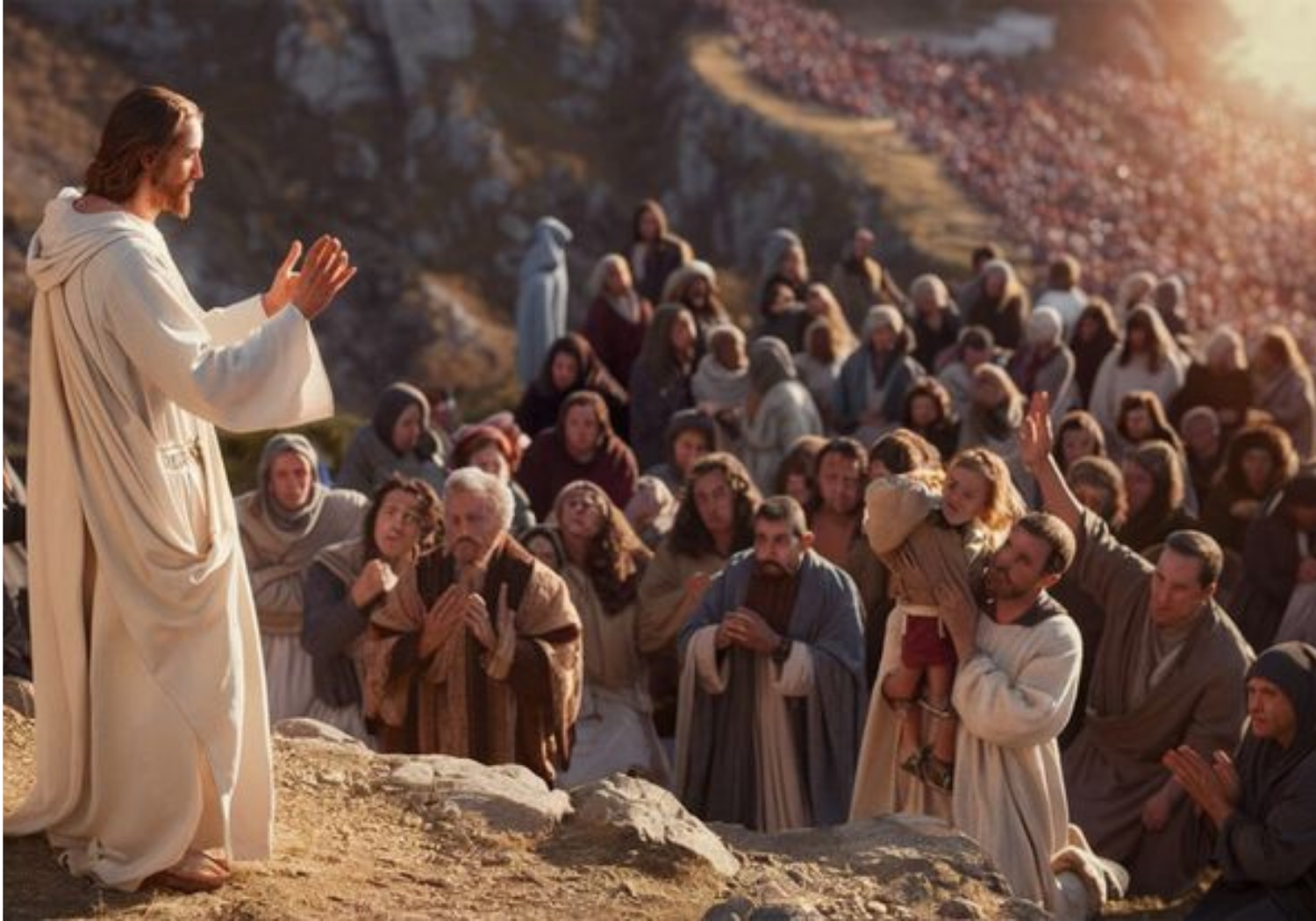 Yes, Jesus Is a Prophet—But He Is More Than a Prophet
Matthew 21:11 became one of the first passages raised. The crowds entering Jerusalem identified Jesus as a prophet.
“And the multitude said, This is Jesus the prophet of Nazareth of Galilee.” — Matthew 21:11
Christians do not need to deny this. Jesus truly functions as a prophet. Luke 13:33 even records Christ speaking of Himself in that prophetic context.
“Nevertheless I must walk to day, and to morrow, and the day following: for it cannot be that a prophet perish out of Jerusalem.” — Luke 13:33
The mistake is assuming that “prophet” exhausts Christ’s identity. Scripture also calls Him the Son of Man, the Son of God, Lord, and God. One title does not erase another.
This is something I have repeatedly warned Christians about in my videos: do not allow someone else to force you into denying something the Bible plainly teaches simply because they have attached their own theological assumptions to it.
 1 Timothy 2:5 and John 17:3
Another argument came from Paul’s description of Christ as mediator.
“For there is one God, and one mediator between God and men, the man Christ Jesus;” — 1 Timothy 2:5
The objection says that because Jesus mediates between God and humanity, He cannot be God. Yet the same logic would create another problem: if being distinguished from God means He cannot be God, being distinguished from men would mean He cannot be man.
Instead, Christianity teaches that Christ possesses both a divine and human nature. His humanity does not cancel His deity. The discussion specifically returned to this distinction when explaining why Christ can stand between God and mankind as mediator.
John 17:3 is another favorite passage in Muslim-Christian debates.
“And this is life eternal, that they might know thee the only true God, and Jesus Christ, whom thou hast sent.” — John 17:3
The argument assumes that because Jesus distinguishes Himself from the Father, He excludes Himself from deity. But John’s other writings make that interpretation difficult.
First John identifies Christ with eternal life:
“That which was from the beginning, which we have heard, which we have seen with our eyes, which we have looked upon, and our hands have handled, of the Word of life; (For the life was manifested, and we have seen it, and bear witness, and shew unto you that eternal life, which was with the Father, and was manifested unto us;)” 1 John 1:1-2
Then John concludes his epistle:
“And we know that the Son of God is come, and hath given us an understanding, that we may know him that is true, and we are in him that is true, even in his Son Jesus Christ. This is the true God, and eternal life.” 1 John 5:20
John can distinguish Jesus from the Father while still describing Christ as eternal life and the true God. That is consistent with the opening of his Gospel: the Word was “with God,” yet “the Word was God.”
 What About Jesus Not Knowing the Hour?
Mark 13:32 was then presented as evidence that Jesus cannot be God.
“But of that day and that hour knoweth no man, no, not the angels which are in heaven, neither the Son, but the Father.” — Mark 13:32
I have dealt with this passage many times over the years because it continually appears in these discussions.
Christians should consider the surrounding context and the imagery of the Son departing and returning, alongside the cultural background of a bridegroom awaiting the father’s declaration.
Whatever interpretation someone adopts concerning Christ’s knowledge in His incarnate state, one verse should not be isolated from everything Scripture teaches about His identity.
 What Does “Son of God” Actually Mean?
The conversation eventually turned toward whether calling Jesus God’s Son implies physical reproduction. Scripture itself rules out such a simplistic understanding.
Genesis says:
“That the sons of God saw the daughters of men that they were fair…” — Genesis 6:2
There are different interpretations concerning who these “sons of God” are, but the important point for this discussion is that Scripture uses sonship language in different contexts.
Christians are not claiming that God physically produced Jesus through sexual relations. Christ’s Sonship is unique. Therefore, merely finding others called “sons” does not make their relationship with God identical to Christ’s.
It also moved into the question of original languages and translation. This brought Acts 2 into focus.
At Pentecost, people from numerous nations heard the apostles proclaim God’s message:
“And how hear we every man in our own tongue, wherein we were born?” — Acts 2:8
That is significant. God’s message was not trapped inside one human language. People from different nations heard the wonderful works of God in languages they understood.
Translations certainly require care. Words, idioms, and expressions can sometimes lose nuance. Yet context and careful translation allow the meaning of a message to be communicated faithfully.
 Read the Whole Bible, Not Isolated Verses
That ultimately became the major lesson of the discussion. Matthew 21:11 does And we know that the Son of God is come, and hath given us an understanding, that we may know him that is true, and we are in him that is true, even in his Son Jesus Christ. This is the true God, and eternal life.not trouble Christianity because Christians believe Jesus is a prophet. First Timothy 2:5 does not trouble Christianity because Christians believe Christ became man.
John 17:3 does not erase what John says elsewhere about Christ being the true God and eternal life. Mark 13:32 does not erase the countless passages revealing Christ’s divine identity.
We must allow all of Scripture to speak. Share on XWhen someone approaches the Bible determined to prove a conclusion, isolated verses can sound persuasive. But when we compare Scripture with Scripture, examine context, and allow each Biblical writer to complete his argument, a much fuller picture emerges.
For another example of Shaykh Uthman approaching Bible students with challenges to Christianity, read the next article. It further demonstrates why Christians need to know Scripture in context and be prepared to recognize arguments built around isolated passages.
WATCH THE VIDEO
















Recent Comments