Uthman Ibn Farooq Debates A Christian & Gets COOKED By Context!
When Muslim preacher Shaykh Uthman Ibn Farooq debated an Orthodox Christian, the conversation raised important questions about the divinity of Jesus Christ, His authority, and His relationship with the Father.
Throughout the discussion, he challenged several Biblical passages. However, examining those verses in context reveals why Christians believe Jesus shares the divine nature of God.
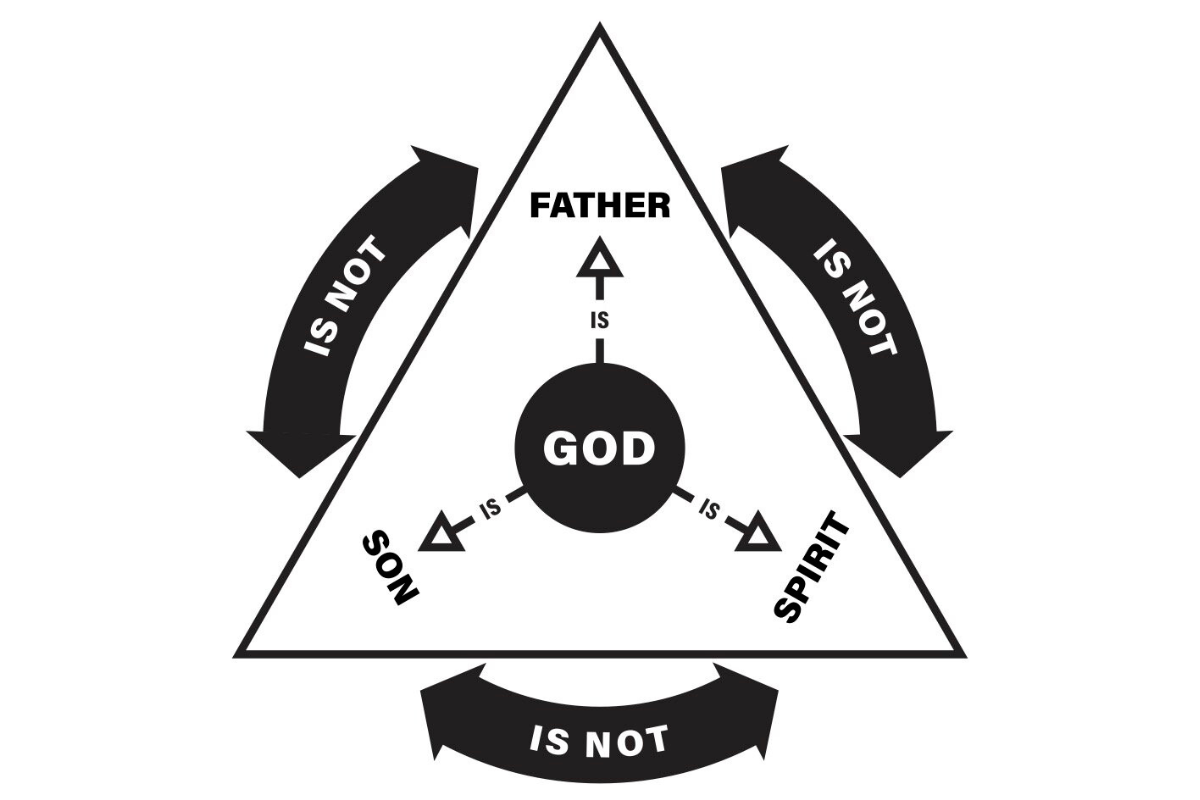 Does Jesus Have the Same Authority as the Father?
The discussion began with John 5:19–23, where Jesus describes His relationship with the Father.
“Then answered Jesus and said unto them, Verily, verily, I say unto you, The Son can do nothing of himself, but what he seeth the Father do: for what things soever he doeth, these also doeth the Son likewise. For the Father loveth the Son, and sheweth him all things that himself doeth: and he will shew him greater works than these, that ye may marvel. For as the Father raiseth up the dead, and quickeneth them; even so the Son quickeneth whom he will. For the Father judgeth no man, but hath committed all judgment unto the Son: That all men should honour the Son, even as they honour the Father. He that honoureth not the Son honoureth not the Father which hath sent him.” – John 5:19–23
Shaykh Uthman argued that Jesus receiving authority from the Father demonstrated that He was subordinate in nature. However, verse 19 makes an extraordinary claim: whatever the Father does, the Son does likewise.
Furthermore, Jesus declares that the Son deserves the same honor as the Father. Why would a mere creature receive the honor belonging to God?
 Is Authority a Necessary Attribute of God?
Shaykh Uthman questioned whether God could ever lack authority. To illustrate the distinction between possessing authority and exercising it, consider an example involving my son.
When I’m play-fighting with him, I might deliberately allow him to overpower me. Does that mean I’ve suddenly become weaker? Of course not. I’m simply choosing to restrain my strength.
Similarly, Jesus voluntarily submitting to the Father doesn’t necessarily mean He lacks divine authority. The Christian doctrine distinguishes between equality of nature and differences in role.
 Are the Father and Son Equal? And Who Is the Word in John Chapter 1?
Shaykh Uthman also appealed to Jesus’ statement in John 14:28.
“Ye have heard how I said unto you, I go away, and come again unto you. If ye loved me, ye would rejoice, because I said, I go unto the Father: for my Father is greater than I.” – John 14:28
But greater rank doesn’t necessarily mean greater nature. An employer possesses authority over an employee, yet both are equally human.
Likewise, a father has authority over his son without possessing a superior human nature.
Christians understand the Father and Son as equal in divine nature while recognizing distinctions in their relationships and roles.
The debate then turned to the identity of the Word.
“In the beginning was the Word, and the Word was with God, and the Word was God.” – John 1:1
Shaykh Uthman argued that the Greek word Logos can refer to God’s message rather than a divine person. However, context determines meaning.
“And the Word was made flesh, and dwelt among us, (and we beheld his glory, the glory as of the only begotten of the Father,) full of grace and truth.” – John 1:14
John identifies the Word as the one who became flesh. That is Jesus Christ. The Gospel also identifies the Word as the creator.
“All things were made by him; and without him was not any thing made that was made.” – John 1:3
If everything created came into existence through the Word, the Word cannot Himself be part of creation.
John further describes Him as the source of life.
“In him was life; and the life was the light of men.” – John 1:4
“He was not that Light, but was sent to bear witness of that Light.” – John 1:8
John the Baptist was not the Light. He came to testify about Him. The passage consistently identifies the Word as personal, divine, and ultimately revealed in Jesus Christ.
 Did Jesus Know the Hour of His Return?
Shaykh Uthman challenged Jesus’ divinity by arguing that nobody has seen God. However, the Old Testament records visible manifestations of God.
“In the year that King Uzziah died I saw also the Lord sitting upon a throne, high and lifted up, and his train filled the temple.” – Isaiah 6:1
Isaiah saw the Lord, yet Scripture also teaches that no man has seen God in His fullness. The distinction concerns experiencing a manifestation of God rather than comprehending His entire divine being.
This helps explain why people could see Jesus without witnessing the unrestricted fullness of His glory.
Another objection concerned Mark 13:32.
“But of that day and that hour knoweth no man, no, not the angels which are in heaven, neither the Son, but the Father.” – Mark 13:32
Shaykh Uthman argued that Jesus’ statement contradicted divine omniscience. The passage though, concerns the Father’s authority to reveal the appointed time.
Although the verse explicitly speaks about knowledge, the debate highlighted the importance of examining the original language, historical setting, and broader context rather than relying upon an isolated expression.
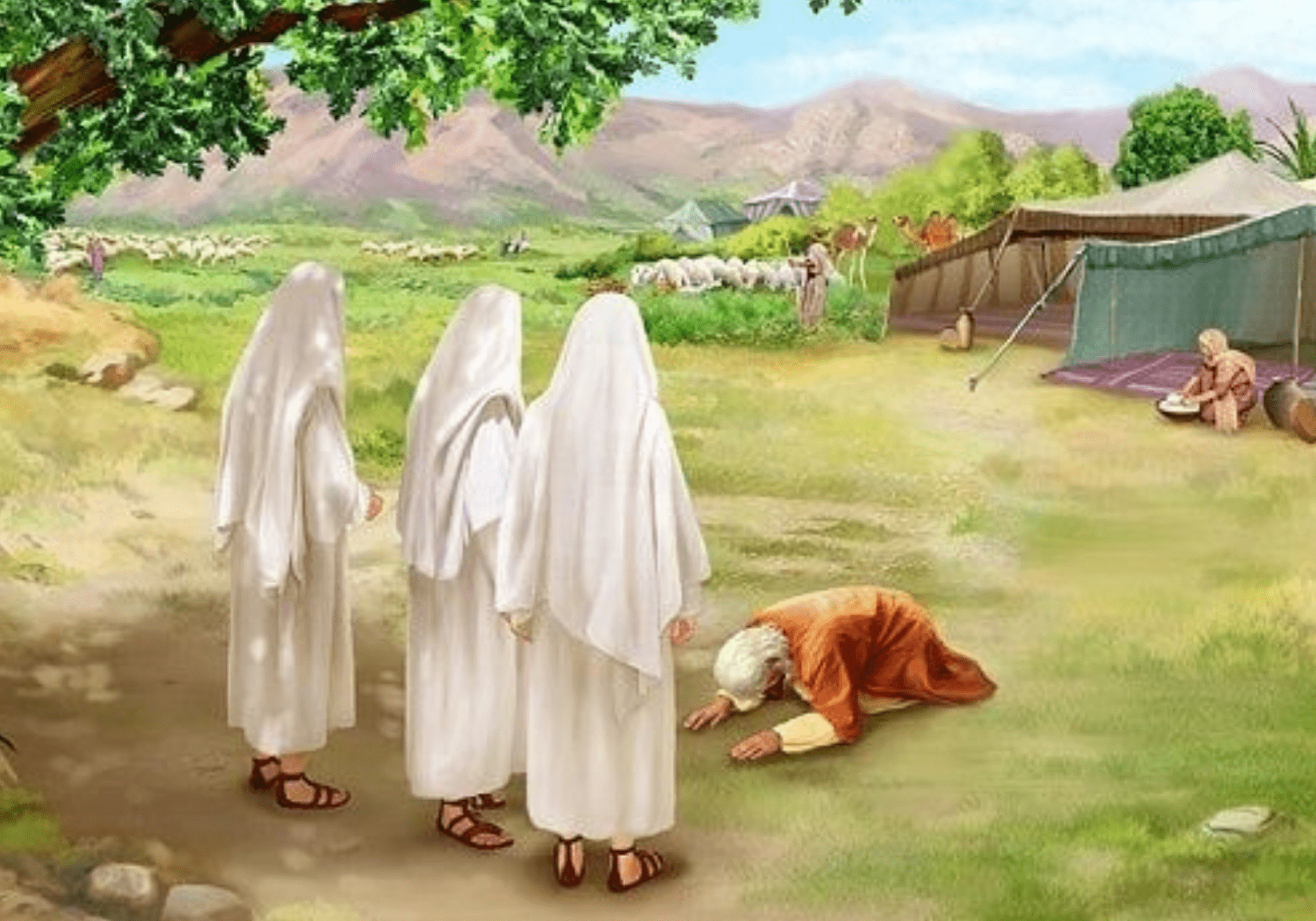 Did God Appear to Abraham?
The discussion eventually reached Genesis 18–19, where the LORD appears to Abraham.
“And the LORD appeared unto him in the plains of Mamre: and he sat in the tent door in the heat of the day; And he lift up his eyes and looked, and, lo, three men stood by him: and when he saw them, he ran to meet them from the tent door and bowed himself toward the ground.” – Genesis 18:1–2
The Christian discussed an Orthodox interpretation associating the visitors with the Trinity. However, I believe the clearer interpretation identifies two angels and the LORD.
The discussion became particularly interesting when Genesis 19:24 was introduced.
“Then the LORD rained upon Sodom and upon Gomorrah brimstone and fire from the LORD out of heaven.” – Genesis 19:24
Why does the passage mention the LORD twice? Both occurrences translate the divine name Yahweh.
Although interpretations differ, the wording deserves careful consideration alongside the preceding account of God’s appearance to Abraham.
 Why Biblical Context Matters
The debate with Shaykh Uthman Ibn Farooq demonstrates why Christians must understand Scripture beyond isolated verses.
Whether discussing Jesus’ authority, His divine nature, or God’s appearances in the Old Testament, the surrounding context is essential.
Years of studying Scripture have taught me that examining entire passages often resolves difficulties that arise when individual words are separated from their context.
For another revealing discussion, read the next article. This related encounter provides another opportunity to examine challenges against Christianity and understand why Biblical context is so important.
WATCH THE VIDEO















Recent Comments