
Uthman Ibn Farooq RUNS UP On A Christian Woman & It Ends Badly For Him!
Shaykh Uthman Ibn Farooq approached a Christian woman and challenged the reliability of the Bible. He quickly focused on a passage that Muslims sometimes use against Christians.
The issue concerned the different ages given for King Ahaziah.
However, the conversation soon moved beyond this textual issue. They discussed whether the Bible contains mistakes and how the Qur’an was preserved. They also examined the different genealogies of Jesus Christ.
 Does the Bible Have a Mistake?
Uthman compared 2 Kings 8:26 with 2 Chronicles 22:2. In the KJV, the first passage says Ahaziah was twenty-two when he began reigning:
“Two and twenty years old was Ahaziah when he began to reign; and he reigned one year in Jerusalem.” — 2 Kings 8:26
Yet the KJV rendering of 2 Chronicles gives a different number:
“Forty and two years old was Ahaziah when he began to reign, and he reigned one year in Jerusalem.” — 2 Chronicles 22:2
That naturally raises the question: was Ahaziah twenty-two or forty-two?
Christians should not pretend that difficult textual questions do not exist. Instead, we should understand the difference between an error in the original text and a scribal variation introduced during transmission.
This is also why Christians should understand their own faith and the beliefs of those who challenge it.
A textual difficulty does not automatically disprove Christianity. We should examine the evidence carefully. Share on XWe should also ask whether the same standard creates problems for the beliefs of the person raising the objection.
 What Islamic Sources Say About the Qur’an
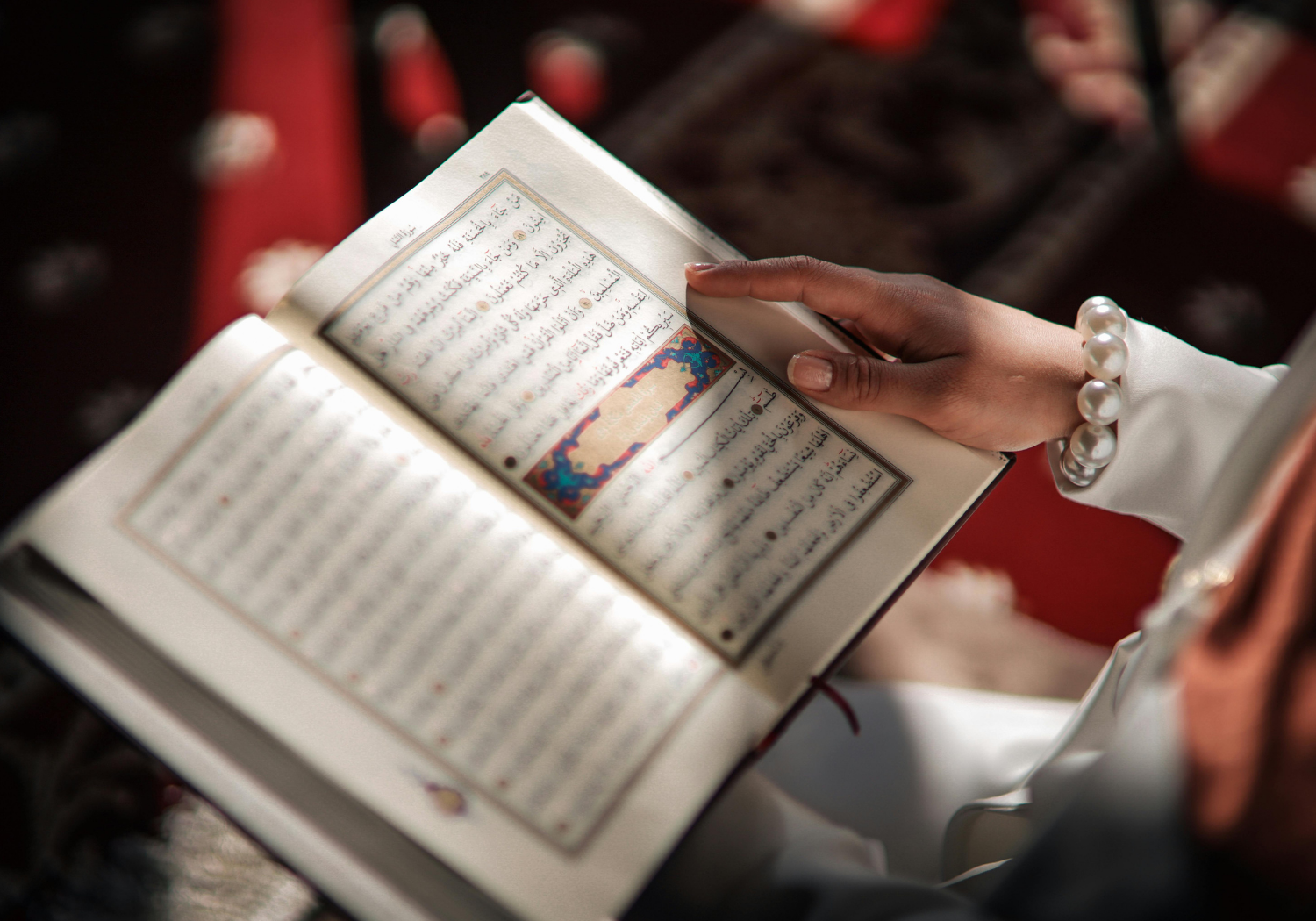
This became important when the discussion turned to the preservation of the Qur’an. Muslims often claim that the Qur’an has been perfectly preserved without textual difficulties.
Jami‘ at-Tirmidhi 3104 describes the production of standardized Qur’anic manuscripts under Uthman Ibn Affan. According to the narration, Zayd ibn Thabit searched for a verse from Surah al-Ahzab. He eventually found it with Khuzaimah ibn Thabit (or Abu Khuzaimah).
The report also mentions a disagreement over how a particular word should be written. Uthman settled the matter by instructing them to write it according to the Quraysh dialect.
The same narration records another important disagreement. Abdullah ibn Mas‘ud objected to Zayd ibn Thabit being responsible for copying the manuscripts. He also instructed the people of Iraq to retain and conceal the manuscripts they possessed.
Ibn Mas‘ud was an important figure in early Islam. Sahih al-Bukhari 3758 and Sahih Muslim 2464e report that Muhammad named four men from whom people should learn the Qur’an. They were Abdullah ibn Mas‘ud, Salim, Ubayy ibn Ka‘b and Mu‘adh ibn Jabal.
Therefore, Ibn Mas‘ud’s reaction during the standardization process deserves serious examination. Christians should be careful when they hear simple comparisons between the Bible and the Qur’an. The history of Qur’anic transmission also contains issues that deserve careful study. Matthew and Luke’s Genealogies
Shaykh Uthman then moved to another familiar objection: the genealogies of Jesus.
Matthew says:
“And Jacob begat Joseph the husband of Mary, of whom was born Jesus, who is called Christ.” — Matthew 1:16
Luke records:
“And Jesus himself began to be about thirty years of age, being (as was supposed) the son of Joseph, which was the son of Heli.” — Luke 3:23
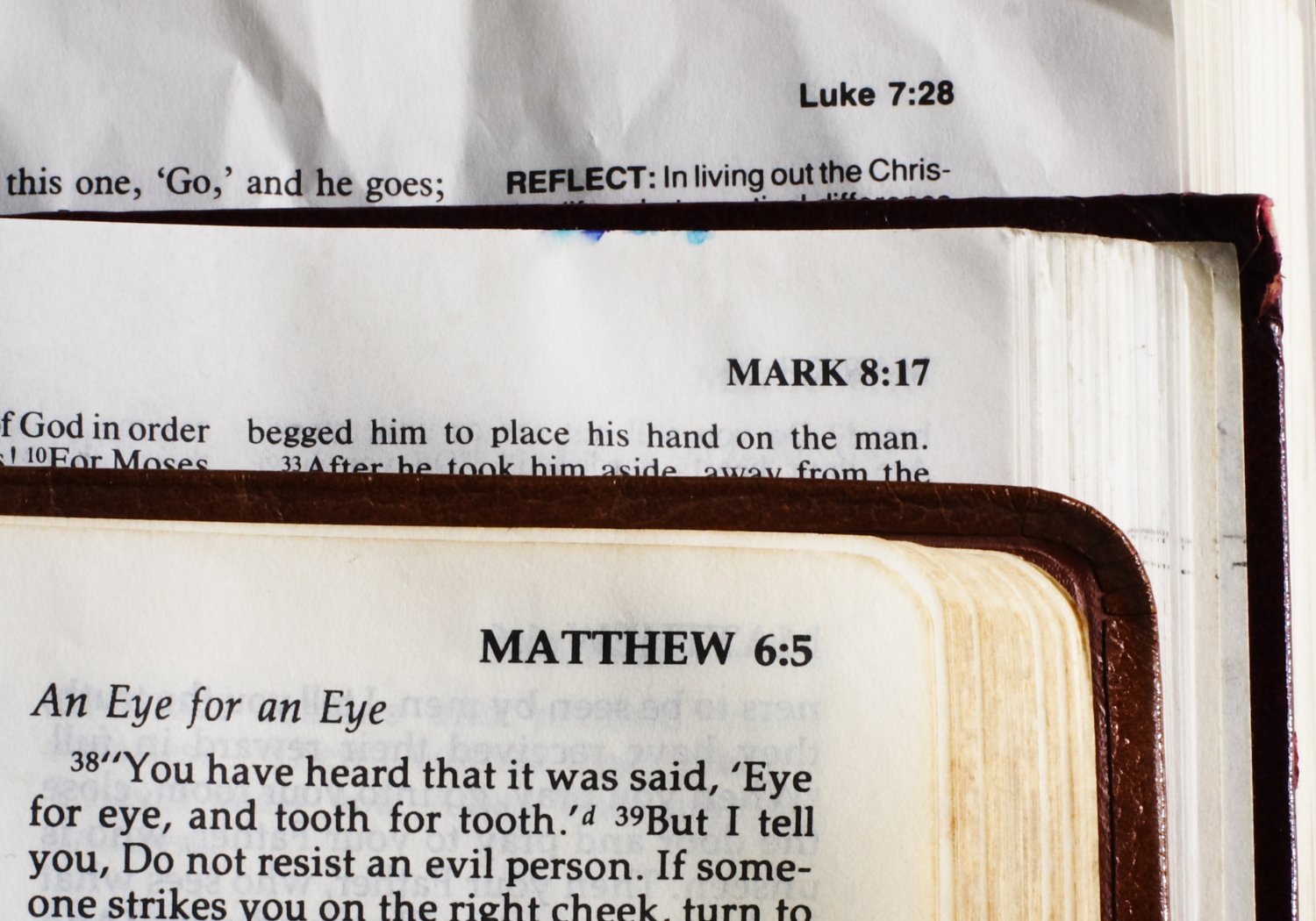
The objection is straightforward: Matthew connects Joseph with Jacob, while Luke connects Joseph with Heli.
One Christian interpretation is that Matthew records Joseph’s line while Luke records Mary’s ancestry, with Joseph appearing as Heli’s son through marriage.
When a man marries, he gains another father and mother through his wife. We technically call them a father-in-law and mother-in-law, but within a close family relationship we might simply call them “Dad” and “Mum.”
 Do Matthew and Luke Contradict Each Other?
Another important point is that both genealogies still accomplish something Shaykh Uthman’s objection was supposed to undermine: they connect Jesus to David. Matthew traces the line through David’s son Solomon, while Luke traces it through another son, Nathan.
The names differ because the genealogical paths differ, but both paths return to David. Therefore, simply pointing out that Matthew mentions Solomon while Luke mentions Nathan does not prove that Jesus lacks Davidic ancestry.
In fact, during the discussion, once it became clear that Solomon and Nathan were two different sons of David, the supposed problem did not remove David from either genealogy.
The real question is how the two genealogies should be understood, not whether either one connects Jesus to David.
 Christians Need to Know Their Bibles
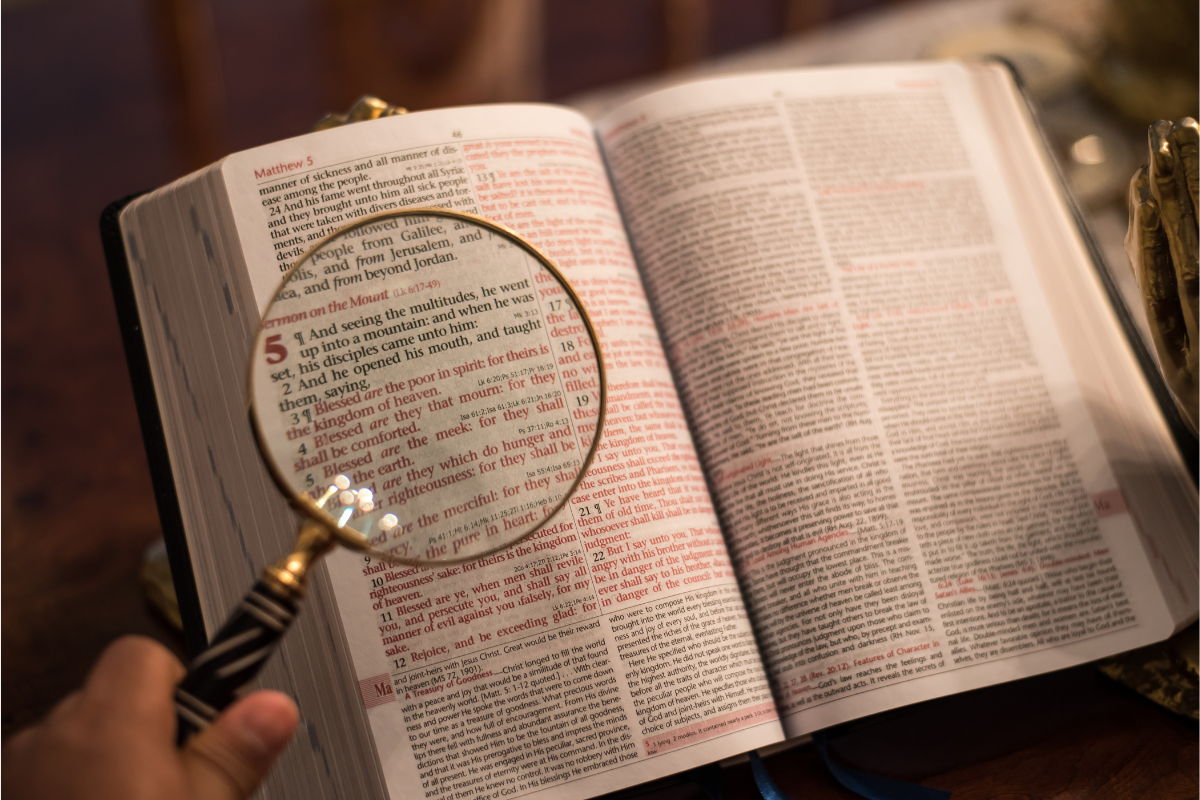
One of the biggest lessons from this encounter is that Christians should not panic when someone produces a difficult passage.
You do not need to pretend you immediately know every answer. The Christian woman repeatedly admitted when she did not know something, and there is nothing wrong with investigating a question before responding.
“Study to shew thyself approved unto God, a workman that needeth not to be ashamed, rightly dividing the word of truth.” — 2 Timothy 2:15
Knowing Scripture allows us to recognize when an objection genuinely deserves investigation and when someone is presenting only part of the picture.
Christians should study the Bible deeply, understand the manuscript questions critics raise, and also examine the primary sources behind competing religious claims.
Difficult questions should drive us toward deeper study rather than away from it. Share on XFor another encounter involving Shaykh Uthman Ibn Farooq and a Christian discussing Islam and Christianity, read the next article.
It continues this important discussion and shows why Christians need to understand not only what they believe, but also how to respond when their faith is publicly challenged.
WATCH THE VIDEO















Recent Comments