
How Do We Know Mary Is From The Line Of David?
One of the most common questions people wrestle with is this: If Jesus was born of a virgin, how can He truly come from the line of David?
That question isn’t just interesting; it’s critical. Because Scripture clearly teaches that the Messiah must come from David’s lineage. If that requirement isn’t met, the entire claim falls apart.
But when you carefully examine the Gospel accounts, especially the Gospel of Luke, you begin to see a powerful, layered case emerge.
Each piece builds on the next, leading to one clear conclusion: Mary herself must be from the line of David.
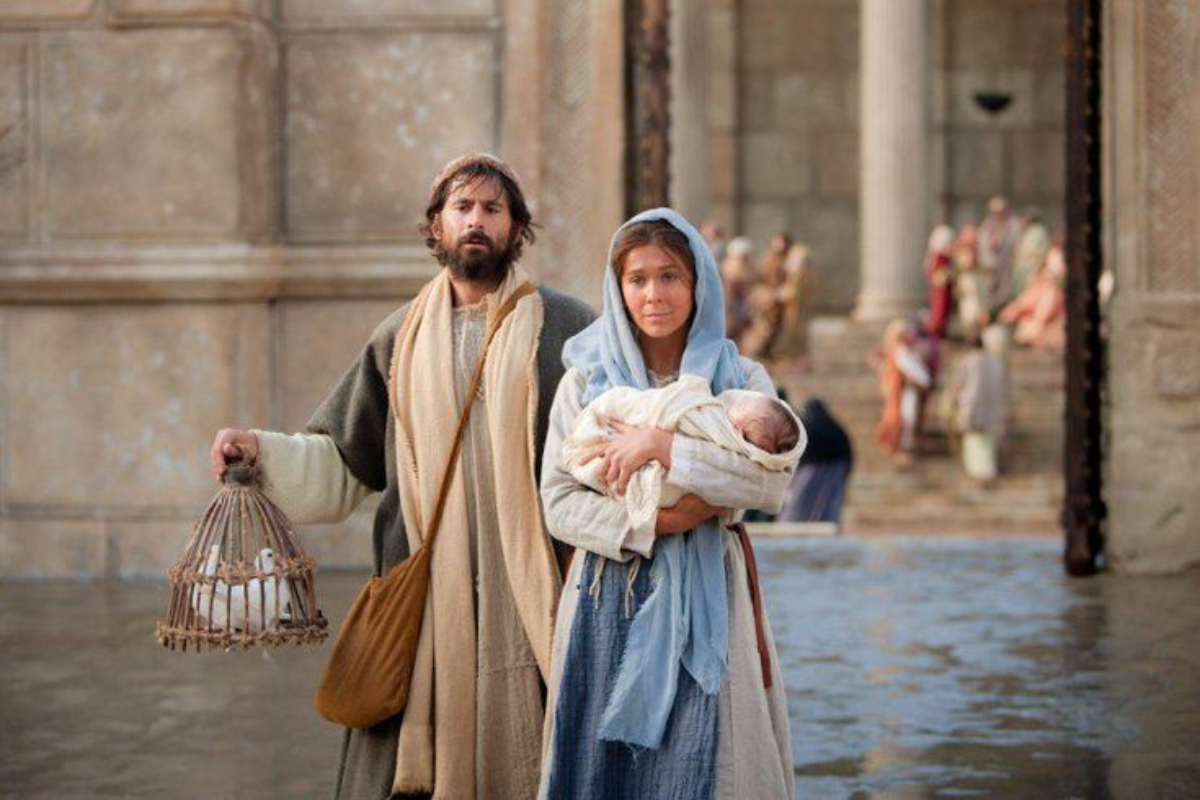 The Foundation: A Subtle Clue in Luke 1:27
Before anything else, we have to start with the virgin birth. Both the Gospel of Matthew and the Gospel of Luke independently affirm that Jesus was not biologically fathered by Joseph.
That matters more than people realize.
If Joseph is not the biological father, then Jesus’ Davidic lineage cannot come through him biologically. That forces us to look elsewhere, and the only other option is Mary.
At first glance, this verse seems straightforward. It introduces Mary as a virgin betrothed to Joseph, who is said to be of the house of David.
“To a virgin espoused to a man whose name was Joseph, of the house of David; and the virgin’s name was Mary.” — Luke 1:27
But there’s something interesting here.
The grammatical structure allows for more than one interpretation. Many assume “of the house of David” refers only to Joseph, but the way the sentence is framed also allows it to connect to Mary.
It’s not the strongest proof, but it’s a hint. And when you combine it with everything else, that hint becomes meaningful.
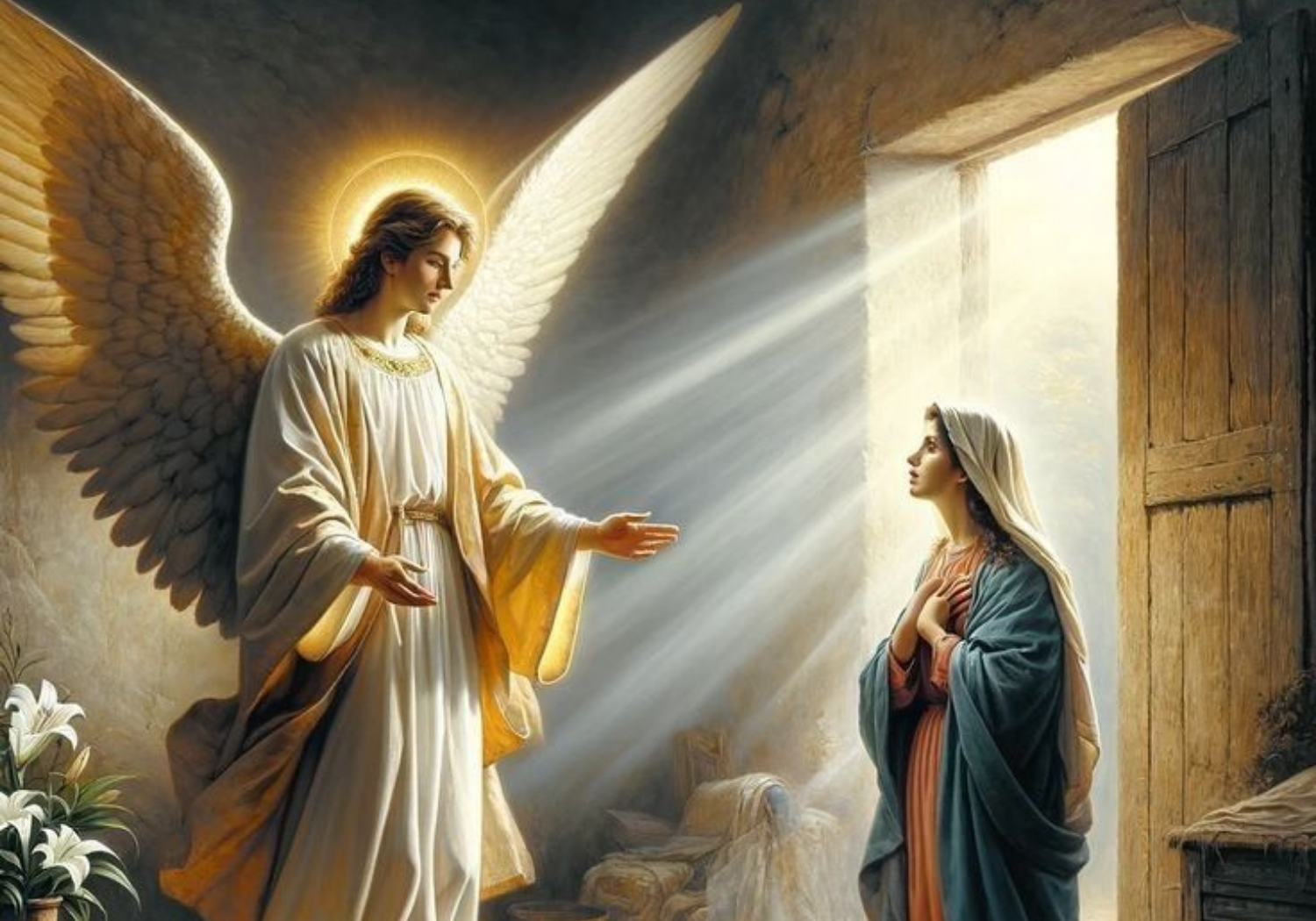 The Angel Gabriel’s Statement (Luke 1:32)
This is where things become much clearer.
The angel Gabriel directly tells Mary that her son will inherit David’s throne. That’s not symbolic language; it’s a direct fulfillment of prophecy.
“He shall be great, and shall be called the Son of the Highest: and the Lord God shall give unto him the throne of his father David.” — Luke 1:32
Now think about that. Mary is being told she will conceive through a miracle. No human father is involved. Yet her child will inherit David’s throne.
The implication is unavoidable: the Davidic connection must come through Mary.
 Prophecy Confirmed Through the Holy Spirit (Luke 1:67–69)
The same truth is reinforced again, this time through prophecy.
After the birth of John the Baptist, his father Zechariah speaks under the inspiration of the Holy Spirit.
“Blessed be the Lord God of Israel; for he hath visited and redeemed his people, And hath raised up an horn of salvation for us in the house of his servant David.” — Luke 1:68–69
This isn’t speculation, it’s Spirit-led confirmation.
God is raising up salvation from David’s house. But again, if Joseph is not the biological father, then this lineage must come through Mary.
 “As Was Supposed”: Luke 3:23
When we reach the genealogy in Luke, another key phrase appears.
“And Jesus himself began to be about thirty years of age, being (as was supposed) the son of Joseph…” — Luke 3:23
That phrase—“as was supposed”—is doing a lot of work.
People assumed Joseph was His father. But Luke has already made it clear that this is not the case. This subtle clarification reinforces the virgin birth and redirects us back to Mary as the true biological line.
 The Genealogy That Traces Back to David (Luke 3:31, 38)
Luke’s genealogy is unique.
Instead of following the royal line through Solomon (like Matthew does), Luke traces a different path, through another son of David, Nathan, eventually going all the way back to Adam.
“…Which was the son of Nathan, which was the son of David.” — Luke 3:31
“…Which was the son of Adam, which was the son of God.” — Luke 3:38
This broader, biological tracing strongly suggests that this genealogy reflects Mary’s line rather than Joseph’s.
It connects Jesus not only to David but also to all humanity.
 Why This Matters More Than People Think
When you put all these pieces together—the virgin birth, the angel’s words, prophetic confirmation, and the genealogy, you don’t just get a theory.
You get a consistent, unified message:
Jesus is from the line of David, and that lineage comes through Mary.
Scripture does not state this truth in one isolated verse. Instead, it builds the case step by step and strengthens the conclusion for those who read carefully and think deeply.
Many objections come from reading individual verses in isolation. But when you let Scripture interpret Scripture, the picture becomes clear.
Mary being from the line of David isn’t a stretch; it’s the most natural conclusion once you follow the logic of the text.
And if you want to go even deeper into how the Gospels consistently affirm foundational truths like this, I highly recommend reading this article.
This is what happens when you read the Bible carefully. The deeper you go, the stronger the truth stands.
WATCH THE VIDEO















Recent Comments