
Muslim Tries To PICK ON Elderly Christian & I EXPOSED Him!
At Speaker’s Corner, Muslim preacher Hamza entered into a lengthy discussion with an elderly Christian woman about one central question: Can Christians trust the Bible?
The conversation moved from John 8:58 to Gospel authorship, manuscript differences, William Tyndale, Acts 8:37, and finally the Great Commission in Matthew 28:19.
What began as a challenge to one woman’s faith quickly became a much bigger discussion about how Christians should understand the transmission and reliability of Scripture.
 Why Should Christians Believe the Bible?
Hamza repeatedly asked the woman why she believed the Bible was true. Although she did not always explain her answers perfectly, she raised an important point. The New Testament regularly connects to the Old Testament through prophecy, quotations, themes, and fulfillment.
Christians do not need every Biblical book to declare, “This book is inspired,” before accepting it as Scripture. For example, the book of Esther does not even mention God by name.
Yet Christians and Jews have historically accepted Esther as Scripture. Therefore, we should not judge a writer’s inspiration solely by whether he explicitly claims it.
The conversation began around one of Jesus’ most important statements:
“Jesus said unto them, Verily, verily, I say unto you, Before Abraham was, I am.” – John 8:58
Later in the discussion, attention returned to this passage and the reaction of the Jewish audience who wanted to stone Jesus immediately afterward.
The question was not simply what Jesus said, but whether the Gospel recording His words could be trusted.
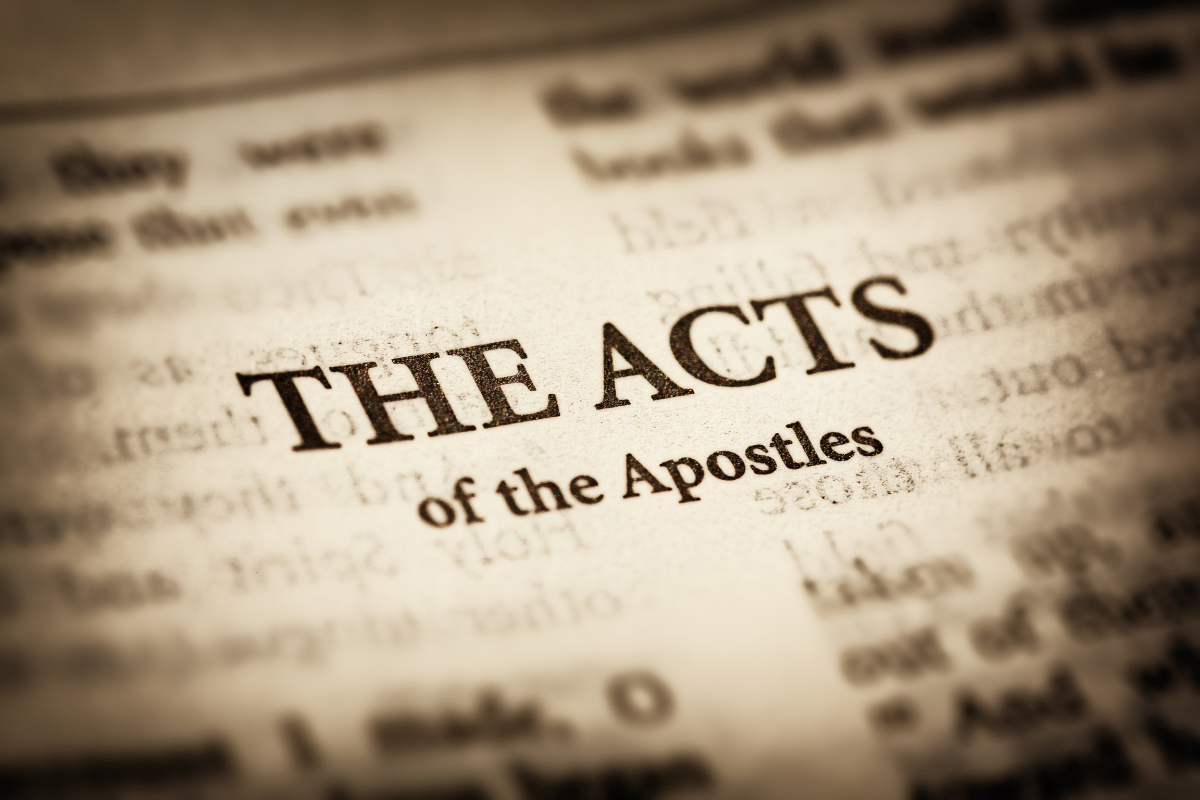 What About Acts 8:37?
Hamza then asked the woman to read Acts 8:37 from the NIV, knowing that modern translations commonly place the verse in a footnote rather than the main text.
The woman noticed the textual note and explained that translators had considered whether the verse belonged to the original text. The KJV reads:
“And Philip said, If thou believest with all thine heart, thou mayest. And he answered and said, I believe that Jesus Christ is the Son of God.” – Acts 8:37
This does not mean Christians are secretly removing verses from the Bible. The manuscript question surrounding Acts 8:37 is openly documented. Modern translations often tell readers directly in their footnotes that some manuscripts contain the verse.
That transparency matters. Christians can examine the manuscript evidence, study which witnesses contain a reading, investigate its historical use, and reach conclusions rather than pretending textual variants do not exist.
 William Tyndale and Her Journey Back to Christ
One of the most important personal moments came when the elderly woman explained her own journey. She had been brought up Catholic but later questioned what she had been taught.
Her interest in Biblical translation eventually took her to an exhibition at Cambridge marking the 400th anniversary of the King James Bible.
She spoke warmly about William Tyndale, whose work helped make the Scriptures available in English. She explained that learning about Tyndale and his determination to translate Scripture was one of the things that moved her back toward Christ.
Tyndale’s New Testament appeared in 1526, and the discussion noted his use of Erasmus’ Greek New Testament along with Hebrew sources in his translation work.
For this woman, therefore, textual history was not merely an academic debate. Studying how the Bible had been preserved, translated, and made available to ordinary people played a role in bringing her back to the Christian faith.
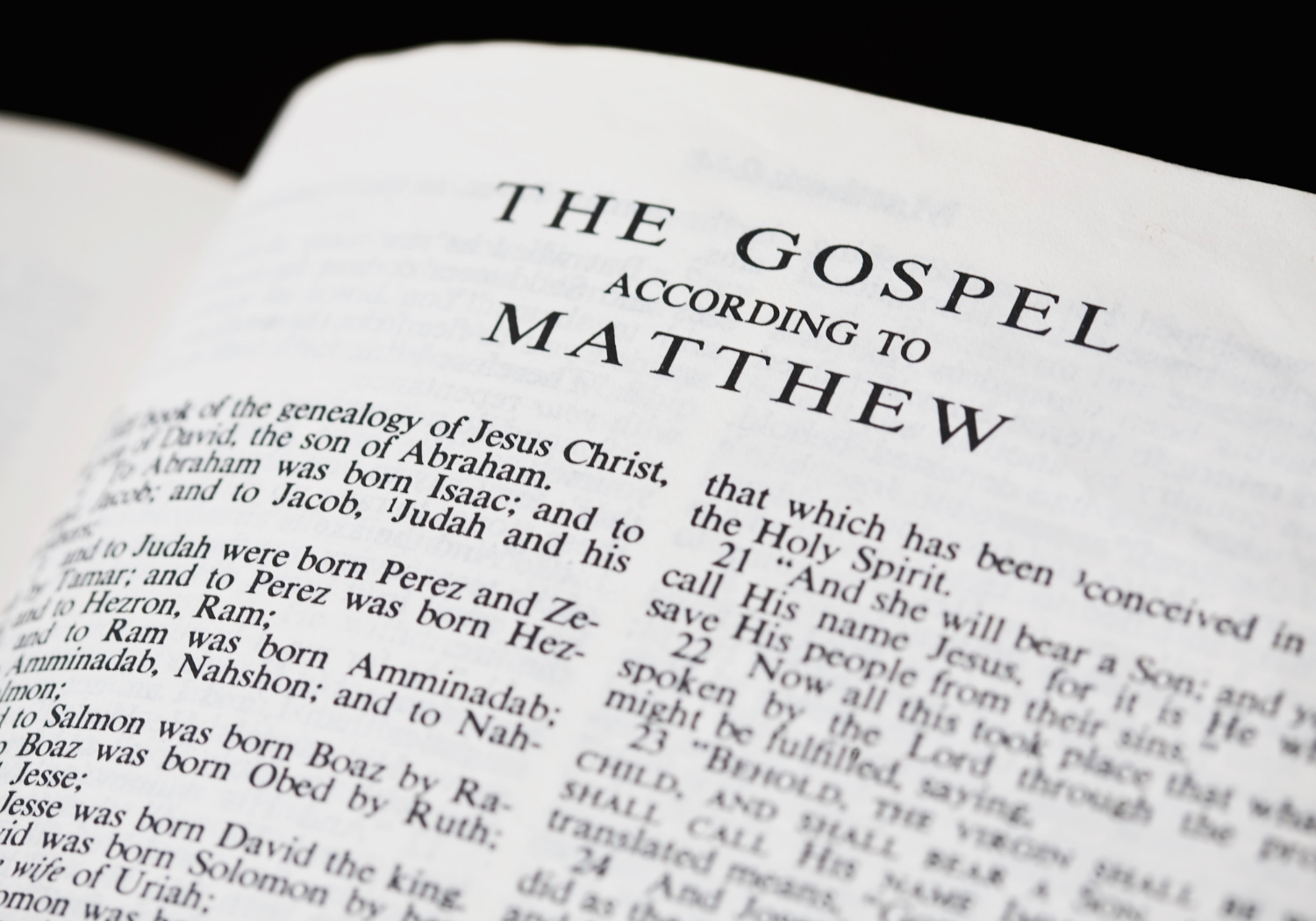 Does Matthew 28:19 Contradict Acts?
The conversation eventually moved to another argument. Jesus commanded His disciples:
“Go ye therefore, and teach all nations, baptizing them in the name of the Father, and of the Son, and of the Holy Ghost.” – Matthew 28:19
Hamza argued that Acts repeatedly describes people being baptized in the name of Jesus rather than explicitly recording the words “Father, Son, and Holy Ghost.” He therefore questioned whether the apostles followed Jesus’ command.
But that assumes Acts is giving readers the exact spoken baptismal formula every time baptism occurs.
Being baptized “in the name of Jesus Christ” can identify the authority and allegiance under which someone was being baptized rather than necessarily recording every word spoken during the baptism.
The accounts in Acts do not say that the baptizer literally pronounced only the words “in the name of Jesus” before putting someone into the water.
Matthew 28:19 and Acts, therefore, need not be competing baptismal formulas. Matthew records Christ’s command, while Acts emphasizes identification with Jesus as the promised Messiah and Lord.
 Can We Trust the Scriptures?
Christians should not be frightened by questions concerning manuscripts, translations, textual variants, or Gospel authorship. These questions deserve study.
The elderly Christian woman did not have every answer immediately available, and at several points she openly admitted when she did not know something.
Yet one of her strongest observations remained consistent throughout the conversation: the New Testament does not exist in isolation. It repeatedly reaches backward into the Old Testament and presents Jesus within the unfolding Biblical story of promise and fulfillment.
Textual variants do not automatically prove that scholars have lost the Biblical message. Instead, scholars can compare the manuscript evidence and investigate the differences.
As Christians, we should be willing to examine those questions rather than fear them.
And there is another important question behind this entire discussion: Did the New Testament writers themselves understand that they were producing Scripture?
For a deeper look at that issue, read the next article.
It takes the discussion one step further by examining what the New Testament itself reveals about apostolic authority and Scripture.
WATCH THE VIDEO














Recent Comments