
Muslim RUNS UP On ELDERLY Christian & Gets STEAMROLLED!
A Muslim and an elderly Christian quickly began debating the authority of Scripture. The Muslim repeatedly challenged the Christian by asking one question: Which Bible should Christians follow?
He pointed to the Protestant, Catholic, Orthodox, and Ethiopian traditions, arguing that their differences create a problem for Christians.
However, the Christian response raised an even bigger question for Islam: Which Scriptures did Jews and Christians possess when the Quran appeared?
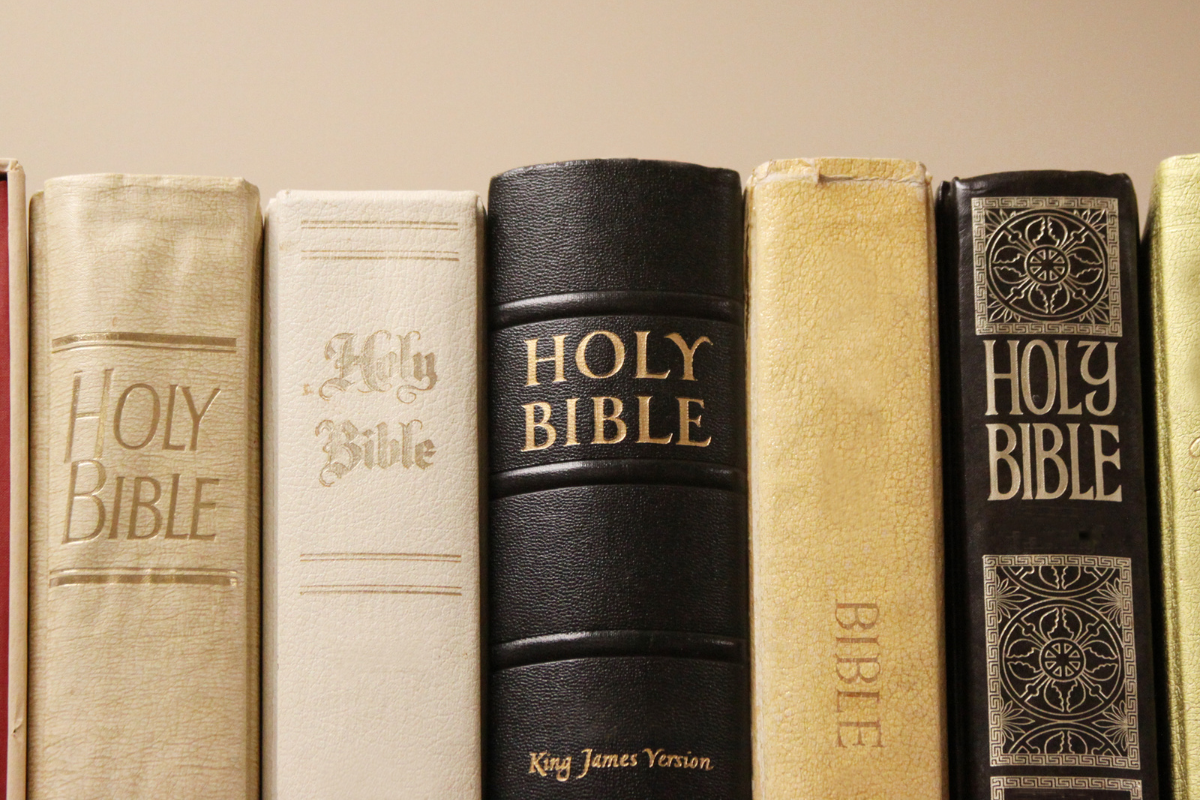 Which Bible Should We Follow?
One mistake in the discussion was confusing the King James Version with a separate Biblical canon. The KJV is an English translation, not a new Bible created by King James.
There are differences between Christian traditions concerning certain Old Testament books. However, Protestants, Catholics, and Eastern Orthodox Christians recognize the same 27 books of the New Testament.
That matters because those New Testament books clearly teach doctrines about Jesus that Islam rejects. The question therefore cannot simply be, “Which Bible?” We need to examine what the Biblical writings actually say.
“All Scripture is given by inspiration of God, and is profitable for doctrine, for reproof, for correction, for instruction in righteousness:” – 2 Timothy 3:16
Jesus Himself declared:
“…the Scripture cannot be broken;” – John 10:35
The Muslim can choose to discuss the Protestant, Catholic, or Orthodox canon, but the central problem remains: the Scriptures Christians possessed before Islam present Jesus very differently from the Quran.
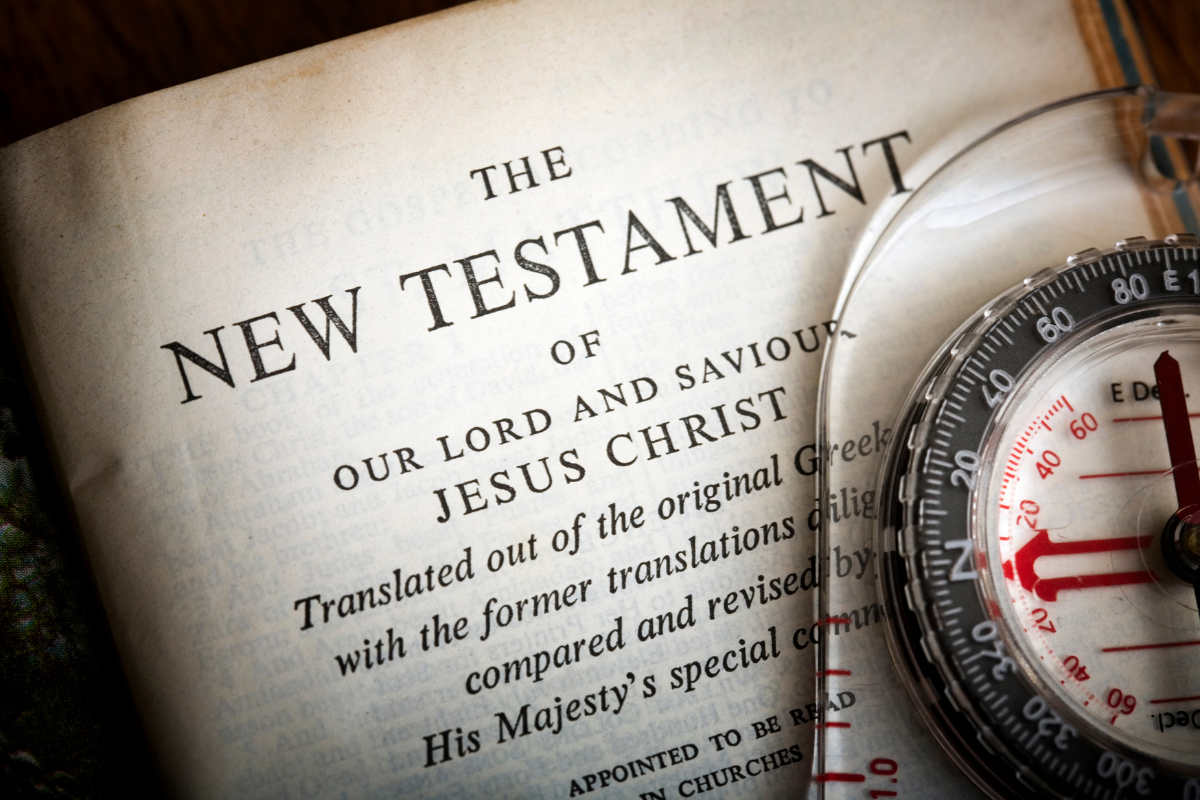 The New Testament Creates a Bigger Problem
When the conversation moved specifically to the New Testament, the “Which Bible?” objection became even harder to maintain.
The New Testament shared across the major Christian traditions contains statements such as:
“In the beginning was the Word, and the Word was with God, and the Word was God.” – John 1:1
Thomas also addressed the risen Christ:
“And Thomas answered and said unto him, My Lord and my God.” – John 20:28
These teachings existed centuries before Islam. Therefore, disagreements about the boundaries of the Old Testament canon do not remove the fundamental theological conflict between Christianity and Islam.
 Who Inspired the Quran?
The debate then changed direction when the Muslim asked the Christian who he believed inspired Muhammad.
The Christian responded that he believed Satan had deceived Muhammad. That was the Christian participant’s theological position, and it immediately produced another question:
If Satan deceived Muhammad, why would the Quran direct Muhammad toward people who possessed earlier Scripture?
The response was that Satan referring to genuine Scripture would not prove that his overall message came from God.
The Bible actually records Satan quoting Scripture while tempting Jesus.
“…for it is written, He shall give his angels charge concerning thee…” – Matthew 4:6
Satan quoted God’s Word, but he did so while tempting Christ. The issue, therefore, is not whether someone can quote or reference something true. The question is what they do with that truth.
Scripture even warns:
“And no marvel; for Satan himself is transformed into an angel of light.” – 2 Corinthians 11:14
The Christian argument in the discussion was that deception can contain elements of truth while ultimately directing someone toward error.
 What About Quran 10:94?
Eventually, the discussion reached the passage behind much of the argument: Quran 10:94.
The verse addresses Muhammad directly, telling him that if he doubted what he had received, he should ask those who had read the Scriptures before him.
This is more precise than saying, “The Quran tells Muslims to follow the Bible.”
However, it raises an important question. If people who had been reading previous Scripture could function as a reference point, what Scripture did those people possess?
That is where the historical issue becomes significant. Muhammad appeared centuries after Christianity began. Christians and Jews already possessed scriptural traditions long before Islam.
This made a simple argument: if the Quran directed Muhammad toward people who knew the previous revelations, Christians should examine what those people actually read rather than assume they possessed an unidentified Bible that no longer exists.
 Test Everything Against Scripture
The debate provides an important apologetics lesson. When someone asks, “Which Bible?” don’t rush past the question. Define exactly what is being discussed.
Are we talking about translations? The Old Testament canon? The New Testament? Manuscripts? Those are separate issues.
Then examine the evidence.
Christians should test religious claims against God's Word rather than being intimidated by confidently presented objections. Share on X“Beloved, believe not every spirit, but try the spirits whether they are of God: because many false prophets are gone out into the world.” – 1 John 4:1
The conversation ultimately returned to the same issue with which it began: What Scriptures existed before and during the emergence of Islam, and what did they teach?
The Christian argument was that appealing to different Biblical canons does not remove the much deeper conflict between the New Testament and Islamic teaching.
For another fascinating exchange examining challenges to the Christian faith, read the next article.
It continues this discussion through another real-world encounter and provides further examples of how Christians can examine Islamic objections carefully while remaining grounded in Scripture.
WATCH THE VIDEO














Recent Comments