
Exodus 33:20 Explained!
Exodus 33 contains one of the most well-known statements about seeing God. Moses asks to see God’s glory, but God responds by telling him that no man can see His face and live.
Some people have used this passage to challenge the Christian belief that Jesus is God. If people could see Jesus and live, how could Jesus be God, when Exodus appears to say that seeing God results in death?
The answer becomes clearer when we read the passage in context and compare it with what Exodus has already revealed about people seeing God.
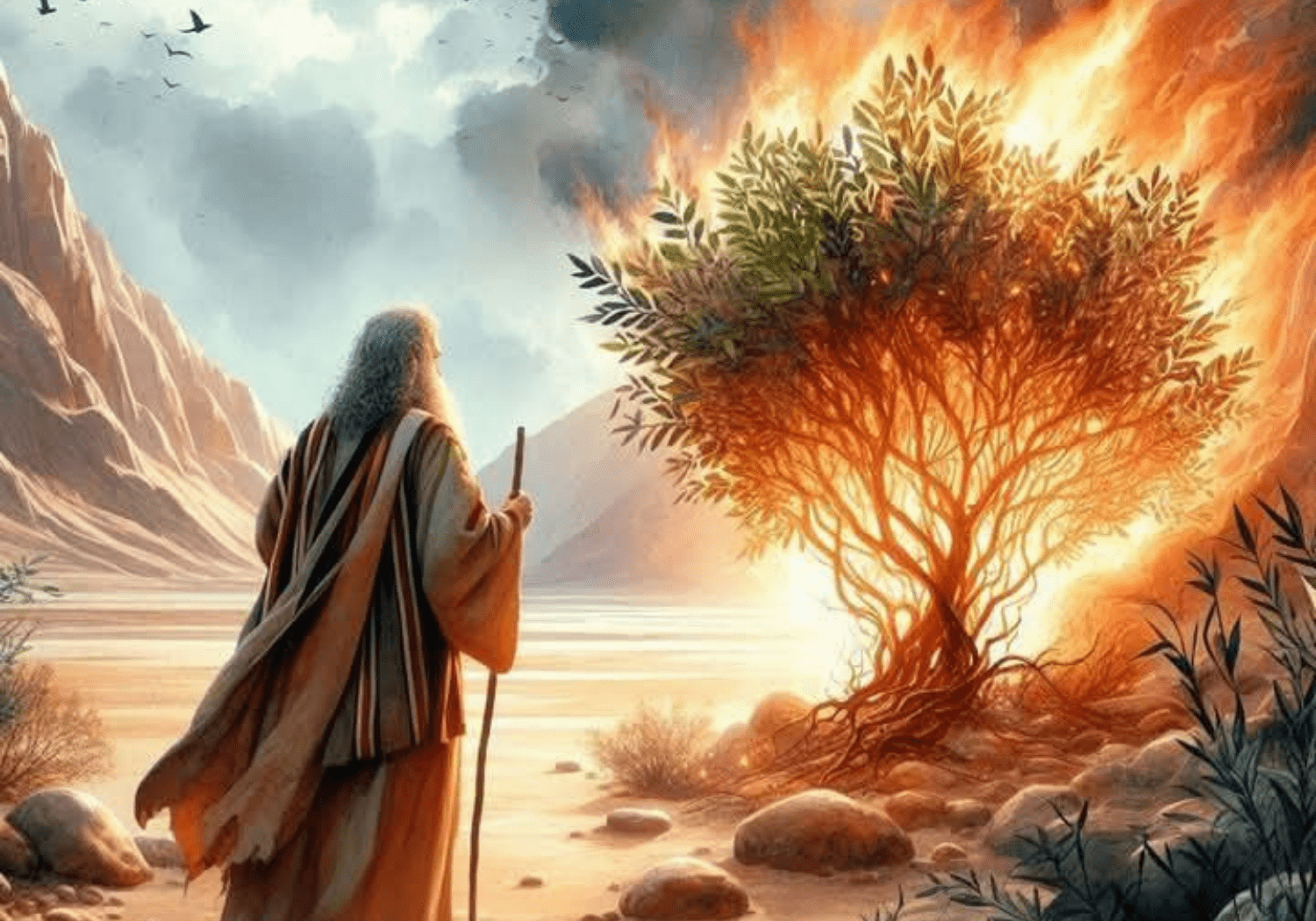 Moses Asks to See God’s Glory
The events of Exodus 33 take place after Israel fell into idolatry with the golden calf. God’s judgment was against the people, but Moses interceded for Israel. Moses stood in the gap on their behalf, providing a powerful picture that points forward to Christ and His work as The mediator.
After this, Moses made an incredible request.
“And he said, I beseech thee, shew me thy glory.” — Exodus 33:18
That request is crucial for understanding everything that follows. Moses was specifically asking to behold God’s glory.
God responded by promising that His goodness would pass before Moses and that He would proclaim the name of the LORD. Then came the famous statement:
“And he said, Thou canst not see my face: for there shall no man see me, and live.” — Exodus 33:20
God was not saying that He could never reveal Himself visibly in any way. The context concerns Moses’ request to see His glory. Moses could not experience the unrestricted manifestation of God’s glorious presence and survive.
 Moses Was Still Allowed to See God
The following verses make the distinction even clearer. God placed Moses in the clift of the rock and covered him while His glory passed by. Afterward, God allowed Moses to see what Scripture describes as His “back parts.”
“And I will take away mine hand, and thou shalt see my back parts: but my face shall not be seen.” — Exodus 33:23
This is extremely important.
Exodus 33:20 says Moses could not see God’s face, yet only three verses later God tells Moses that he will see His back parts.
Therefore, the passage itself distinguishes between different ways of seeing God. Moses could not behold God in the fullness of the glory he requested, but God could reveal Himself to Moses in a limited or veiled manner.
There is a way in which Moses could see God and live, and another way in which seeing God would result in death.
 Let Scripture Shape Our Understanding: They Saw the God of Israel
This is why we should be careful not to approach Scripture with a conclusion already decided, and then force the passage to fit it.
We should not begin by saying that God must be incapable of appearing visibly and then reinterpret every passage accordingly. Neither should we force Exodus 33 to say something merely because it supports what we already believe.
The Bible should shape our theology rather than our theology reshaping the Bible. Share on XWhen Exodus 33 is read naturally, Moses asks to see God’s glory. God agrees to reveal His goodness but protects Moses from seeing His face. Moses then receives a partial revelation and sees His “back parts.”
Exodus itself therefore shows that seeing God is possible in one sense while impossible in another. This becomes even more significant when we go backwards to Exodus 24.
Before the events of Exodus 33, Moses had already experienced something remarkable alongside Aaron, Nadab, Abihu and seventy elders of Israel.
“Then went up Moses, and Aaron, Nadab, and Abihu, and seventy of the elders of Israel: And they saw the God of Israel.” — Exodus 24:9–10
The text plainly says that they saw the God of Israel. It even describes what appeared beneath His feet.
“And there was under his feet as it were a paved work of a sapphire stone, and as it were the body of heaven in his clearness.” — Exodus 24:10
This was not simply Moses. More than seventy people were involved in this extraordinary encounter. Yet something else happened that is especially important when comparing this passage with Exodus 33.
“And upon the nobles of the children of Israel he laid not his hand: also they saw God, and did eat and drink.” — Exodus 24:11
They saw God, and they did not die.
 Exodus 24 Helps Explain Exodus 33: The Mount of Transfiguration Gives Us a Glimpse
By the time someone reaches Exodus 33, they have already read Exodus 24. The same book that records God saying that no man can see His face and live has already told us that Moses and the elders “saw the God of Israel.”
These passages do not need to contradict one another.
Instead, Exodus 24 helps establish the distinction that becomes clearer in Exodus 33. God can manifest Himself in a way that human beings can perceive without exposing them to the fullness of His divine glory.
This does not mean that God is physical by nature. God is Spirit and invisible by nature. However, being invisible by nature does not mean that God is incapable of revealing Himself in a visible manifestation.
This distinction also helps us understand Jesus.
During His earthly ministry, the disciples saw Jesus regularly. They walked with Him, ate with Him and listened to Him teach. Yet there was a remarkable moment when Peter, James and John saw something more.
At the Mount of Transfiguration, Jesus’ appearance dramatically changed before them.
“And was transfigured before them: and his face did shine as the sun, and his raiment was white as the light.” — Matthew 17:2
The disciples received a glimpse of Christ’s glory.
Jesus did not walk around displaying this manifestation to everyone throughout His ministry. The Transfiguration was a particular moment in which the disciples were allowed to see something beyond His ordinary appearance.
In a similar way, Exodus demonstrates that God can reveal Himself while determining how much of His glory human beings are permitted to behold.
 There Is No Contradiction
Exodus 33:20 does not teach that God can never be seen under any circumstances. The surrounding verses prevent us from interpreting it that way.
Moses could not see God’s face in the glorious manifestation he requested and live. Yet Moses was permitted to see God’s “back parts.” Earlier, Moses, Aaron, Nadab, Abihu and seventy elders had already “saw the God of Israel” without being destroyed.
The distinction is between God revealing Himself in a way human beings can endure and beholding the unrestricted fullness of His divine glory.
Once we recognize that distinction, Exodus 24, Exodus 33 and the New Testament revelation of Christ fit together without contradiction. God’s glory is greater than mortal humanity can endure in its fullness, yet God can graciously reveal Himself in ways that human beings can see and experience.
Another alleged Biblical contradiction worth examining concerns God and child sacrifice. Read the next article to see how examining the wider Biblical context helps clarify passages that can initially appear difficult or contradictory.
WATCH THE VIDEO















Recent Comments