
Muslim Debates “CRAZY” Christian Preacher, Gets DESTROYED & RUNS AWAY!
One of the biggest mistakes people make in religious discussions is assuming that every Biblical argument has to fit into a narrow set of talking points. In a recent exchange with the Muslim Lantern, something very different happened.
Rather than hearing the same familiar verses debated back and forth, he encountered a Christian who approached Scripture through its larger Biblical themes and symbolism.
Whether you agree with every connection the Christian speaker made or not, one thing became obvious throughout the conversation: instead of engaging with the argument itself, the Muslim Lantern repeatedly dismissed it without addressing its substance.
This debate reminds us that Christians should not be intimidated when someone demands simplistic answers to profound Biblical truths. The Bible is a unified revelation, that points consistently to Jesus Christ from Genesis to Revelation.
 When the Goalposts Keep Moving
The discussion began with tension before the theological conversation even started. Although the Muslim Lantern initially claimed he wanted a reasonable discussion, he repeatedly resisted a structured conversation where each participant could speak in turn.
Ironically, when the other speaker suggested giving each person uninterrupted time to explain their position, that proposal was rejected. Throughout the exchange, the conversation continually shifted away from addressing the actual points that had been raised.
This is something Christians should recognize. Sometimes people ask questions not because they genuinely want answers, but because they intend to control the conversation.
When that happens, the discussion often becomes more about avoiding uncomfortable evidence than evaluating it honestly.
James reminds believers:
Remaining calm while others become defensive often says more than winning an argument. Share on X“And the servant of the Lord must not strive; but be gentle unto all men, apt to teach, patient.” – 2 Timothy 2:24
 Genesis Begins With the Light
One of the central ideas presented during the discussion was that the “light” introduced at the beginning of Genesis ultimately finds its fulfillment in Christ.
Genesis records:
“And God said, Let there be light: and there was light.” – Genesis 1:3
The New Testament repeatedly identifies Jesus as the true Light who entered the world. John’s Gospel explains that Christ existed before creation and that all things were made through Him.
The light of Genesis was never merely about physical illumination but pointed forward to the One who would reveal God perfectly.
Whether one studies Scripture through prophecy, symbolism, or direct statements, the Bible continually moves toward Jesus as its central figure.
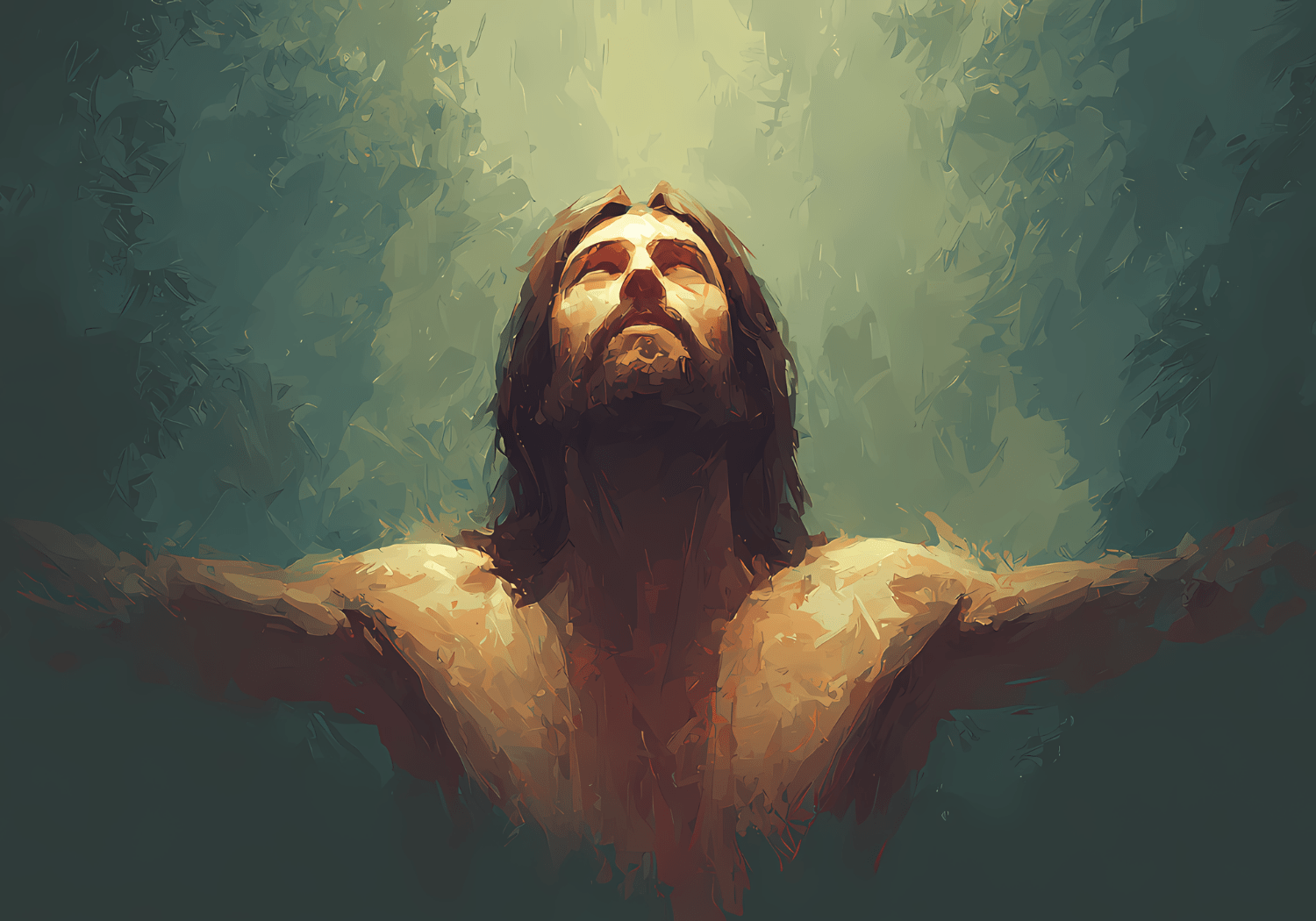 Jesus Is Both the Beginning and the End: Revelation and Ezekiel Speak the Same Language
Another major point revolved around Jesus’ declaration in Revelation.
“I am Alpha and Omega, the beginning and the end, the first and the last.” – Revelation 22:13
Rather than dealing with the significance of this statement, the Muslim Lantern attempted to dismiss it simply because it appears within John’s vision.
That objection misses an important fact. Throughout Scripture, God regularly revealed truth through visions given to His prophets. Rejecting Revelation because it contains visions would also require dismissing many other prophetic books.
The issue is not whether God spoke through a vision. The issue is what God revealed.
Jesus identifies Himself with titles that belong uniquely to God, declaring Himself the Beginning and the End of all things.
As the discussion progressed, the Christian speaker moved into imagery found in Revelation and Ezekiel.
These books contain symbolic visions that often parallel one another. Ezekiel describes living creatures surrounding God’s throne, while Revelation expands upon many of the same heavenly realities.
Although these passages require careful study, dismissing them simply because they are symbolic ignores how Biblical prophecy works.
Scripture frequently explains its own symbols by comparing one passage with another. The Bible is designed to interpret itself.
That is why studying Revelation without Ezekiel, or Ezekiel without Revelation, often leaves readers with only part of the picture.
 Avoiding the Real Argument…The Bible Presents One Unified Story
Perhaps the most revealing moment came after the Christian finished presenting his explanation.
Rather than working through each point, the Muslim Lantern largely returned to his original question as though nothing had been said.
This is a common debating tactic. Instead of demonstrating why an argument is false, the discussion simply resets to the beginning.
Christians should recognize this pattern. Sometimes people ignore an answer because engaging with it would require them to reconsider long-held assumptions.
Proverbs warns us:
Listening carefully is essential before passing judgment. Share on X“He that answereth a matter before he heareth it, it is folly and shame unto him.” – Proverbs 18:13
One of the strongest reminders from this discussion is that Scripture should never be treated as disconnected books.
Genesis introduces themes that are completed in Revelation.
The prophets point toward Christ.
The Gospels reveal Him.
The apostles explain Him.
Everything ultimately centers upon Jesus Christ.
As He Himself declared:
“Search the scriptures; for in them ye think ye have eternal life: and they are they which testify of me.” – John 5:39
When Christians understand the unity of Scripture, they become far better equipped to answer difficult questions and recognize when someone is avoiding the real issues.
 Jesus IS God
The debate demonstrated that simply asking, “Where did Jesus say He is God?” is often not enough. The Bible presents Christ’s identity through prophecy, fulfilled promises, divine titles, symbolic imagery, and direct revelation.
Rather than allowing opponents to dictate artificial rules for what counts as evidence, Christians should let the whole counsel of God speak.
If Scripture consistently identifies Jesus as the eternal Creator, the Light of the world, the First and the Last, and the Alpha and Omega, then every passage deserves to be considered honestly.
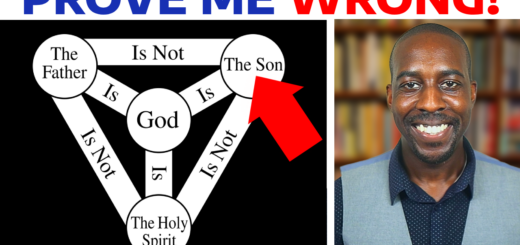
If you enjoyed this discussion and want to see another debate exposing common Muslim objections to Christianity, be sure to watch this related video.
That conversation continues examining Biblical evidence for the Christian faith while responding to common Islamic arguments. It serves as another helpful resource for believers who want to grow in confidence when defending the truth of God’s Word.
WATCH THE VIDEO














Recent Comments