Muslim Tries To DIVIDE Christians But Gets EXPOSED BADLY!
Can God exist within His creation while simultaneously being greater than it? Does Jesus being born of Mary somehow disprove His divinity?
These questions became central to a heated debate involving popular Muslim preacher Shamsi and two Christians.
What began as a discussion about God’s greatness quickly developed into a confrontation about the incarnation, God’s omnipresence, and the identity of Jesus Christ.
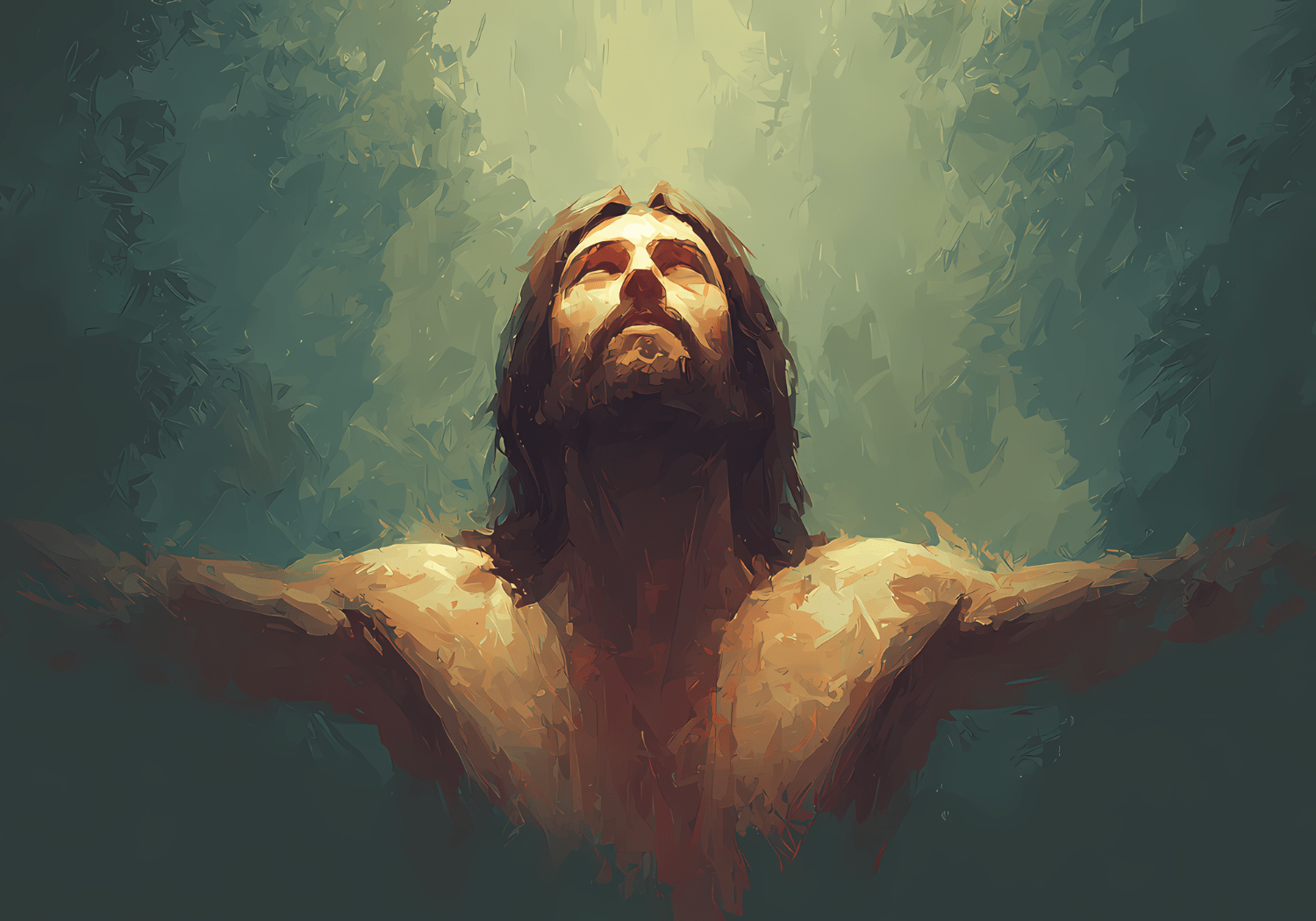 Is God Bigger Than His Creation?
Shamsi began by asking whether God is greater than His creation. After receiving an affirmative answer, he asked whether God could ever be physically smaller than a human being.
His intention soon became clear. If Jesus was inside Mary’s womb, and Mary was physically larger than Jesus, how could Jesus possibly be God?
However, this argument confuses physical size with divine nature. The Christian explained that God’s presence in a particular location does not mean He is restricted to that location.
God's omnipresence means He is not confined by the physical limitations governing human beings. God can manifest Himself within His creation without ceasing to exist beyond it. Share on XIf I ascend up into heaven, thou art there: if I make my bed in hell, behold, thou art there. – Psalm 139:8
Consider an illustration involving the owner of a company. Imagine a businessman who owns an entire organisation but decides to enter its workforce as an ordinary employee. His purpose is to understand its problems and transform the company from within.
Does entering the workforce mean he stops owning the business? Of course not. His position within the company does not eliminate his authority over it.
Similarly, God’s decision to enter His creation does not mean He surrendered His divine identity. The Bible declares:
Jesus becoming flesh does not mean He stopped being God. Share on X“And the Word was made flesh, and dwelt among us, (and we beheld his glory, the glory as of the only begotten of the Father,) full of grace and truth.” – John 1:14
Christians believe Jesus possesses both a divine nature and a human nature. His humanity experienced genuine physical limitations, but His divinity was not reduced to the dimensions of His human body.
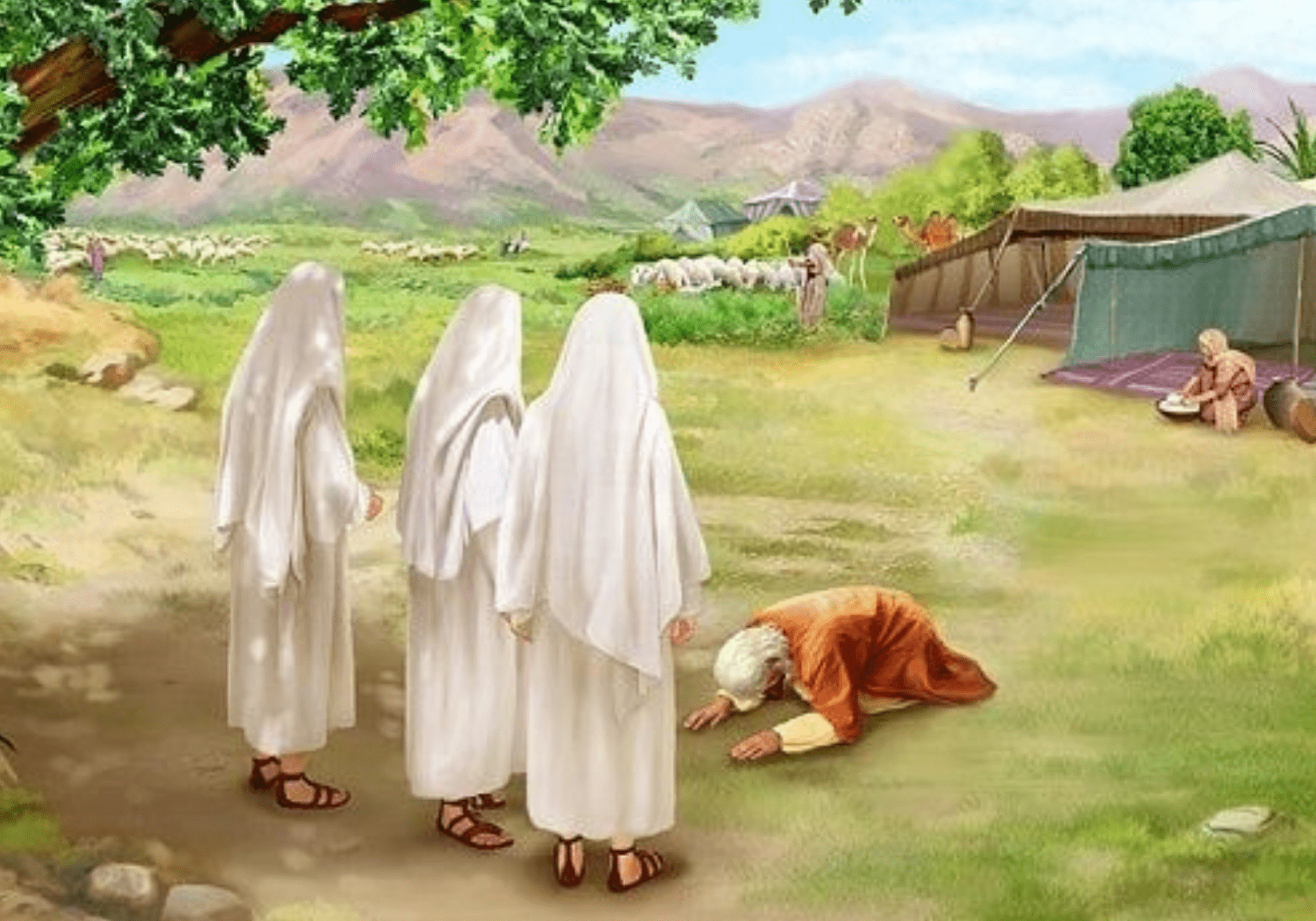 God Is Not Limited by Location
Throughout Scripture, God reveals Himself within His creation. For example, Genesis 18 describes the LORD appearing to Abraham.
And the LORD appeared unto him in the plains of Mamre: and he sat in the tent door in the heat of the day. – Genesis 18:1
Did this appearance mean God ceased to exist everywhere else? Certainly not.
Can any hide himself in secret places that I shall not see him? saith the LORD. Do not I fill heaven and earth? saith the LORD. – Jeremiah 23:24
Shamsi repeatedly demanded to know whether Jesus was inside or outside Mary’s womb. But his question assumed that God’s divine existence must operate according to ordinary human limitations.
That was precisely the assumption the Christian challenged.
 John 5:23 — Jesus Receives Divine Honour
The discussion eventually turned to John 5, where Jesus makes extraordinary claims about His relationship with the Father.
Then answered Jesus and said unto them, Verily, verily, I say unto you, The Son can do nothing of himself, but what he seeth the Father do: for what things soever he doeth, these also doeth the Son likewise. – John 5:19
Jesus claims that whatever the Father does, the Son likewise does. Jesus adds:
That all men should honour the Son, even as they honour the Father. He that honoureth not the Son honoureth not the Father which hath sent him. – John 5:23
This is far more than a prophet requesting respect. Jesus teaches that the Son must receive honor corresponding to that given to the Father. For Christians, this passage provides powerful evidence of Christ’s divine identity.
 Does Jesus Identify With Yahweh?
When the Christian introduced passages connecting Jesus with Yahweh, Shamsi demanded an explicit statement where Jesus used the exact words identifying Himself as Yahweh.
However, the New Testament was written in Greek, while Yahweh is the Hebrew divine name.
The Christian pointed to Matthew 22, where Jesus quotes Psalm 110.
The LORD said unto my Lord, Sit thou on my right hand, till I make thine enemies thy footstool? – Matthew 22:44
The LORD said unto my Lord, Sit thou at my right hand, until I make thine enemies thy footstool. – Psalm 110:1
In the Hebrew passage, the LORD refers to Yahweh. Jesus uses this Scripture to challenge the Pharisees about how David could call the Messiah his Lord.
Rather than engaging fully with the passage, Shamsi continued demanding a particular verbal formula.
But a Biblical doctrine must be evaluated through Scripture’s meaning and context, not merely through an opponent’s preferred wording.
 Did Shamsi Successfully Divide the Christians?
During the exchange, another Christian entered the discussion, creating disagreement over the identity of Jesus. Shamsi attempted to use this confusion against the original Christian.
However, disagreements between individuals do not determine whether a doctrine is Biblical. Scripture remains the standard.
For in him dwelleth all the fulness of the Godhead bodily. – Colossians 2:9
Paul declares that the fullness of the Godhead dwells in Christ bodily. The incarnation therefore cannot be dismissed merely because Jesus possessed a genuinely human body.
Later, Shamsi described God’s presence within and beyond creation as a logical contradiction. The Christian responded by distinguishing God’s divine nature from human limitations and challenged Shamsi to apply his reasoning consistently to Islamic teachings about Allah.
 The Creator Is Greater Than Creation
This debate demonstrates why Christians must understand Scripture before engaging in theological discussions.
Shamsi’s central argument depended on treating God’s divine existence as though it were restricted by human physical limitations.
Yet the Bible teaches that God is omnipresent and that Jesus Christ is genuinely divine.
But sanctify the Lord God in your hearts: and be ready always to give an answer to every man that asketh you a reason of the hope that is in you with meekness and fear: – 1 Peter 3:15
Christians should defend their beliefs with Biblical knowledge, sound reasoning, and respect.
For another fascinating confrontation involving Muslim objections to Christianity, read the next article. It explores another intense debate and demonstrates why understanding Scripture is essential when defending the Christian faith.
WATCH THE VIDEO
















Recent Comments