
Is Isaiah 7:14 REALLY About Jesus? (Isaiah 7:14 Explained)
Isaiah 7:14 is one of the most discussed prophecies in the entire Old Testament. Christians have long understood it as pointing to the virgin birth of Jesus Christ, especially because Matthew explicitly applies it to Christ’s birth.
However, skeptics, particularly those who reject the New Testament, often argue that Isaiah was only speaking about a child who would be born during the prophet’s own lifetime.
Does that objection really stand up to careful Bible study?
The answer is yes, and there are actually two strong Biblical ways to understand Isaiah 7 that preserve both its original context and its fulfillment in Christ.
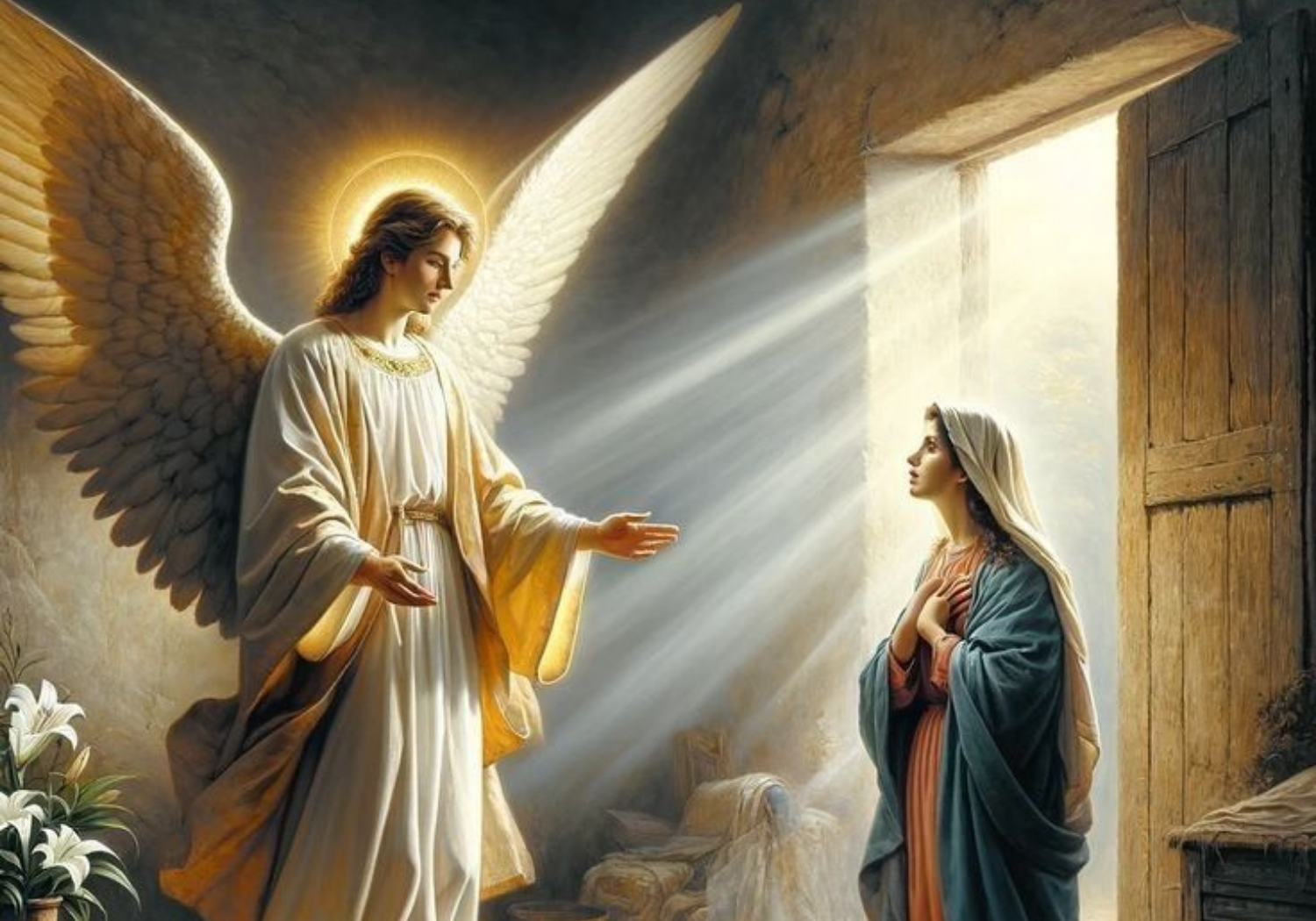 The Famous Prophecy of the Virgin Birth
Isaiah records one of the clearest Messianic prophecies in Scripture:
“Therefore the Lord himself shall give you a sign; Behold, a virgin shall conceive, and bear a son, and shall call his name Immanuel.” — Isaiah 7:14
Christians immediately recognize this verse because Matthew applies it directly to Jesus.
“Behold, a virgin shall be with child, and shall bring forth a son, and they shall call his name Emmanuel, which being interpreted is, God with us.” — Matthew 1:23
The question is not whether Matthew believed Isaiah pointed to Jesus. The real question is how Isaiah’s original audience would have understood the prophecy.
 Interpretation One: An Immediate Fulfillment and a Greater Fulfillment
One of the strongest ways to understand Isaiah 7 is through what theologians often call a “near and far” fulfillment.
In this view, Isaiah’s prophecy may have had an immediate application during his own lifetime while ultimately finding its fullest realization in Jesus Christ centuries later. This isn’t an unusual way for Biblical prophecy to work.
Throughout the Old Testament, God often reveals events that have an initial fulfillment but point forward to something even greater.
After announcing the virgin birth, Isaiah continues:
“Butter and honey shall he eat, that he may know to refuse the evil, and choose the good. For before the child shall know to refuse the evil, and choose the good, the land that thou abhorrest shall be forsaken of both her kings.” — Isaiah 7:15–16
Critics argue these verses describe events tied to Isaiah’s own generation, making it impossible for the prophecy to concern Jesus.
But that conclusion assumes prophecy can only have one level of fulfillment. Scripture repeatedly demonstrates otherwise.
A perfect example appears in God’s covenant with David. Nathan prophesied that David’s son would build God’s house and establish an everlasting kingdom.
“He shall build an house for my name, and I will stablish the throne of his kingdom for ever.” — 2 Samuel 7:13
On one level, this clearly refers to Solomon, who built the Temple after David’s death. Yet Solomon never ruled forever. His kingdom ended, and he eventually died.
That is why both Jewish and Christian interpreters have recognized that this promise ultimately points beyond Solomon to the Messiah—the eternal Son of David whose kingdom has no end.
The same prophecy even contains statements that apply differently to each fulfillment:
“If he commit iniquity, I will chasten him with the rod of men…” — 2 Samuel 7:14
This describes Solomon, who sinned and was disciplined by God.
Jesus, however, committed no sin. Instead, He bore the punishment deserved by sinners. Isaiah later describes the suffering Messiah:
“But he was wounded for our transgressions, he was bruised for our iniquities… and with his stripes we are healed.” — Isaiah 53:5
The pattern is unmistakable. A prophecy can have an initial historical fulfillment while ultimately reaching its fullest meaning in Christ.
Isaiah 7 fits naturally into that same Biblical pattern.
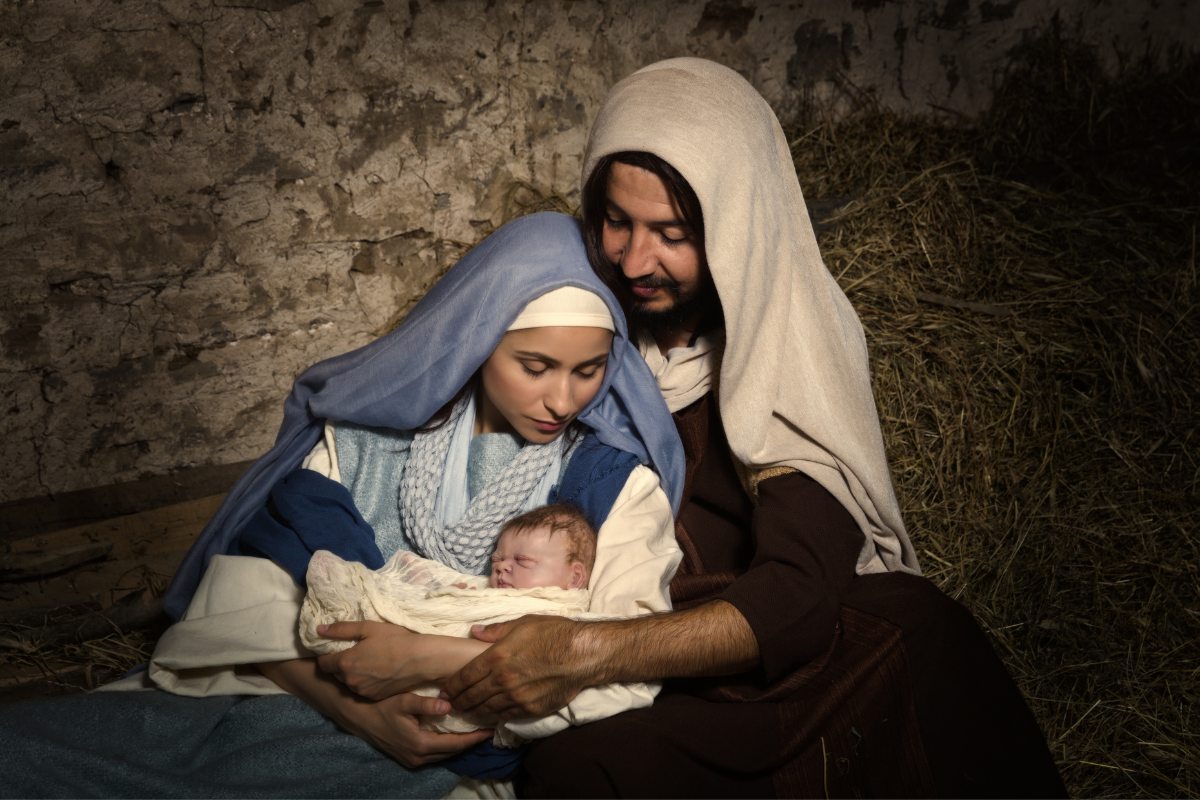 Interpretation Two: Isaiah 7 May Be Entirely Messianic
There is another equally compelling interpretation. Instead of assuming Isaiah 7:14 refers to a child born in Isaiah’s own day, some argue that the prophecy speaks directly and exclusively of the Messiah.
Several details strongly support this reading. First, Isaiah’s audience is broader than King Ahaz alone.
“Hear ye now, O house of David…” — Isaiah 7:13
God addresses the entire royal line of David—not merely one frightened king facing a military crisis.
That matters because the Messiah was repeatedly promised to come through David’s family line. The prophecy naturally fits within God’s larger covenant with David and His promise of an everlasting King.
Another important observation comes from the nature of the sign itself. God invited Ahaz to ask for an extraordinary miracle.
“Ask thee a sign of the LORD thy God; ask it either in the depth, or in the height above.” — Isaiah 7:11
The invitation reaches from the depths below to the heights above, emphasizing that God is offering something truly miraculous. If Isaiah 7:14 merely referred to an ordinary birth, where is the extraordinary sign?
Children are born every day. A virgin conceiving, however, is precisely the kind of miraculous sign that matches God's invitation. Share on XThis fits perfectly with Matthew’s understanding that the prophecy found its fulfillment in the supernatural conception of Jesus Christ.
 What About Isaiah 7:15–16? Two Faithful Ways to Read Isaiah 7
Many people assume verses 15–16 must refer to the same child mentioned in verse 14. But that isn’t the only possibility. Earlier in the chapter, God gives Isaiah a very specific instruction:
“Then said the LORD unto Isaiah, Go forth now to meet Ahaz, thou, and Shearjashub thy son…” — Isaiah 7:3
Isaiah is told to bring his own son with him when delivering God’s message. This opens another legitimate interpretation.
The prophecy of the virgin and Immanuel may point to the future Messiah, while the references to the child who will eat butter and honey before the downfall of the two kings could instead refer to Isaiah’s own son standing there with the prophet.
Under this reading, God gives both a long-term Messianic promise to the house of David and an immediate confirmation for Ahaz’s generation.
When everything is considered, there are two Biblically consistent approaches:
- Isaiah 7 includes an immediate historical fulfillment but reaches its ultimate fulfillment in Jesus Christ, following a prophetic pattern seen elsewhere in Scripture.
- Isaiah 7:14 is a direct Messianic prophecy, while verses 15–16 shift attention to Isaiah’s own son as the immediate sign connected with the political events of that day.
Both interpretations preserve the integrity of Isaiah’s context while fully explaining why Matthew confidently identifies Jesus as the fulfillment of Isaiah 7:14.
Neither approach requires twisting the text. Instead, both arise naturally from careful reading of Scripture and from prophetic patterns already established throughout the Old Testament.
 The Bigger Picture Points to Christ
Whether you prefer the dual-fulfillment view or the direct Messianic interpretation, both lead to the same conclusion.
Jesus fulfills God’s promises to the house of David.
He is the Son born of a virgin, the promised King whose kingdom will never end, and the suffering Servant who bore the sins of His people.
Isaiah’s prophecy ultimately finds its fullest meaning in Him.
If you’ve ever struggled to answer objections about Isaiah 7:14, understanding these two interpretations provides a solid Biblical foundation while remaining faithful to both the Old and New Testaments.
If you enjoyed this study, be sure to watch this related video, where we continue examining important Biblical passages often challenged in discussions about Jesus and Old Testament prophecy. It builds on many of the same principles and will help strengthen your confidence in Scripture.
WATCH THE VIDEO















Recent Comments