
Muslim Preacher DEBATES 20 Christian Scholars & Gets EXPOSED!
Muslim preacher Shaykh Uthman Ibn Farooq entered the Southern Baptist Theological Seminary in Louisville, Kentucky (allegedly :)), where he engaged Christians, including students and scholars, over a major Islamic claim:
Is Muhammad actually prophesied in the Bible?
The discussion moved through Song of Solomon, Isaiah 42, Matthew 15, and other passages. But the debate ultimately raised a bigger issue.
When someone claims the Bible predicts Muhammad, should Christians be persuaded by linguistic similarities and geographical references, or should Scripture’s context determine what the passages mean?
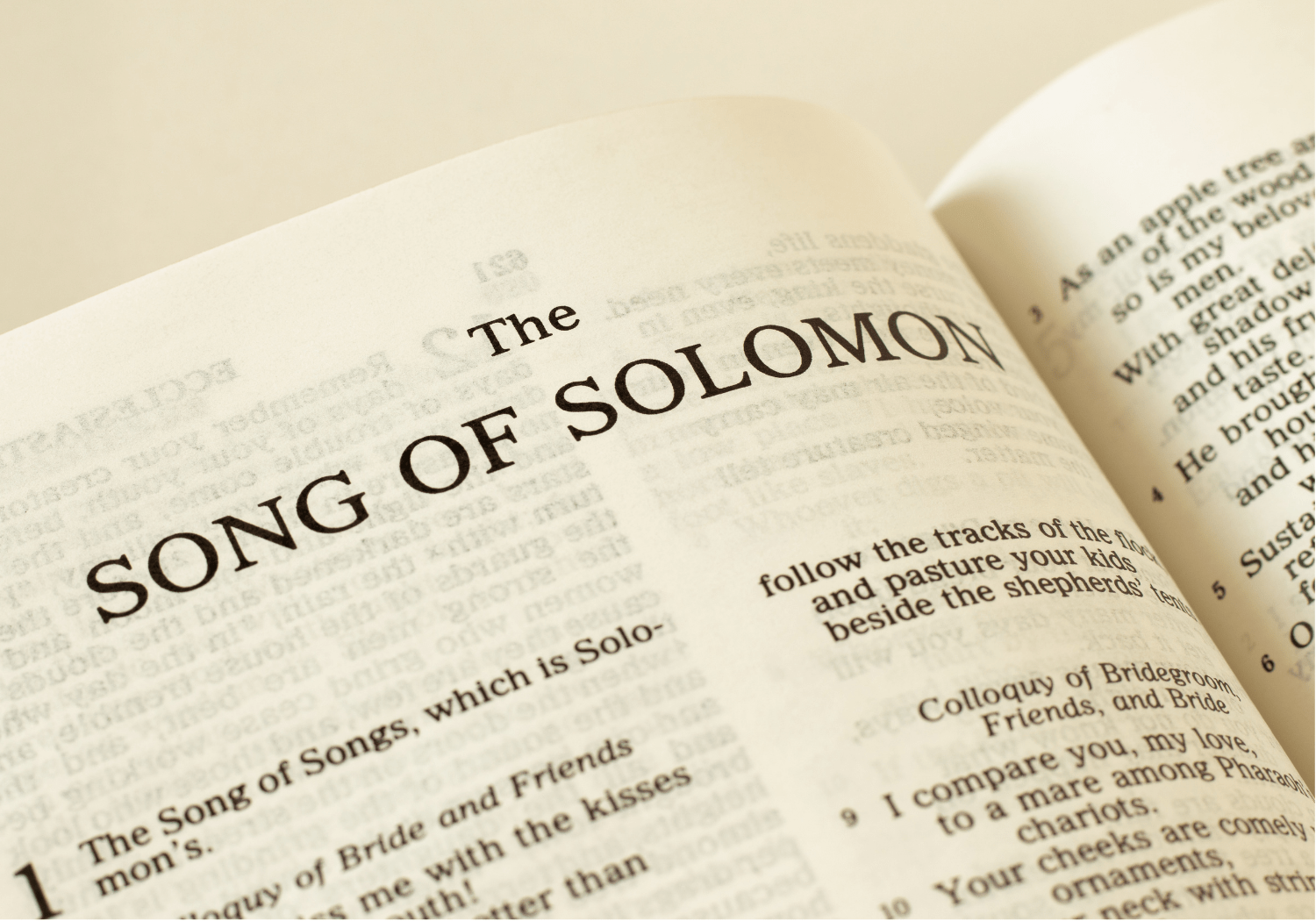 Does Song of Solomon Name Muhammad?
One of Shaykh Uthman’s main arguments centered on Song of Solomon 5:16. He claimed that the Hebrew word translated “altogether lovely” is linguistically related to the Arabic name Muhammad.
From there, he argued that Muhammad’s name essentially appears in the Hebrew text.
But a shared linguistic root does not automatically turn a Hebrew word into someone’s personal name. Related Semitic languages can form different words from similar roots, and context determines how those words function.
Consider the verse itself:
“His mouth is most sweet: yea, he is altogether lovely. This is my beloved, and this is my friend, O daughters of Jerusalem.” — Song of Solomon 5:16
The woman describes her beloved. Nothing in the immediate context announces a future Arabian prophet.
The discussion also highlighted how Song of Solomon has historically been understood at different levels: as a love poem, as imagery concerning God and His people, and, among Christians, as imagery that can reflect Christ and His church.
Shaykh Uthman therefore needed to do more than identify a similar root. He needed to demonstrate why the word must suddenly become the personal name “Muhammad.” That case was never established.
 Isaiah 42 Identifies God’s Servant
He then turned to Isaiah 42, arguing that the promised Servant fits Muhammad.
“Behold my servant, whom I uphold; mine elect, in whom my soul delighteth; I have put my spirit upon him: he shall bring forth judgment to the Gentiles.” — Isaiah 42:1
Here is where the argument encounters a major problem: Matthew directly quotes Isaiah 42 and applies it to Jesus.
“Behold my servant, whom I have chosen; my beloved, in whom my soul is well pleased: I will put my spirit upon him, and he shall shew judgment to the Gentiles.” — Matthew 12:18
The irony of appealing to Matthew to argue against Jesus being Isaiah’s Servant when Matthew 12 explicitly connects the prophecy with Christ.
This is why Christians cannot isolate verses from the rest of Scripture. The New Testament itself tells us how Isaiah’s prophecy was being fulfilled.
 What About Matthew 15:24?
Shaykh Uthman appealed to another statement from Jesus:
“But he answered and said, I am not sent but unto the lost sheep of the house of Israel.” — Matthew 15:24
The argument suggests that Jesus cannot be Isaiah’s light to the Gentiles because His ministry focused on Israel.
Yet Jesus’ earthly ministry beginning with Israel does not mean God’s plan ended there. After His resurrection, Christ commissioned His followers to take His message to the nations.
“Go ye therefore, and teach all nations…” — Matthew 28:19
The Christian in the debate also connected Christ to God’s promise through Abraham, emphasizing that the Biblical plan ultimately extends blessing beyond Israel to the nations.
Matthew 15:24 therefore does not disqualify Jesus from Isaiah 42. The broader Biblical picture explains how His mission reaches the Gentiles.
 Kedar and Sela Do Not Prove Muhammad
Shaykh Uthman also appealed to Isaiah 42’s references to Kedar and Sela, connecting them with Arabia and arguing that these geographical references support Muhammad.
However, mentioning a location does not mean the promised Servant must come from that location.
Isaiah calls upon these places and their inhabitants to rejoice. The passage does not say that a prophet will arise from Kedar simply because Kedar appears in the chapter.
This illustrates an important principle: geographical references must also be interpreted in context.
 Isaiah 49 Continues the Messianic Picture
The discussion becomes even stronger when we remain within Isaiah rather than jumping immediately to unrelated passages.
Isaiah 49 says:
“I will also give thee for a light to the Gentiles, that thou mayest be my salvation unto the end of the earth.” — Isaiah 49:6
The Servant’s mission reaches the nations. As Isaiah continues developing this theme, Christians eventually encounter the suffering Servant of Isaiah 53.
During the debate, the Christian specifically mentioned Isaiah 53 and explained that the New Testament writers identify the suffering Servant with Jesus Christ.
That response demonstrates a strong way to handle Biblical objections: start with the verse being debated, examine its immediate context, follow the theme through the same book, and then allow the rest of Scripture to provide further clarification.
 Let Scripture Interpret Scripture
Ultimately, the debate demonstrates why Christians should never be intimidated by complicated linguistic arguments.
Even if someone establishes that two Hebrew and Arabic words share a related root, that does not prove Muhammad is being prophetically named. Even if Arabia appears somewhere in a prophecy, that does not automatically make Muhammad its fulfillment.
More importantly, even conceding a linguistic resemblance would still not prove the much larger Islamic claim that Muhammad was God’s final prophet. That distinction was acknowledged toward the end of the discussion itself.
Scripture instead places the culmination of God’s revelation in Christ:
“God, who at sundry times and in divers manners spake in time past unto the fathers by the prophets, Hath in these last days spoken unto us by his Son…” — Hebrews 1:1-2
Christians should therefore examine the text rather than simply accepting confident claims about it. Song of Solomon does not become a prophecy about Muhammad because of a similar word.
Kedar does not prove Muhammad because Arabia enters the discussion. Matthew 15:24 does not cancel the Bible’s teaching that salvation would reach the Gentiles through Christ.
For further reading, check out this related article. It examines what 100 Muslims said about Jesus and highlights the major differences between Islamic claims about Christ and the Biblical testimony concerning who He is.
WATCH THE VIDEO
















Recent Comments