
Female Muslim Thinks She CRUSHED 20 Christians But Gets Caught!
One of the most significant differences between Christianity and Islam centers on a single historical event: the crucifixion of Jesus Christ.
Recently, a popular female Muslim apologist named Korra engaged in a discussion with a group of 20 Christians and attempted to argue that Jesus was never crucified.
According to the Islamic position, Jesus was rescued by God and taken to heaven while someone else was made to appear like Him and was crucified in His place.
The discussion raised important questions about history, eyewitness testimony, Biblical reliability, and the nature of God Himself.
While many objections were presented, the central issue remains simple: Did Jesus die on the cross?
The answer to that question has enormous implications because the entire Christian faith rests upon the death and resurrection of Jesus Christ.
 Why the Crucifixion Matters
The crucifixion is not a secondary doctrine within Christianity. It is the very heart of the gospel.
The apostles consistently preached that Christ died for our sins, was buried, and rose again on the third day. If Jesus was never crucified, then there is no atonement for sin, no resurrection victory, and no gospel message.
The Apostle Paul made this clear:
“And if Christ be not raised, your faith is vain; ye are yet in your sins.” — 1 Corinthians 15:17
This is why discussions about the crucifixion matter so much. They are not merely debates about history. They are debates about salvation itself.
 Does Early Disagreement Mean the Crucifixion Never Happened? The Testimony of the Gospels
One argument often raised is that some groups in the early centuries denied that Jesus was crucified. However, disagreement does not determine truth.
Throughout history people have denied countless events that most historians consider established facts. The existence of disagreement is not evidence that something did not happen.
Even during Jesus’ own lifetime people denied His miracles, rejected His teachings, and accused Him of deception. Their denial did not change reality.
Likewise, some early groups promoted theories that Jesus only appeared to suffer or that someone else died in His place. Yet the existence of alternative theories does not overturn the overwhelming testimony found in the earliest Christian sources.
What matters is not whether objections existed but whether those objections are supported by evidence.
One of the major themes of the discussion revolved around whether the Gospels contain eyewitness testimony.
The Gospel accounts provide detailed descriptions of first-century locations, customs, political leaders, religious groups, and geographical settings. They repeatedly demonstrate familiarity with the world in which Jesus lived.
Historians routinely analyze ancient documents in this manner. They examine whether a writer demonstrates knowledge of the people, places, and events being described.
The Gospel writers consistently display that level of familiarity. Furthermore, all four Gospels clearly present Jesus as being crucified under the authority of Pontius Pilate.
The crucifixion is not a minor detail tucked away in the narrative. It stands at the center of the story. Share on X The 500 Witnesses: The Problem With the Islamic Explanation
One of the strongest passages concerning the resurrection appears in Paul’s letter to the Corinthians.
Paul writes:
“After that, he was seen of above five hundred brethren at once; of whom the greater part remain unto this present…” — 1 Corinthians 15:6
Paul was not writing centuries later. He was writing within living memory of the events and openly appealing to witnesses who were still alive.
His point was simple: the resurrection was not based on a private experience or secret revelation. Numerous people claimed to have seen the risen Christ.
While critics often debate the nature of this testimony, the passage demonstrates that Christianity was rooted in public claims that could have been challenged by contemporaries if they were false.
The Islamic position creates a difficult theological question. If Jesus was not crucified, then God allowed countless people to believe He was.
The disciples believed it.
The early church believed it.
The Roman authorities believed it.
The Jewish leaders believed it.
The eyewitnesses at the cross believed it.
For centuries, people believed Jesus died and rose again. Yet according to the Islamic explanation, this entire event was an illusion. This creates a serious tension with the character of God revealed in Scripture.
 Isaiah 53 and Jeremiah’s Message
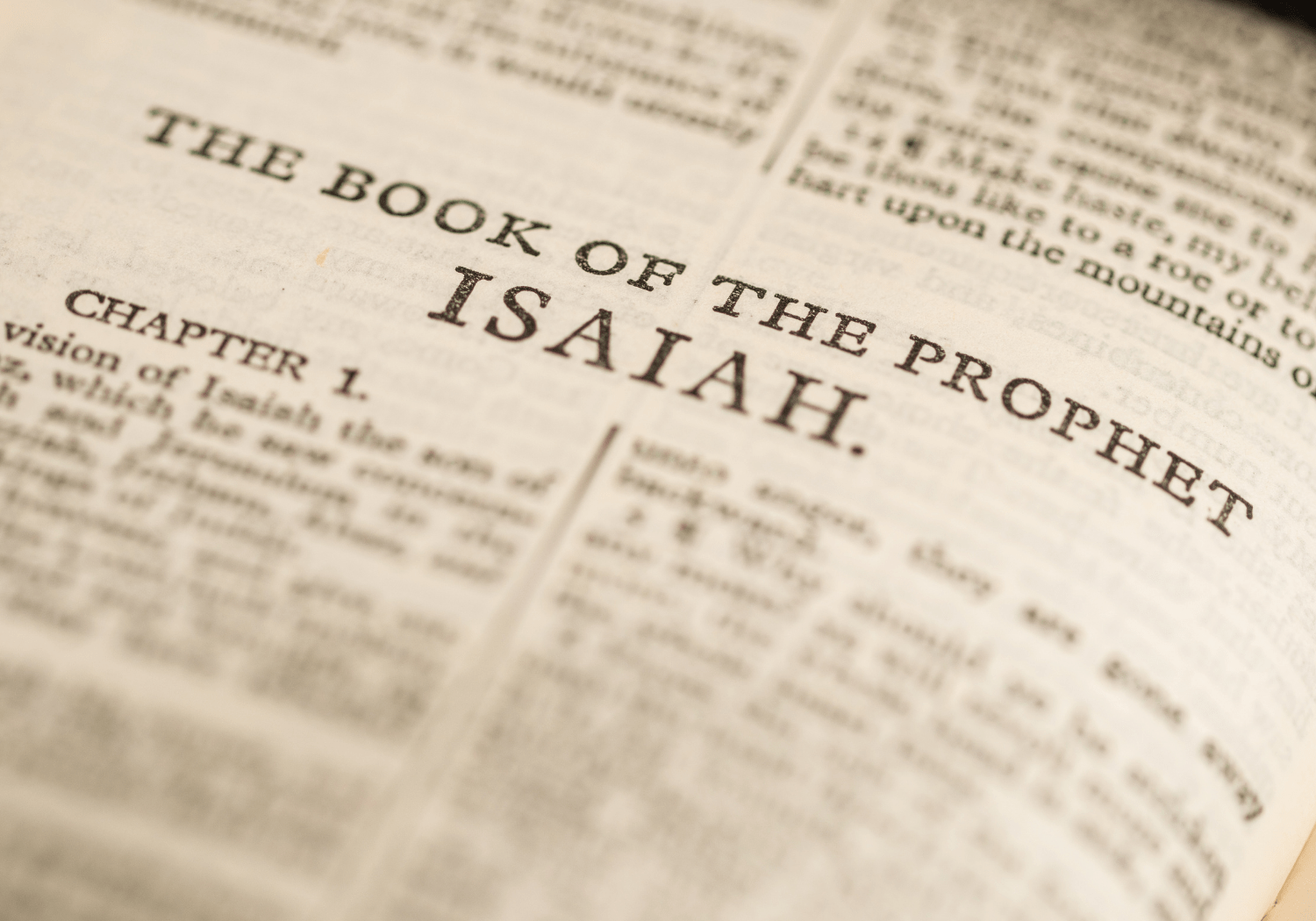
Long before the birth of Christ, the prophet Isaiah described a suffering servant who would bear the sins of others.
“But he was wounded for our transgressions, he was bruised for our iniquities…” — Isaiah 53:5
Isaiah goes on to describe a servant who would suffer, die, and yet ultimately see victory.
“He was brought as a lamb to the slaughter…” — Isaiah 53:7
These descriptions closely parallel the events recorded in the New Testament regarding Jesus’ death. The remarkable aspect of Isaiah 53 is that it was written centuries before the crucifixion and preserved long before the rise of Islam.
The discovery of the Dead Sea Scrolls further demonstrated that these prophecies existed centuries before Christ. The themes found in Isaiah are echoed elsewhere throughout the Old Testament.
Jeremiah repeatedly portrays God’s righteous servant suffering at the hands of hostile people while remaining faithful to God’s purpose.
The prophets consistently point toward a coming deliverer who would endure suffering on behalf of God’s people.
When viewed together, the Old Testament presents a powerful expectation of a suffering Messiah rather than a Messiah who escapes suffering altogether.
 Historical Evidence and the Crucifixion: A Powerful Personal Testimony
The discussion repeatedly returned to historical evidence. The reality is that both Christian and non-Christian historians have long recognized the crucifixion as one of the best-attested events from the ancient world.
Even scholars who reject Christianity often acknowledge that Jesus was crucified. The debate typically centers on what the crucifixion means, not whether it happened.
This distinction is important. A person may reject Jesus as Lord and the resurrection. A person may reject Christianity altogether. Yet many still accept that Jesus was crucified because the historical evidence is difficult to dismiss.
One of the most moving moments in the discussion came when a Christian woman explained why the cross matters to her personally.
She shared that without Christ she believed she would have taken her own life. For her, the crucifixion was not merely an academic argument. It was the foundation of her hope, forgiveness, and relationship with God.
Stories like this remind us that Christianity is not simply a collection of historical claims.
The gospel changes lives. Share on XMillions of believers throughout history have experienced forgiveness, transformation, and peace through faith in the crucified and risen Christ.
 The Real Question: Continue Your Study
Ultimately, the discussion revealed something important. The question is not whether alternative theories exist. The question is whether those theories provide a better explanation of the evidence than the historical testimony found in Scripture.
The earliest Christian sources consistently proclaim the crucifixion. The apostles preached the crucifixion. The resurrection message assumes the crucifixion. The Old Testament prophets anticipated a suffering Messiah.
And countless believers throughout history have placed their trust in the One who died and rose again.
Christianity stands or falls on Jesus Christ. Share on XAnd according to both Scripture and history, Jesus truly was crucified.
If you found this helpful, you may also enjoy reading this article examining what a large group of Muslims said about Jesus and how their answers compare with the testimony of Scripture.
WATCH THE VIDEO
















Recent Comments