
Muslim Lantern Tells Christian JESUS Taught Islam & Gets DESTROYED!
In a recent street debate, popular Muslim apologist The Muslim Lantern attempted to convince a Christian that Jesus taught Islam and that Abraham, Moses, Jesus, and Muhammad all carried the exact same religious message.
At first glance, that may sound persuasive to someone unfamiliar with Scripture. After all, Muslims often argue that “Islam” simply means submission to God, and therefore every Biblical prophet was technically a Muslim.
But once the conversation began digging into the actual teachings of Jesus, the Law of Moses, and the identity of God in Scripture, the argument quickly started falling apart.
 Did Jesus Abolish the Law of Moses?
One of the first passages brought up during the conversation was Matthew 5:17–18. The Muslim Lantern argued that Jesus taught Christians to continue following the Law of Moses forever.
Jesus said:
“Think not that I am come to destroy the law, or the prophets: I am not come to destroy, but to fulfil. For verily I say unto you, Till heaven and earth pass, one jot or one tittle shall in no wise pass from the law…” — Matthew 5:17–18
The argument sounded convincing on the surface. But the debate revealed an important distinction that many people miss: fulfilling the Law is not the same as placing believers back under the ceremonial system of Moses.
Jesus perfectly fulfilled the Law because He alone lived without sin. He fulfilled everything the sacrifices, priesthood, and ceremonies pointed toward. The Law was ultimately leading to Him.
The conversation also highlighted Matthew 5:20:
“For I say unto you, That except your righteousness shall exceed the righteousness of the scribes and Pharisees, ye shall in no case enter into the kingdom of heaven.” — Matthew 5:20
Jesus was not teaching salvation through external rule-keeping. He was exposing humanity’s inability to achieve righteousness apart from God.
A powerful moment in the discussion came when the Christian explained that Jesus Himself fulfilled the Law perfectly. He alone kept every commandment without failure.
That is why Christians trust in Christ rather than attempting to earn salvation through the Law of Moses.
 Acts 21 and the Confusion About the Law
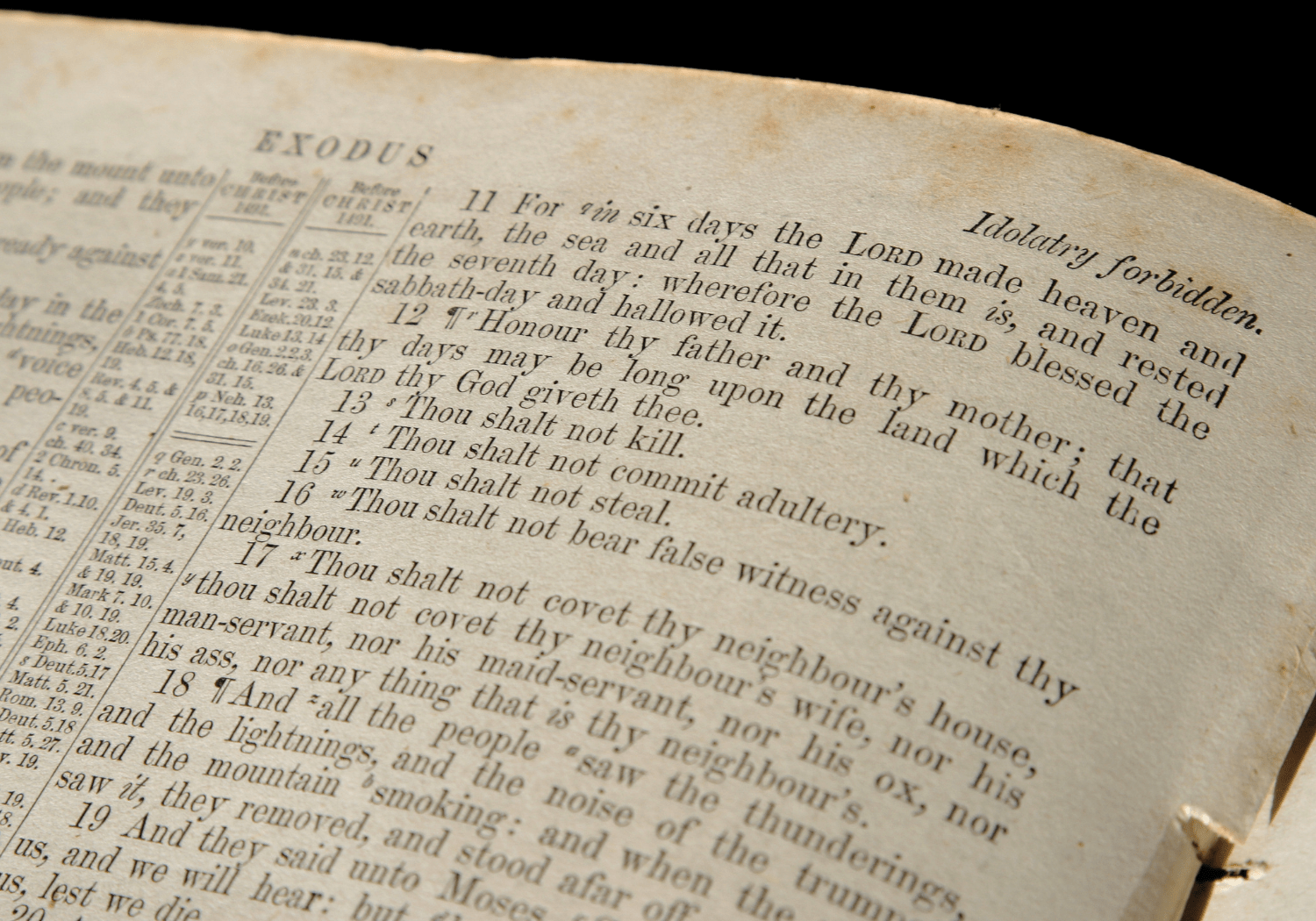
The Muslim Lantern then appealed to Acts 21:21, claiming the apostles continued teaching all believers to keep the Law of Moses exactly as before.
“And they are informed of thee, that thou teachest all the Jews which are among the Gentiles to forsake Moses…” — Acts 21:21
But this argument ignored the larger context of the book of Acts.
The early church had already addressed this issue in Acts chapter 15. The apostles gathered together to determine whether Gentile believers had to become followers of the Mosaic Law in order to be saved.
Their answer was clear: salvation was not dependent upon keeping the Law of Moses.
Acts 15 became one of the most important turning points in early Christianity because it clarified that salvation comes through faith in Christ, not through circumcision or ceremonial law.
This was one of the strongest moments in the discussion because it showed how selectively quoting verses without context can create confusion.
 The Greatest Commandments According to Jesus
One fascinating part of the exchange involved Matthew 22:37–40. The Christian in the debate repeatedly pointed out that Jesus summarized the entire Law under two foundational commands.
Jesus said:
“Thou shalt love the Lord thy God with all thy heart, and with all thy soul, and with all thy mind.”
“And the second is like unto it, Thou shalt love thy neighbour as thyself.”
“On these two commandments hang all the law and the prophets.” — Matthew 22:37–40
This completely shifted the direction of the conversation.
Jesus was not presenting a system centered around ritual performance, dietary restrictions, or ceremonial observance as the foundation of salvation. He pointed people toward wholehearted love for God and genuine love for others.
One of the interesting parts of the video was watching the Romanian Christian, despite struggling with English at times, still clearly grasp the bigger picture of what Jesus was teaching.
Meanwhile, the Muslim Lantern continually tried redirecting the conversation back toward legalism and external observance.
 Was Abraham Really a Muslim?
One of the central claims made in the debate was that Abraham was a Muslim before Islam officially existed.
The Muslim Lantern quoted Quran 3:67:
“Abraham was neither a Jew nor a Christian, but he was one inclining toward truth, a Muslim…”
This is a common Islamic argument. But the debate exposed a major problem with it.
The Bible presents Abraham as someone who personally encountered God in ways fundamentally incompatible with Islamic theology.
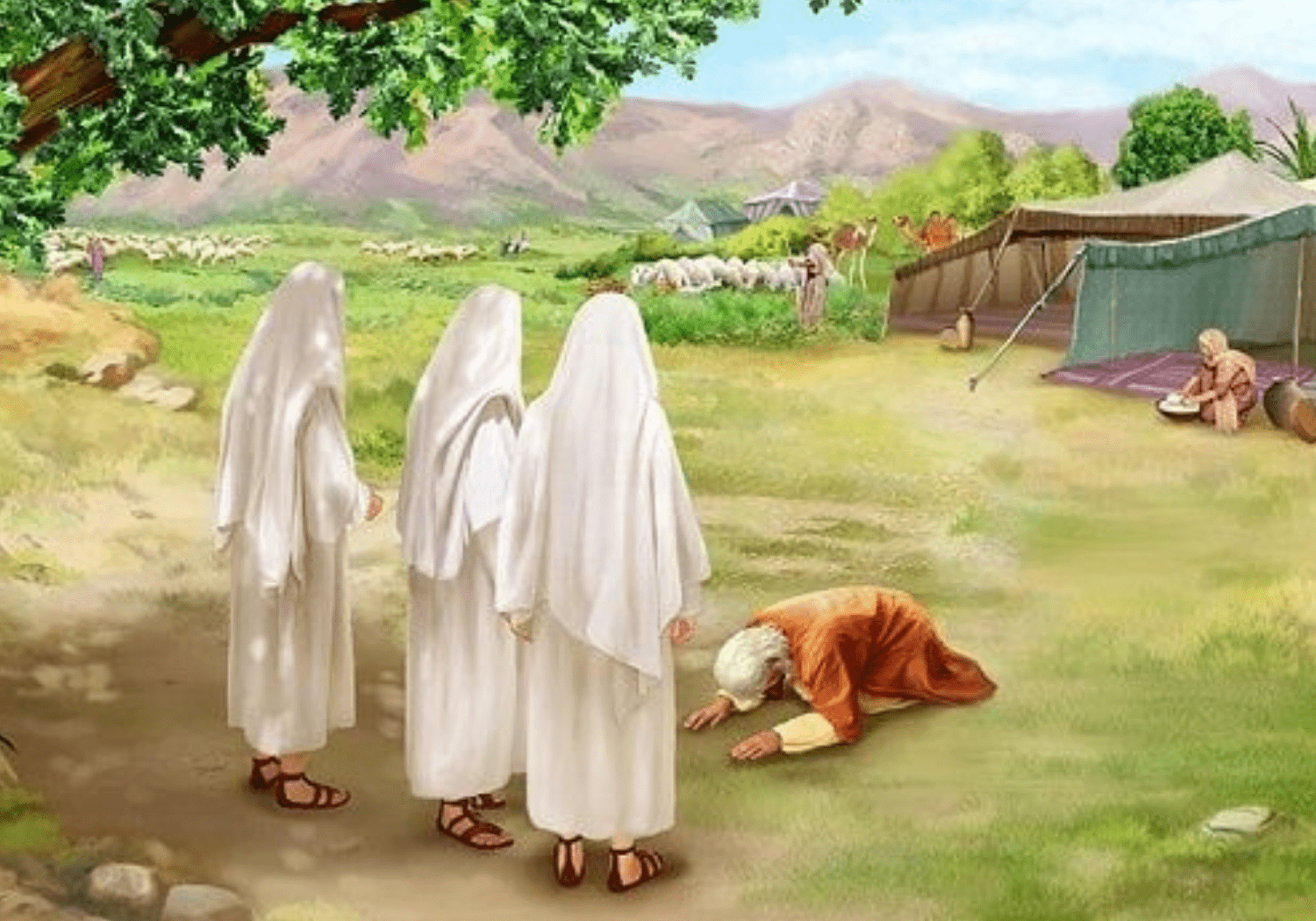
In Genesis 18, Abraham speaks directly with God appearing in visible form. He intercedes for Sodom and has a personal relationship with the Lord that goes far beyond the Islamic understanding of Allah.
The discussion also touched on Genesis 32, where Jacob wrestles with God and has his name changed to Israel.
“Thy name shall be called no more Jacob, but Israel…” — Genesis 32:28
This matters because the identity of Israel and the Jewish people flows directly through Abraham’s covenant line.
The Christian in the debate made an important point: nobody claims Abraham was a Jew in the modern sense. Abraham came before the nation of Israel formally existed. But that does not make him a Muslim either.
The Bible consistently presents Abraham as a man of faith who trusted the coming promises of God fulfilled ultimately in Christ.
 “Let Us Make Man in Our Image”
Another major discussion centered around Genesis 1:26.
“And God said, Let us make man in our image, after our likeness…” — Genesis 1:26
The Muslim Lantern argued this was merely a “royal we” — a majestic plural.
But the debate highlighted something many people overlook: ancient Jewish interpreters themselves recognized the complexity of this passage.
Some argued God was speaking to angels because they understood the text involved genuine plurality in the conversation.
Yet the Bible never teaches that angels helped create mankind.
The Christian argument was simple but powerful: God alone creates.
This passage does not prove polytheism. Christians do not believe in three gods. Rather, it points toward the deeper complexity of God’s nature revealed more fully throughout Scripture.
 One God — But More Than Islamic Monotheism: Psalm 2 and the Son of God
The Muslim Lantern repeatedly appealed to verses like Isaiah 45:5 and Isaiah 43:10 to argue that Christianity contradicts Biblical monotheism.
“I am the LORD, and there is none else, there is no God beside me…” — Isaiah 45:5
“Before me there was no God formed, neither shall there be after me.” — Isaiah 43:10
But Christians fully agree there is only one God.
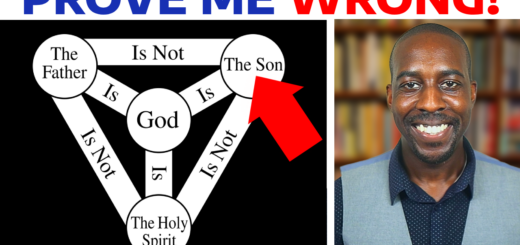
The debate exposed a major misunderstanding often repeated in Muslim-Christian discussions: the Trinity is not belief in three separate gods. Christianity teaches one God existing eternally as Father, Son, and Holy Spirit.
The Muslim Lantern repeatedly attacked a version of the Trinity Christians do not actually believe.
Toward the end of the conversation, Psalm 2:7 became a key topic.
“Thou art my Son; this day have I begotten thee.” — Psalm 2:7
The Muslim Lantern attempted to argue this passage referred only to David. But the Christian pointed out that Psalm 2 has long been understood as a Messianic Psalm — even among many Jewish interpreters.
The New Testament repeatedly applies Psalm 2 directly to Jesus.
The debate also highlighted an important issue: Islamic arguments often dismiss New Testament interpretations whenever they clearly identify Jesus as divine or as the Son of God.
Yet Jesus repeatedly referred to Himself in divine ways throughout the Gospels. He accepted titles, authority, and worship that belong to God alone.
 Why These Conversations Matter
One of the biggest takeaways from this discussion is how important context is when reading Scripture.
Throughout the debate, isolated verses were repeatedly quoted without their broader meaning. But once the full Biblical narrative was considered, the Islamic arguments began collapsing under closer examination.
The Bible presents a consistent picture:
- Humanity cannot save itself through law-keeping.
- Jesus fulfilled what the Law pointed toward.
- Abraham trusted the true God revealed in Scripture.
- God’s nature is deeper and more complex than Islamic theology allows.
- Salvation comes through Christ, not through religious performance.
These conversations matter because many people today hear confident claims online without ever checking whether those claims actually fit the Bible.
If you enjoyed this breakdown, you should also read this related article about another intense interaction where a Muslim challenger attempted to pressure a Christian but ended up exposing major flaws in the argument instead.
It’s another powerful reminder of why carefully examining Scripture in context matters so much.
WATCH THE VIDEO















Recent Comments