
Muslim Tries To WIPE OUT Christians Lady & Gets EXPOSED!
A discussion between Muslim preacher Hashim and a Christian woman at Speaker’s Corner quickly turned into a debate about Jesus Christ, the Trinity, and the crucifixion.
He argued that Christianity faces a serious dilemma: Christians call Jesus divine and immortal while also claiming He died on the cross.
But the supposed contradiction disappears when we accurately represent the Christian position. Christianity teaches that Jesus Christ is one Person with both a divine nature and a human nature.
The Son truly experienced death in His humanity without His divine nature ceasing to exist. Share on X Never Be Afraid of Biblical Truth
One of the most important lessons from the discussion had little to do with complicated theology. At one point, the Christian woman appeared hesitant about simply admitting that Jesus died.
Christians should never fear acknowledging something Scripture clearly teaches simply because an opponent believes it strengthens his argument.
“And ye shall know the truth, and the truth shall make you free.” — John 8:32
Jesus died. Scripture repeatedly says so. The proper response is not to avoid that truth but to explain what Christians mean by it.
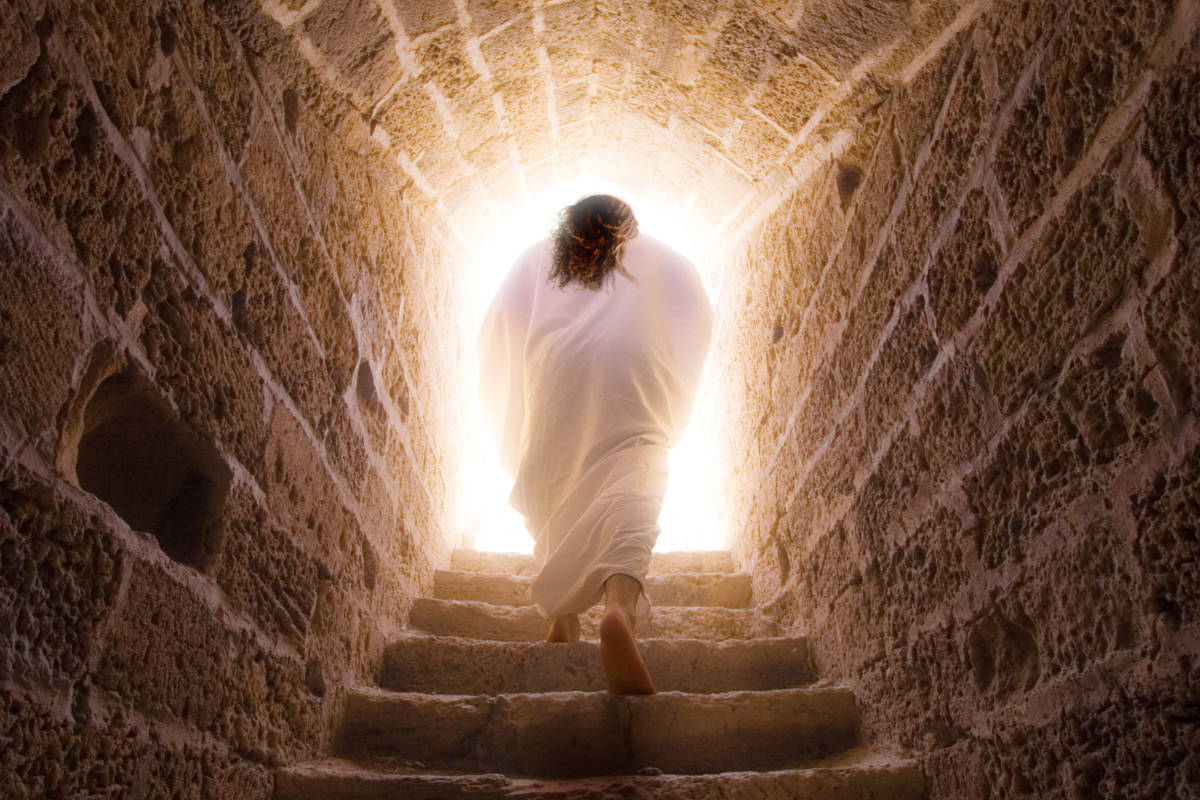 Did Jesus’ Divine Nature Die?
Hashim’s argument depended heavily upon the meaning of immortality. If Jesus experienced death, he reasoned, then Jesus could not be immortal.
However, that argument overlooks the distinction between Christ’s human and divine natures.
Jesus did not merely appear human. The eternal Son genuinely took upon Himself human nature. Therefore, His physical death was genuine. Yet Christians do not believe His divine nature died or ceased to exist.
“Who only hath immortality, dwelling in the light which no man can approach unto…” — 1 Timothy 6:16
The conversation repeatedly returned to the question of who among the Father, Son, and Holy Ghost died. The Christian answer is the Son. Only the Son assumed a human nature and experienced physical death. That does not mean the divine nature of the Son became mortal.
This distinction matters enormously. Otherwise, someone can easily create a contradiction by defining Christianity in a way Christians themselves do not believe.
 Hebrews 9 and the Death of Christ
Instead of becoming trapped in competing dictionary definitions, Christians should return to Scripture.
Hebrews 9 clearly connects Christ’s sacrifice with His death. Christians therefore have no reason to deny that Jesus died. His death stands at the heart of the gospel.
“And as it is appointed unto men once to die, but after this the judgment: So Christ was once offered to bear the sins of many…” — Hebrews 9:27-28
Christ’s humanity was real. His suffering and crucifixion were real. His death was real.
None of those statements require Christians to believe that the eternal Son ceased to exist.
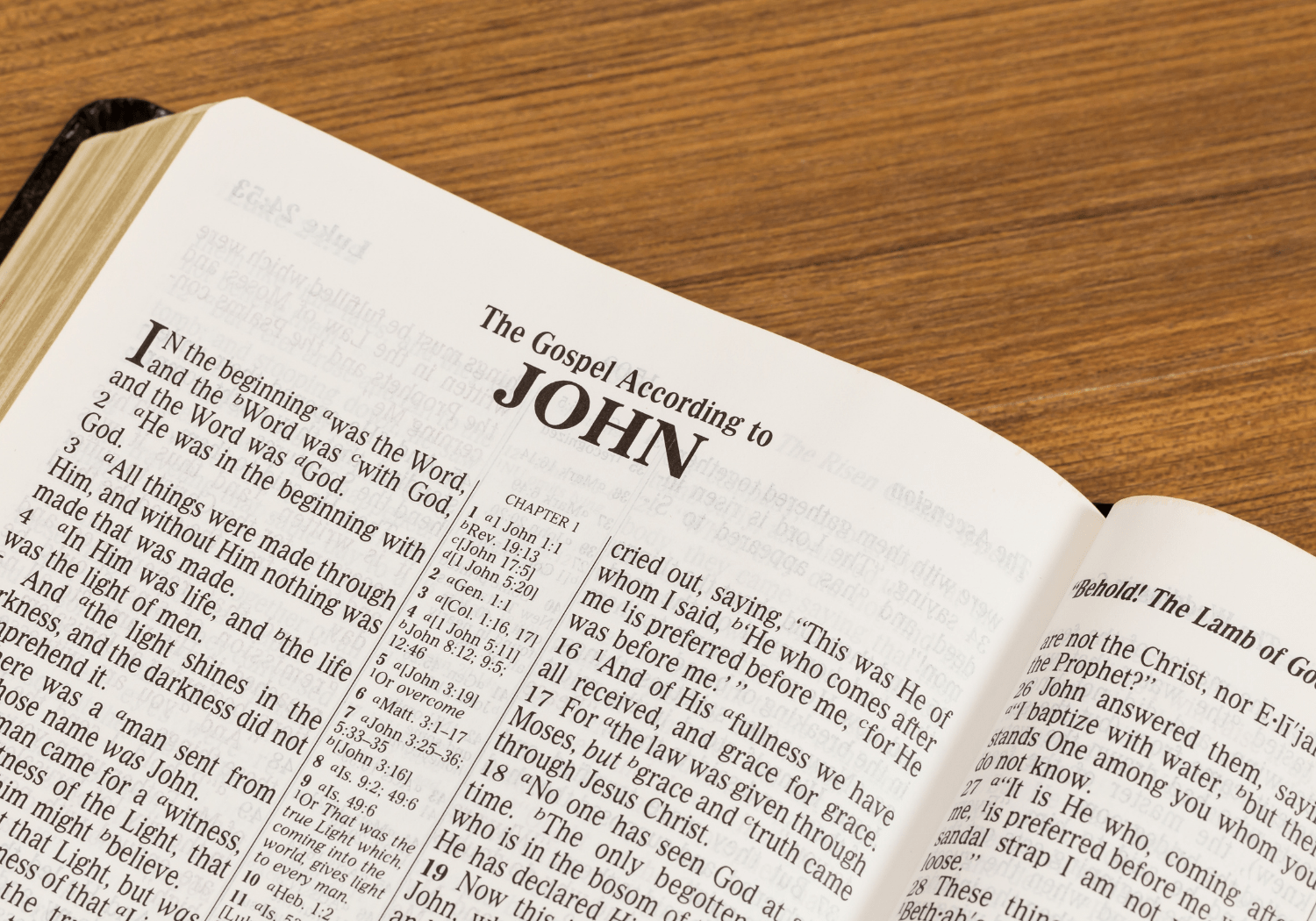 John 2 Answers the Supposed Catch-22
John 2 provides an especially important passage for understanding this distinction.
Jesus told the religious leaders:
“Destroy this temple, and in three days I will raise it up.” — John 2:19
They assumed Jesus meant the physical temple in Jerusalem. John explains:
“But he spake of the temple of his body.” — John 2:21
Jesus identified His body as the temple that would be destroyed. Yet He also declared, “I will raise it up.”
That becomes significant when someone argues that Christ’s death means He ceased to exist. His body experienced death, but the divine Son did not cease to exist. The discussion highlights this distinction as an answer to Hashim’s argument about immortality.
Christians can therefore say without contradiction that Jesus truly died while maintaining that His divine nature is immortal.
 Know What You Believe
The conversation demonstrates why Christians need more than slogans when defending their faith.
If someone argues, “Jesus died, therefore God ceased to exist,” he has added something Christianity does not teach. Likewise, saying that an immortal God could never experience human death ignores what Christians believe about the incarnation.
The Word became flesh without ceasing to be divine. The Son entered our humanity and willingly gave Himself for sinners. Share on X“And the Word was made flesh, and dwelt among us…” — John 1:14
The crucifixion is not a weakness Christians need to hide from. It stands at the center of our message. Share on X“But God commendeth his love toward us, in that, while we were yet sinners, Christ died for us.” — Romans 5:8
Toward the end of the discussion, things became more personal. Hashim questioned the Christian woman after she said she needed to leave but remained slightly longer. She objected and felt that he had treated her disrespectfully.
That moment provides another lesson: defend truth boldly, but also represent people fairly.
Confidence does not prove an argument. Scripture must remain our foundation. Share on XFor another revealing Christian-Muslim discussion, read this next article. It offers another example of why Christians should understand their beliefs, examine objections carefully, and remain firmly grounded in God’s Word.
WATCH THE VIDEO
















Recent Comments