
Muslim LIES To Mexican Christian But Gets DESTROYED For 40 Minutes Straight!
Public conversations about Christianity often move quickly. Questions are fired one after another, verses are quoted out of context, and before long an unprepared believer can feel overwhelmed.
In this discussion, Shaykh Uthman Ibn Farooq attempts to persuade a Christian that Jesus cannot be God by using familiar passages from the Gospel of John, Hebrews, and Revelation. Yet a closer look at those very passages tells a different story.
One lesson stood out throughout the debate: sincere faith should be matched with Biblical preparation. The Christian repeatedly admitted he had not prepared for the conversation, even explaining that he had tried to get ready at the last minute.
That honesty is commendable, but it also demonstrates why every believer should strive to know the Scriptures well before entering difficult theological discussions.
As Christians, we should never be ashamed to admit when we do not know an answer. Instead, we should study, grow, and return to Scripture so that we can give a reason for the hope that is within us.
 When Context Changes Everything
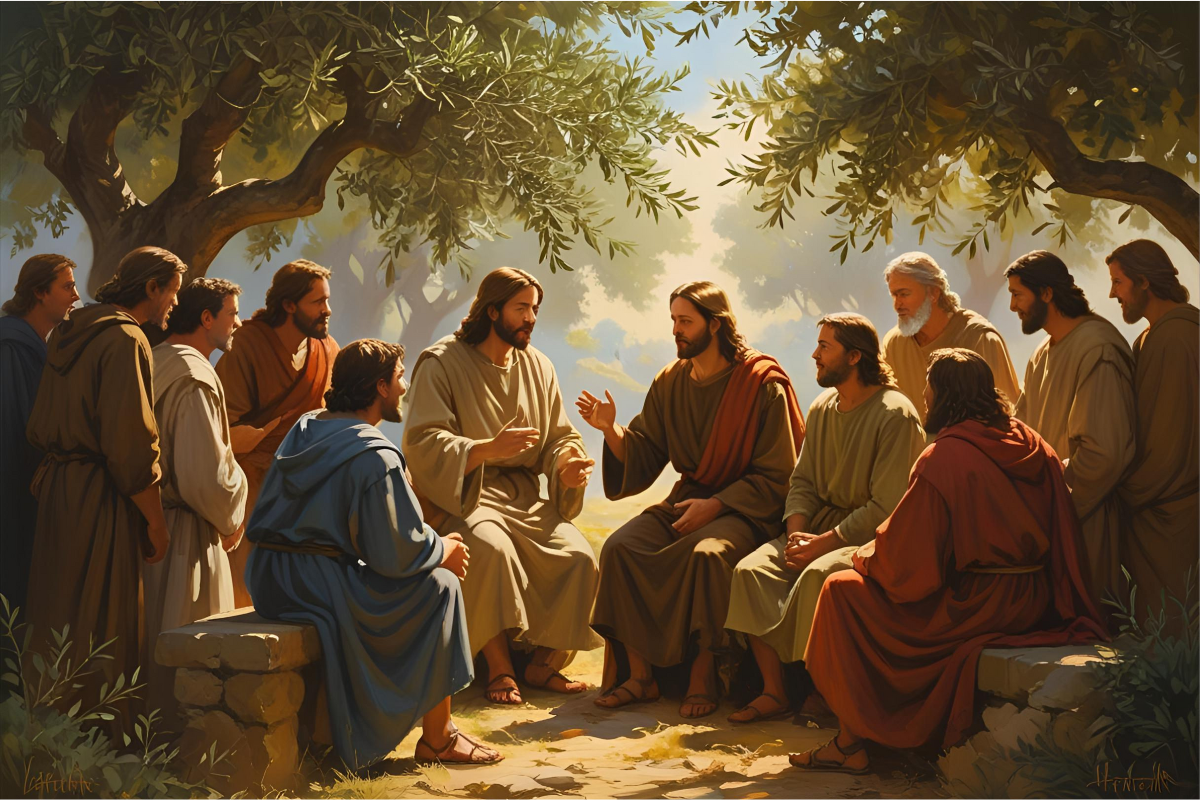
One of the first arguments presented was based on John 6:14, where the crowd called Jesus “that prophet.” The conclusion offered was simple: if Jesus is called a prophet, then He cannot be God.
This creates a false choice. Scripture teaches both truths. Jesus truly was the Prophet foretold by Moses, but His prophetic office never denied His divine nature.
Throughout John’s Gospel, Jesus is progressively revealed as far more than a prophet. He is the eternal Word who became flesh.
The discussion then moved through passages such as John 12:28, John 14:13-14, and John 14:28, yet repeatedly overlooked their surrounding context. In John 14, Jesus makes an extraordinary promise:
“And whatsoever ye shall ask in my name, that will I do, that the Father may be glorified in the Son. If ye shall ask any thing in my name, I will do it.” – John 14:13-14
Notice who answers prayer. Jesus does not merely promise to pass requests to the Father. He declares, “I will do it.” That is an astonishing claim. No mere prophet could promise to hear and answer the prayers of believers across the world.
Rather than weakening Christ’s deity, this passage points toward it.
 “The Father Is Greater Than I”: Did Jesus Know the Hour?
Perhaps the most common objection came from John 14:28:
“…for my Father is greater than I.” – John 14:28
At first glance, some assume this disproves Christ’s deity. Yet Scripture consistently distinguishes between Christ’s divine nature and His humble earthly mission.
When Jesus took on human flesh, He willingly accepted the role of a servant. That temporary humiliation does not mean He ceased being God. It means He humbled Himself to accomplish our redemption.
A helpful comparison is a company owner who temporarily joins the factory floor to rescue the business. His position changes, but his identity as owner does not.
This understanding fits perfectly with the wider teaching of the New Testament.
Another major objection centered on Mark 13:32, where Jesus says that no one knows the day or hour except the Father.
This verse is frequently quoted without considering the Incarnation and the cultural setting surrounding Christ’s words.
During His earthly ministry, Jesus voluntarily humbled Himself, taking on genuine human nature. The New Testament repeatedly presents Him as both fully God and fully man. Rather than denying His deity, Mark 13:32 reflects His role during His earthly mission.
The discussion also highlighted the Jewish marriage custom in which the father determined when the son would go for his bride. That background helps explain why the Father alone would announce the appointed time.
When difficult verses arise, Christians should seek to harmonize all of Scripture instead of building doctrine from a single passage. Share on X Can God Become Lower Than the Angels?: Hebrews 1 Declares the Son to Be God
The debate then shifted to Hebrews 2:9, where Jesus was described as being made “a little lower than the angels.”
Only half of the verse was emphasized.
“But we see Jesus, who was made a little lower than the angels for the suffering of death, crowned with glory and honour; that he by the grace of God should taste death for every man.” – Hebrews 2:9
The reason Christ became lower than the angels is plainly stated: for the suffering of death.
God the Son entered human history so He could die for sinners. His temporary humiliation accomplished what no angel could ever do.
This perfectly matches the doctrine of the Incarnation rather than contradicting it.
One of the strongest moments of the discussion involved Hebrews 1:8-12.
The Father Himself says:
“But unto the Son he saith, Thy throne, O God, is for ever and ever…” – Hebrews 1:8
The chapter continues by applying Psalm 102:25-27, a passage describing the eternal Creator, to the Son.
“Of old hast thou laid the foundation of the earth… But thou art the same, and thy years shall have no end.” – Psalm 102:25-27
Hebrews intentionally applies these words to Jesus.
Far from denying Christ’s deity, Hebrews presents the Father addressing the Son as God and identifying Him as the unchanging Creator of heaven and earth.
This is one of the clearest affirmations of Christ’s divine identity in the New Testament.
 “My God” After the Resurrection: Nothing Is Too Hard for God
The conversation also referenced Revelation 3:12, where the risen Christ speaks of “my God.” Some claim this disproves His deity.
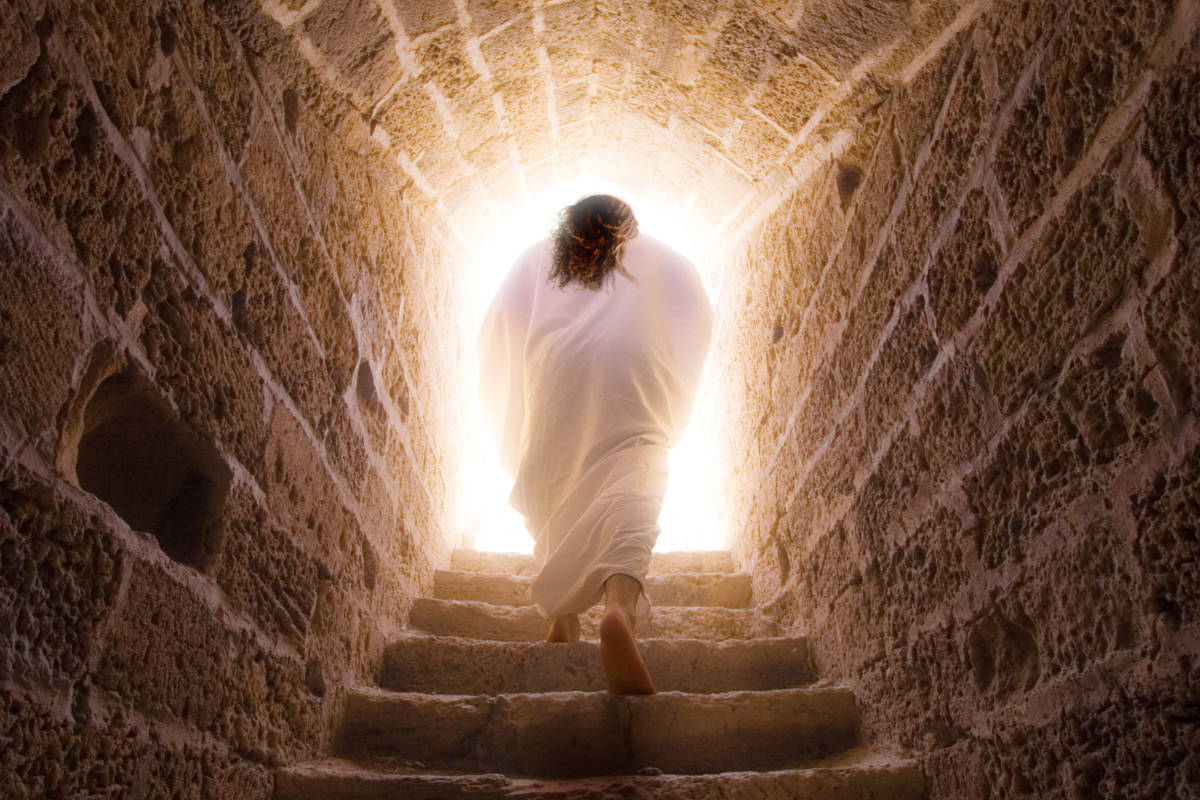
Yet Scripture consistently teaches that Jesus remains both fully God and fully man after His resurrection. As the incarnate Messiah, He continues to represent redeemed humanity before the Father.
Only a few chapters earlier, John records another remarkable declaration from the risen Christ:
“…Fear not; I am the first and the last: I am he that liveth, and was dead; and, behold, I am alive for evermore…” – Revelation 1:17-18
“The First and the Last” is divine language rooted in the Old Testament, demonstrating that the risen Christ possesses titles belonging to God Himself.
Both passages must be read together rather than isolated from one another.
Throughout the discussion, the underlying assumption was that God simply cannot become man. Yet where does Scripture ever teach that?
Instead, the Bible repeatedly emphasizes God’s limitless power.
“Behold, I am the LORD, the God of all flesh: is there any thing too hard for me?” – Jeremiah 32:27
If God created the universe from nothing, spoke galaxies into existence, and entered history repeatedly throughout the Old Testament, why would the Incarnation be impossible?
The issue is not God's ability but whether He revealed that He would do it. Share on X The Importance of Preparation
One encouraging part of the discussion was the reminder that every Christian begins somewhere. Many experienced apologists can recall debates where they struggled to answer difficult questions.
Growth comes through humility, careful study, and repeatedly returning to God's Word. Share on XRather than avoiding difficult conversations altogether, believers should prepare themselves so they can handle Scripture accurately and confidently when opportunities arise.
The goal is not simply to win arguments but to point people to Jesus Christ, the eternal Son of God who became man, died for sinners, rose again, and offers eternal life to all who trust in Him.
If you enjoyed this discussion on the deity of Christ and how Scripture answers common Islamic objections, you’ll also appreciate this related article.
It explores another debate where careful attention to Biblical context exposes common misconceptions and demonstrates why knowing God’s Word is one of the Christian’s greatest strengths.
WATCH THE VIDEO
















Recent Comments