
Shaykh Uthman Caught REPEATEDLY LYING & Gets DESTROYED!
Conversations about Christianity and Islam often revolve around one central question: Do Christians and Muslims worship the same God?
It is a popular talking point used by Muslim speakers such as Shaykh Uthman Ibn Farooq, who frequently argues that Muslims simply worship the God of Abraham, Moses, and Jesus while Christians have departed from true monotheism.
At first glance, that claim may sound convincing, especially to someone who is unfamiliar with what the Bible actually teaches. But when Scripture is allowed to speak for itself, a very different picture emerges.
Throughout this discussion, the key issue is not whether both religions claim Abraham or Moses. The real question is whether they describe the same God.
In this article, we’ll examine several Biblical passages often mentioned in these debates and see whether the God revealed in the Bible can truly be identified with the god presented in Islam.
 The Same Names Do Not Mean the Same God
One of the first claims often made is that Muslims believe in the God of Abraham, Moses, Jesus, and the prophets. However, simply using the same historical names does not automatically mean the same person is being described.
The Bible records occasions where Abraham and Moses encountered God in ways that stand in stark contrast to Islamic theology. Abraham spoke with the LORD, and Moses, Aaron, Nadab, Abihu, and seventy elders of Israel were given a remarkable vision of the God of Israel.
“And they saw the God of Israel… also they saw God, and did eat and drink.” — Exodus 24:10-11
These encounters present a Biblical picture of God that differs significantly from the understanding found in Islam.
If two religions describe God’s character, His revelation, and His relationship with mankind differently, then sharing the names “Abraham” or “Moses” does not automatically prove they worship the same God.
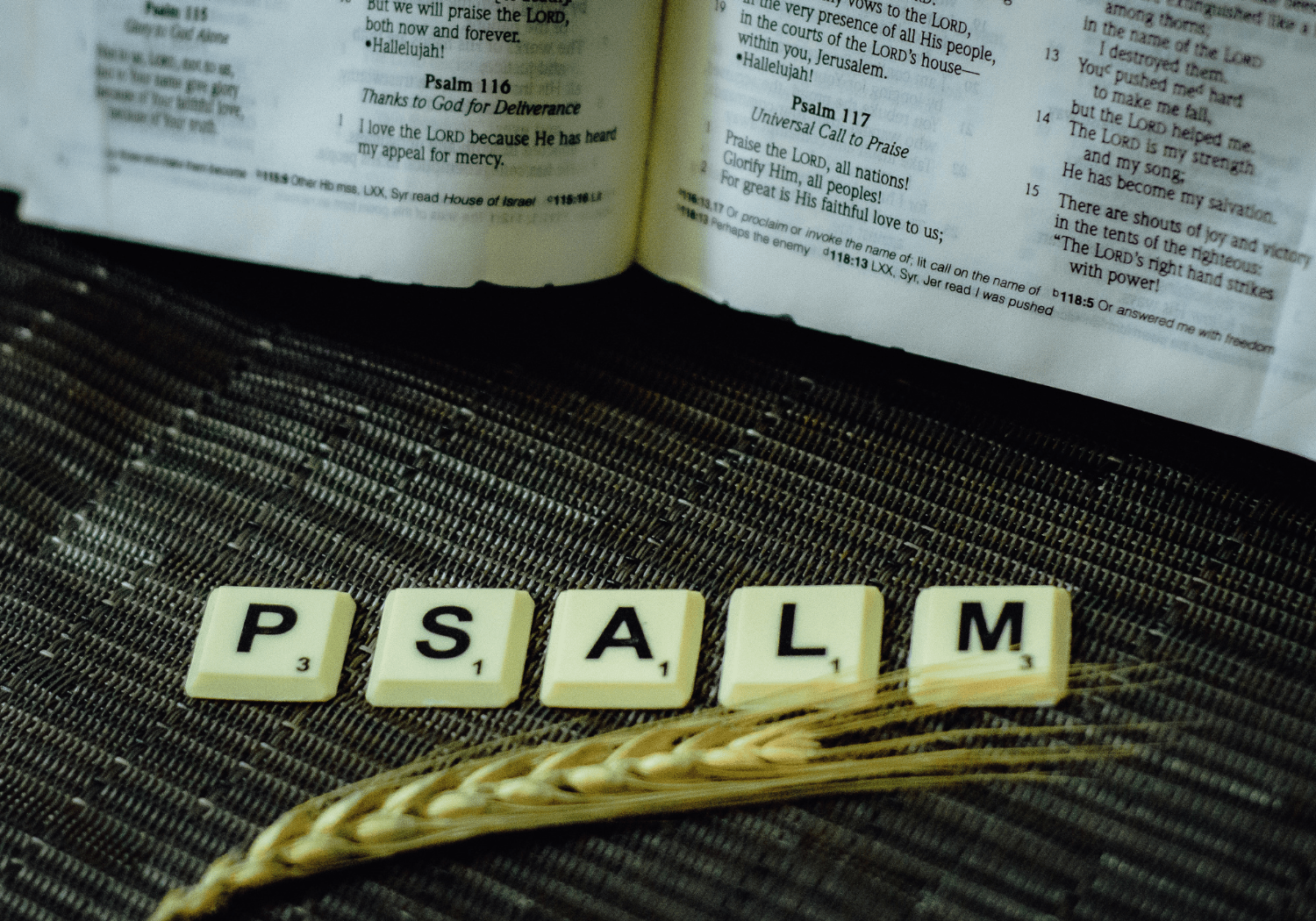 Psalm 89 Shows God’s Fatherly Relationship with His People
One fascinating point regarding the discussion concerns Psalm 89. This passage reveals something very important about God’s relationship with Israel.
Some argue that if God disciplines His people, they cannot truly be His children. Yet the Bible teaches the exact opposite. God’s discipline is evidence of His covenant love, not proof that His people have been rejected.
“He shall cry unto me, Thou art my father, my God, and the rock of my salvation.”
“If his children forsake my law… Then will I visit their transgression with the rod, and their iniquity with stripes. Nevertheless my lovingkindness will I not utterly take from him.” — Psalm 89:26, 30-33
Rather than denying God’s fatherhood because of judgment, Psalm 89 teaches that His discipline confirms His covenant relationship with His people.
This highlights a significant theological distinction. The Bible repeatedly describes God’s covenant people as His children while also showing that He lovingly corrects them when they sin.
 Psalm 2 Points Beyond David to the Coming Messiah
Some have suggested that Psalm 2 merely speaks about David. However, both ancient Jewish expectation and the New Testament recognize this Psalm as pointing ultimately to the Messiah.
“I will declare the decree: the LORD hath said unto me, Thou art my Son; this day have I begotten thee.” — Psalm 2:7
This verse is quoted repeatedly in the New Testament regarding Jesus Christ.
While Israel’s kings could be called God’s “sons” in a covenant sense, Psalm 2 ultimately anticipates the Messiah who would receive the nations as His inheritance and reign over all the earth.
The important point is that the Bible freely uses the language of divine sonship. It does not describe God having a physical child. Instead, “Son” communicates a unique relationship, authority, inheritance, and identity.
Misunderstanding this language often leads people to reject what Scripture actually teaches.
 Jeremiah Also Calls God’s People His Children
Psalm 2 is not the only place where this language appears. Jeremiah likewise records God referring to Israel using family language.
“For I am a father to Israel, and Ephraim is my firstborn.” — Jeremiah 31:9
Throughout the Old Testament, God describes Israel as His son, His children, and His firstborn. None of these expressions imply a physical relationship. Instead, they reveal God’s covenant love and His unique relationship with His people.
Understanding these expressions within their Biblical context is essential. Reading later assumptions back into the text can easily cause readers to misunderstand what the writers intended.
 Context Matters More Than Soundbites
One recurring theme throughout the discussion is the importance of reading entire passages instead of isolated verses.
Many debates become confusing because verses are quoted without considering their broader context. A single phrase may seem persuasive when taken alone, but the surrounding chapters often reveal a completely different meaning.
That is why Christians should continually study Scripture for themselves rather than relying on short clips, popular speakers, or social media arguments.
The strongest defense of the Christian faith comes from understanding God's Word in its proper context. Share on X Continue Strengthening Your Faith
Understanding Scripture in its proper context is one of the greatest safeguards against deception. When believers take the time to read the Bible carefully, compare Scripture with Scripture, and examine claims in light of God’s Word, misleading arguments quickly lose their force.
Let the whole counsel of God shape your understanding of who Jesus is and what He has revealed about Himself. Share on XIf you enjoyed this article, be sure to watch this related video, where we continue examining common objections to Christianity and compare them with what the Bible actually teaches.
It expands on many of the themes discussed in this article and will help you become even more confident when responding to challenges against the Christian faith.
WATCH THE VIDEO
















Recent Comments