
Popular Muslim Preacher Gets DESTROYED For Attacking Christians On The Streets!
Street debates between Christians and Muslims often look confident on the surface. A preacher quotes verses rapidly, points to manuscript dates, and raises supposed contradictions.
To someone unfamiliar with Biblical history, it can feel overwhelming.
In this exchange, Shaykh Uthman Ibn Farooq uses that exact approach—rapid-fire claims meant to create doubt rather than invite honest investigation.
But once each claim is slowed down and examined, the argument collapses under its own weight.
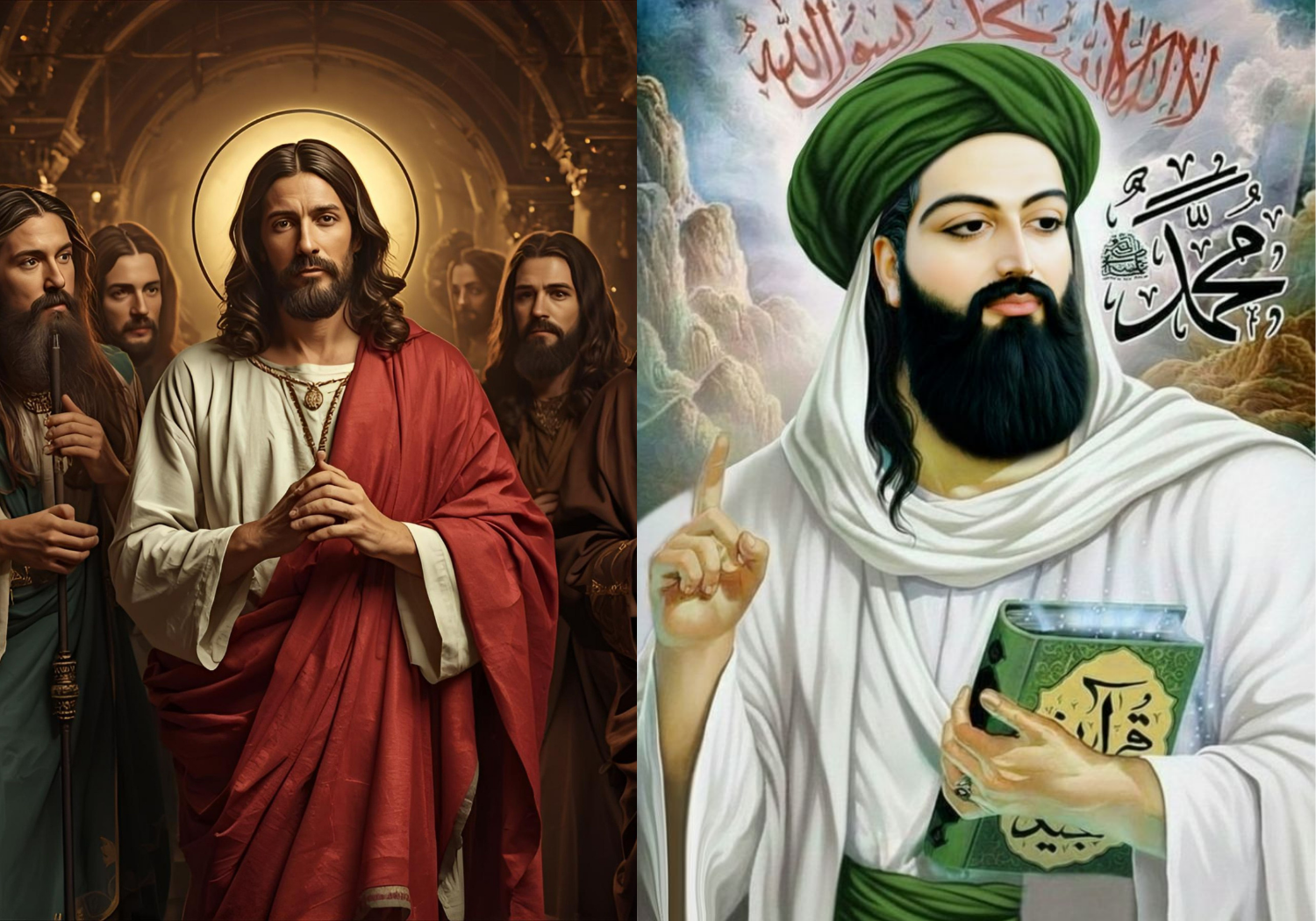 The 600-Year Gap Between Jesus and Muhammad: Manuscripts, Codex Vaticanus, and P-52
One of the central claims raised is the time gap: Jesus in the first century and Muhammad appearing over 600 years later. The implication is simple—why trust earlier eyewitnesses when a later prophet “corrects” them?
But this reasoning actually works against Islam. Historically and logically, when analyzing any event, the closer you are to the source, the stronger the testimony.
Christianity relies on first-century eyewitness accounts—disciples who walked with Jesus, heard His teaching, and witnessed His death and resurrection.
Islam asks people to reinterpret those events centuries later through someone who never met Jesus.
Christianity doesn’t reinterpret earlier revelation—it builds on it. Islam must override it. Share on XShaykh Uthman frequently appeals to manuscript dating to suggest corruption. He mentions Codex Vaticanus (4th century) and minimizes early fragments like P-52, a small portion of John’s Gospel dated within decades of the original writing.
This argument misunderstands how ancient texts were preserved.
Early Christians faced persecution, displacement, and poor writing materials. Even so, first-century fragments survived, which is remarkable. More importantly, those fragments match later complete manuscripts, demonstrating consistency—not corruption.
By contrast, Islam relies heavily on Hadith collections compiled centuries after Muhammad, yet defenders rarely apply the same standards consistently.
 John 5:7, Matthew 27, and Acts 1: The Misuse of Textual Variants
John 5:7 is often raised to claim forgery or fabrication. But textual variants are openly documented in modern Bibles. Scholars don’t hide them—they explain them.
A transparent textual tradition is not a weakness. It’s evidence of honesty.
The Bible doesn’t collapse because of variants. The core doctrines of Christianity are taught across multiple books, authors, and centuries, not dependent on a single verse.
One common tactic is to claim a contradiction between Judas hanging himself and Judas falling headlong. But this assumes events cannot unfold sequentially.
Matthew describes how Judas initiated his death.
Acts describes what happened afterward.
There is no logical contradiction unless one is required for the argument to work.
“And he cast down the pieces of silver in the temple, and departed, and went and hanged himself.” – Matthew 27:5
“And falling headlong, he burst asunder in the midst, and all his bowels gushed out.” – Acts 1:18
Both can be true—unless someone needs them not to be.
 Michal, Saul’s Daughter, God, Satan, and the Book of Job: Context Ignored
Another claim involves Michal having no children in one passage and five sons in another.
Once you understand the ancient family language, the issue disappears. In Hebrew culture, people often attributed children through guardianship, adoption, or household association—not strictly through biological motherhood.
This knowledge isn’t hidden. It’s basic Old Testament literacy.
Likewise, Shaykh Uthman presents passages where Scripture says God moved David to number Israel, while another passage says Satan did.
This creates a false dilemma. Scripture often speaks in layers of causation—what God permits versus what Satan carries out.
The Book of Job makes this distinction explicit. Satan acts. God allows. Both are true without contradiction.
 Numbers in Samuel and Chronicles, and Joseph’s Lineage in Matthew and Luke
Differences in census numbers are often raised as proof of corruption. But even if scribal transmission errors occurred, the argument backfires.
The Quran itself affirms the Torah and Gospel as God’s word. Declaring them corrupted undermines Islam’s own claims.
And even then, numerical discrepancies do not erase theology, doctrine, or historical core claims.
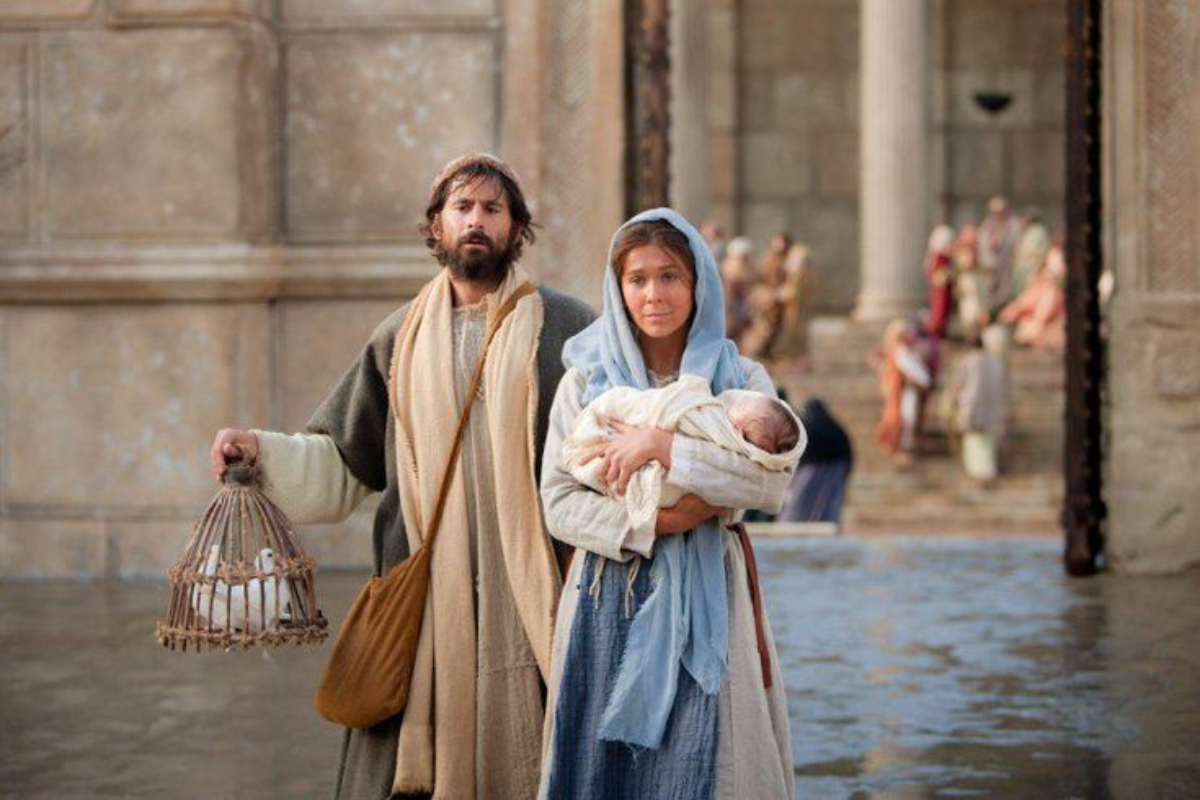
Another issue brought up was the lineage of Joseph, the husband of Mary.
Matthew traces Joseph’s legal lineage through Solomon.
Luke traces Mary’s biological lineage through Nathan.
Ancient genealogies often worked this way—legal descent and biological descent serving different theological purposes.
“And Jacob begat Joseph the husband of Mary, of whom was born Jesus, who is called Christ.” – Matthew 1:16
“Jesus himself began to be about thirty years of age, being (as was supposed) the son of Joseph…” – Luke 3:23
Far from contradiction, this strengthens the case that Jesus fulfills messianic prophecy from multiple angles.
 The Real Issue: Manipulation, Not Evidence
What becomes clear throughout the exchange is not a pursuit of truth, but strategic confusion. Rapid claims. Half-explained verses. No allowance for context. No application of standards to Islam itself.
This isn’t scholarship—it’s persuasion through overload.
Christianity does not fear scrutiny. It invites it. Share on XThe faith stands on historical grounding, eyewitness testimony, preserved texts, and internal coherence.
If you want to see another example of these tactics in action—and exposed—read this next article. It reveals how speakers often replace honest dialogue with emotional manipulation, especially when targeting vulnerable believers.
Understanding these patterns equips Christians not just to respond—but to stand confidently in truth.
WATCH THE VIDEO
















Recent Comments