
He Repented For Saying The Rapture Would Happen By September 24th!
Last week, thousands of people around the world were convinced that the rapture would take place on September 23–24. Many quit their jobs, emptied their savings, and even stood outside looking to the skies, waiting for the Lord to appear.
But as the date came and went, two very different responses began to surface. Some admitted they were wrong, while others tried to find new explanations to extend the failed prophecy.
In this post, we’ll look at both — and what Scripture teaches us about repentance, humility, and the danger of date-setting.
 A Public Apology and Repentance
Brother Aking Salamiqwe was one of the men who had promoted the September 23–24 rapture date — a claim that originated from Brother Joshua Mhlakela, who said Jesus personally told him the day of His return.
After the date passed, Aking did something rare: he publicly repented. He confessed that he had been wrong to connect the prophecy to Haggai 2:18, realizing that he had misapplied the Scripture.
“I only believed a man who claimed Jesus told him. Haggai 2:18 was not speaking about the rapture. I hereby detach myself from date-setting and will wait for His coming at any time.” — Aking Salamiqwe
This is what Biblical repentance looks like — not just admitting a mistake, but turning away from it. He took responsibility, asked forgiveness, and chose humility over pride. That’s the posture God blesses.
Even before the supposed rapture date arrived, Aking publicly apologized, asking believers to focus on genuine repentance and to “look for His coming at any time.”
He reminded listeners that “the kingdom of God is within you,” pointing people back to faith, not fear.
 When Prophecy Fails: Two Possible Paths
When a prophecy fails, believers face two roads — repentance or pride. One leads to restoration; the other to deeper deception.
Some, like Brother Aking, chose humility. Others, however, try to protect their reputation or theology by reinterpreting their mistake instead of admitting it.
This is where Brother Joshua Mhlakela’s response stands out — not for the right reason, but as a warning.
Instead of acknowledging that his prophecy was false, Joshua claimed that his message was still true — just misunderstood.
He argued that the Feast of Trumpets he originally used to calculate the September date was based on the Julian calendar, not the Gregorian calendar we use today.
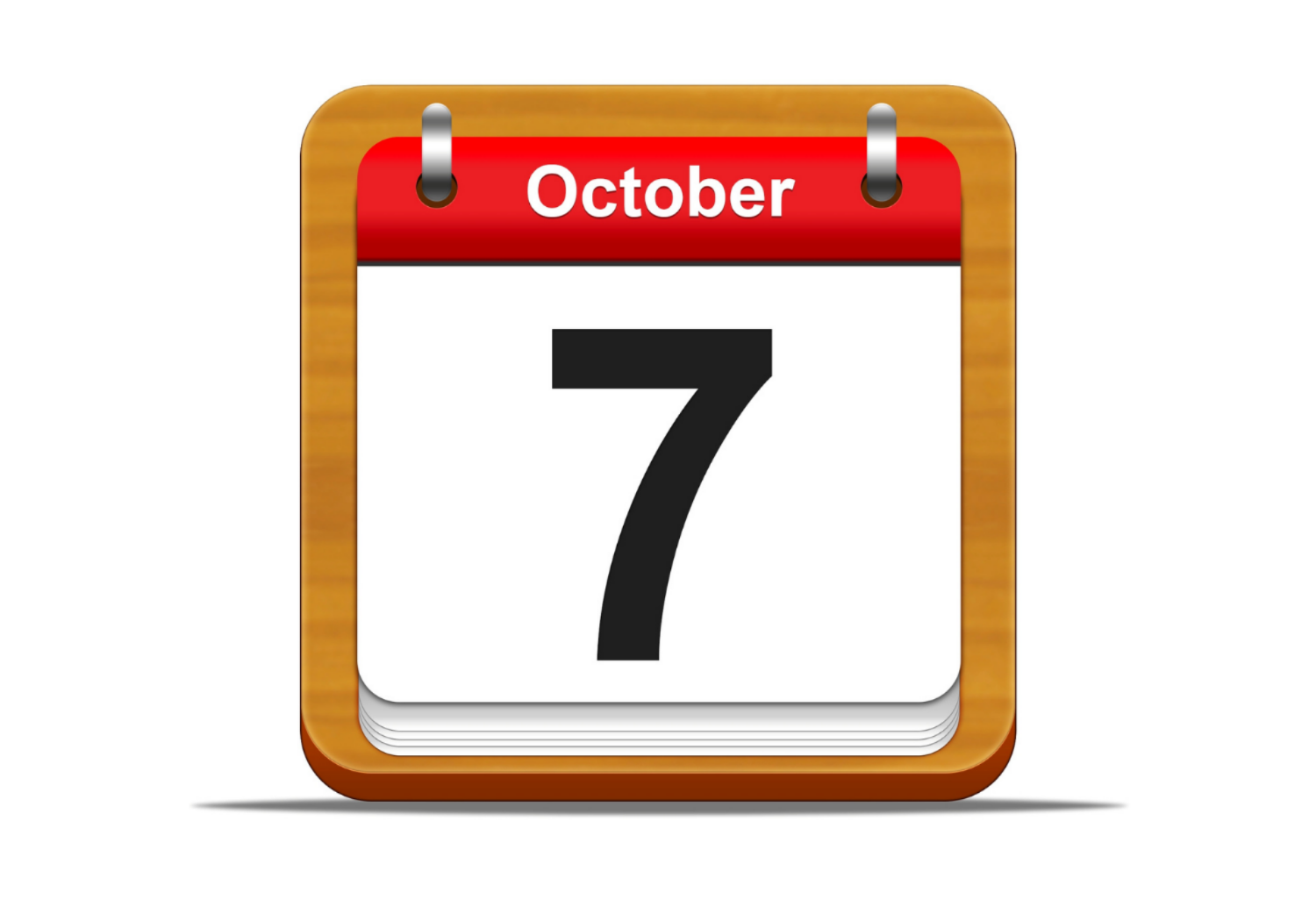
According to him, if you “add 13 days” to that calculation, the true rapture date would actually fall on October 7–8, not September 23–24.
 The Danger of Doubling Down
This kind of reinterpretation isn’t new. False prophets throughout history have adjusted their timelines whenever prophecies failed, hoping to preserve credibility. Yet Scripture warns us against this very behavior.
“But the prophet, which shall presume to speak a word in my name, which I have not commanded him to speak… even that prophet shall die.” — Deuteronomy 18:20
“When a prophet speaketh in the name of the Lord, if the thing follow not, nor come to pass, that is the thing which the Lord hath not spoken.” — Deuteronomy 18:22
When a prediction doesn’t happen, the Biblical response is not to “find a new date,” but to repent and stop misleading others.
Sadly, rather than humbling himself, Joshua continued teaching his followers to expect the rapture on the “adjusted” date in October — a move that can only lead to more confusion and disappointment.
 Hard Hearts and Delayed Repentance
The longer a person resists repentance, the harder the heart becomes. Just like Pharaoh in Exodus, who repeatedly ignored God’s warnings, pride can make us blind to truth.
Every believer, no matter how sincere, must remember: being wrong is not the same as being false, but refusing to admit wrong can turn sincerity into deception.
“He that covereth his sins shall not prosper: but whoso confesseth and forsaketh them shall have mercy.” — Proverbs 28:13
If Brother Joshua — or anyone who follows him — simply turned back to God’s Word, there would be mercy, not condemnation.
The Lord delights in restoring those who humble themselves. Share on X True Hope: Christ’s Return, Not Our Predictions
It’s easy to understand why believers get excited about Jesus’ return. Every true Christian longs for the day when He appears. But Jesus Himself warned us not to set dates or trust anyone who claims to know the exact hour.
“But of that day and hour knoweth no man, no, not the angels of heaven, but my Father only.” — Matthew 24:36
Our hope isn’t in calendars or calculations. It’s in Christ alone.
The Lord’s return is certain — but the timing is hidden for our good, so that we remain watchful, not worried. Share on XWhen false prophecies fall apart, we shouldn’t mock or despair. We should learn. God calls His people to discernment, not deception — to readiness, not date-setting.
 Always Be Ready
The right response to a failed prophecy is repentance and a renewed focus on God’s Word. Those who predicted specific dates for the rapture must remember that faithfulness to Scripture matters more than being “first to know.”
If you’ve ever been misled by a false date, don’t lose heart. Turn back to Jesus, who said,
“Be ye also ready: for in such an hour as ye think not the Son of man cometh.” — Matthew 24:44
To go deeper into why Jesus didn’t reveal the specific timing of His return, I encourage you to read this next article –
Did Jesus Know the Hour of His Return?
May this remind every believer to stay faithful, patient, and watchful — trusting not in man’s predictions, but in the unshakable promises of God.
WATCH THE VIDEO
















Recent Comments