
Shaykh Uthman RUNS UP On Australian Christian & Gets EXPOSED!
The resurrection of Jesus Christ stands at the center of Christianity. Because of that, critics often attack the Gospel accounts surrounding the empty tomb.
In this discussion, Shaykh Uthman Ibn Farooq compares Matthew and Luke, arguing that differences concerning the women, angels, and stone create contradictions.
But different details do not automatically equal contradictions. The question is whether the Gospel writers actually deny one another or simply emphasize different parts of the same event.
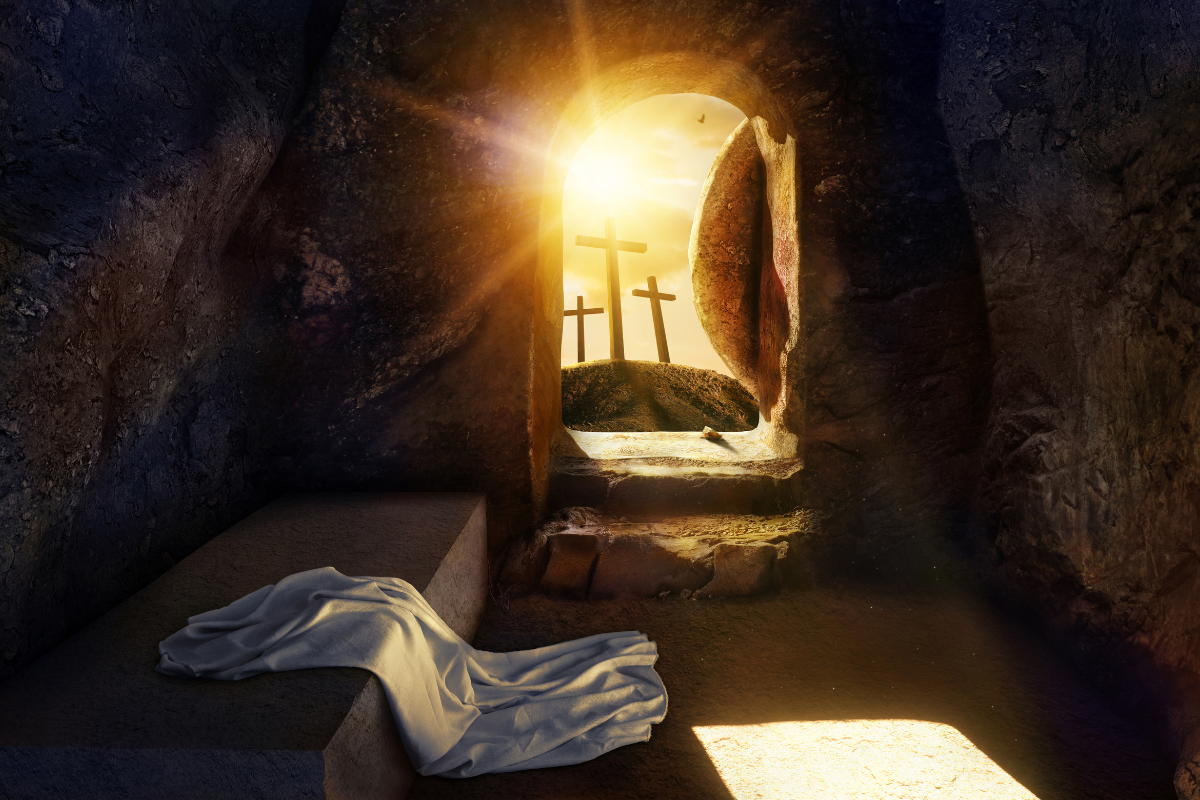 Matthew Names Mary Magdalene and the Other Mary
Matthew identifies Mary Magdalene and the other Mary as going to the tomb.
“In the end of the sabbath, as it began to dawn toward the first day of the week, came Mary Magdalene and the other Mary to see the sepulchre.” — Matthew 28:1
Matthew then describes an earthquake and an angel who rolled away the stone.
“And, behold, there was a great earthquake: for the angel of the Lord descended from heaven, and came and rolled back the stone from the door, and sat upon it.” — Matthew 28:2
Most importantly, the angel announces Christ’s resurrection.
“He is not here: for he is risen, as he said.” — Matthew 28:6
The passage could hardly be clearer.
Jesus was crucified, the tomb was empty, and He had risen. Share on X Luke Mentions Other Women
Luke gives additional information.
“Now upon the first day of the week, very early in the morning, they came unto the sepulchre, bringing the spices which they had prepared, and certain others with them.” — Luke 24:1
Luke later names more of the women.
“It was Mary Magdalene, and Joanna, and Mary the mother of James, and other women that were with them.” — Luke 24:10
This does not contradict Matthew.
Matthew never says only Mary Magdalene and the other Mary went to the tomb. Luke simply provides additional names. The video stresses that critics can create an apparent contradiction by quietly adding the word “only” where Scripture never uses it.
If one witness says, “John and Peter attended,” while another says, “John, Peter, James, and others attended,” both statements can be true.
 What About One Angel Versus Two?
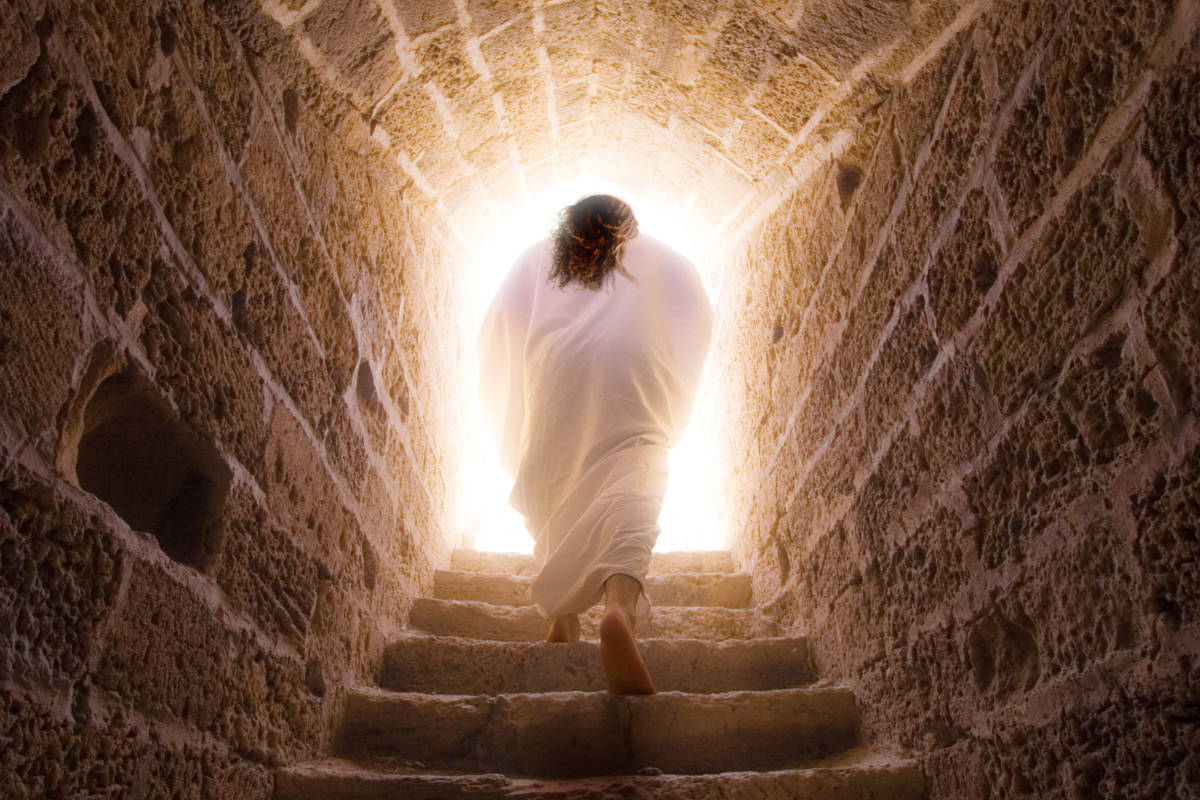
Matthew focuses on one angel, while Luke says:
“And it came to pass, as they were much perplexed thereabout, behold, two men stood by them in shining garments.” — Luke 24:4
Again, Matthew never says only one angel was present.
If two angels were there, one angel was certainly there. Matthew can focus on the angel who rolled away the stone or spoke while Luke records both heavenly messengers.
Luke’s message is also identical to Matthew’s central claim:
“Why seek ye the living among the dead? He is not here, but is risen.” — Luke 24:5–6
One account supplying more information than another is not necessarily a contradiction.
 The Eyewitness Illustration (Apply the Same Standard Consistently)
The Australian Christian in the discussion compared the Gospels to eyewitness testimony in a homicide investigation. Police often separate witnesses because independent witnesses naturally emphasize different details while agreeing about the central event.
Shaykh Uthman responded with an example involving someone being punched or kicked. If one witness says “punched” and another says “kicked,” but only a punch happened, then someone is wrong.
But that assumes only one action happened.
If the person was both punched and kicked, one witness could mention the punch while another mentions the kick. Different details would then complement rather than contradict each other.
That same distinction matters when reading the resurrection narratives.
The discussion also highlights an important apologetic strategy: apply the critic’s standard back to his own worldview.
Muslims commonly affirm that the Torah, Psalms, and Gospel were originally revelations from God while also claiming those Scriptures were later corrupted.
That raises a serious question: if being God’s Word guarantees that a revelation cannot be corrupted, how could earlier revelations from God become corrupted?
Christians should not remain permanently on the defensive. When someone proposes a standard for disproving Christianity, examine whether that standard also creates problems for his own position.
 The Central Resurrection Testimony Remains
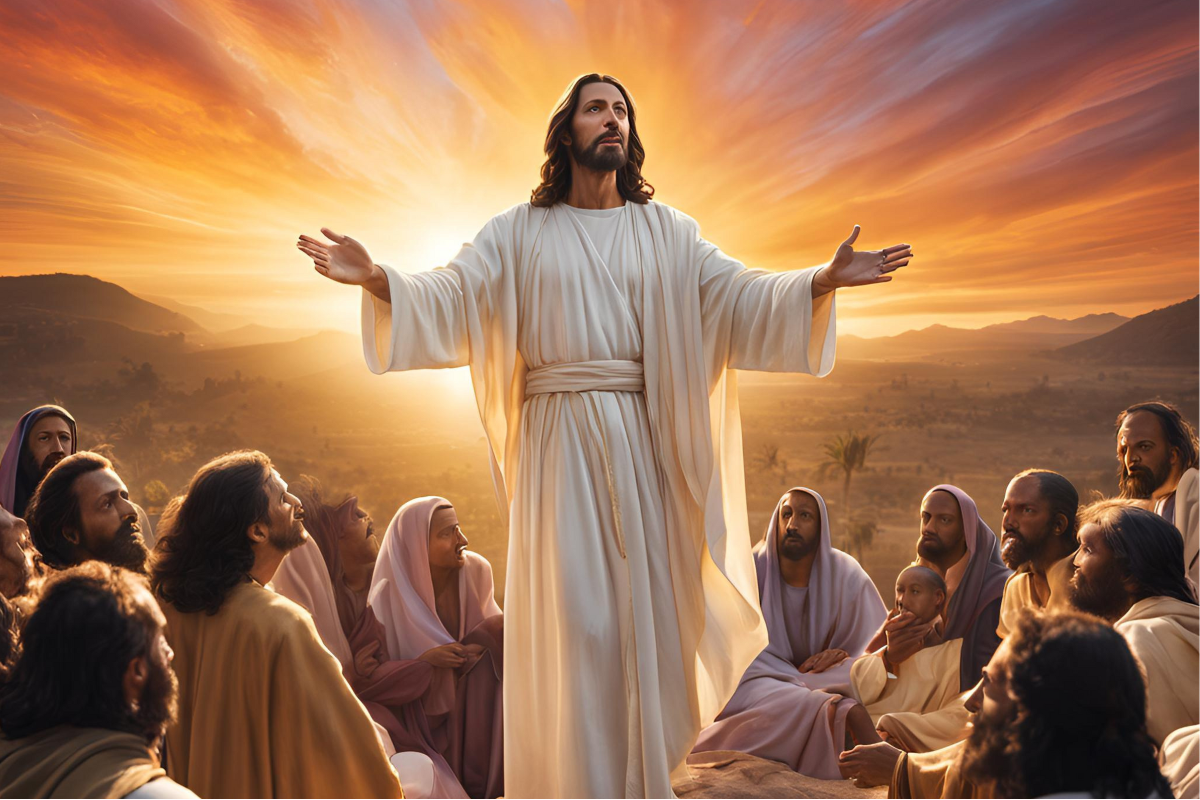
Matthew and Luke differ in emphasis, but they agree on the essential event.
The women came to the tomb.
The stone had been moved.
The tomb was empty.
Heavenly messengers announced that Christ had risen.
Jesus appeared alive afterward.
Paul summarizes the same message:
“And that he was buried, and that he rose again the third day according to the Scriptures.” — 1 Corinthians 15:4
The resurrection accounts deserve careful reading, not quick accusations of contradiction. When we refuse to insert words such as “only” into the text, many supposed contradictions disappear.
Want to see another Christian-Muslim encounter? In this other video, Shaykh Uthman approaches a group of Christians and challenges their belief that Jesus is God, using passages that describe Christ as a prophet, mediator, and Son.
WATCH THE VIDEO















Recent Comments