
Understanding The Old Testament (& How It Helps With The New Testament)
If you’ve ever felt like the Old Testament is difficult to follow or disconnected from the New Testament, you’re not alone. But once you understand how it’s structured, everything starts to make sense.
The Old Testament, also known as the Hebrew Bible, is not a random collection of books. It’s intentionally organized into three major sections that work together to tell one unified story.
When you grasp this structure, your Bible reading becomes clearer, deeper, and far more powerful.
Let’s break it down.
 The Tanakh: One Bible, Three Sections
The Hebrew Bible is often referred to as the Tanakh, a word formed from the three sections that make it up:
- Torah (The Law)
- Nevi’im (The Prophets)
- Ketuvim (The Writings)
Each section plays a unique role, but together they form a complete picture of God’s plan—past, present, and future.
 The Torah: The Foundation of Everything
The Torah refers to the first five books of the Bible: Genesis, Exodus, Leviticus, Numbers, and Deuteronomy. These are often called the books of Moses.
This section lays the groundwork for everything else in Scripture. It answers foundational questions: Where did we come from? Who is God? How does He relate to humanity?
You see creation, the fall, the flood, and the rise of the patriarchs—Abraham, Isaac, and Jacob. You also see God forming a nation through Israel and giving them His law.
This is not just history; it’s the blueprint.
“In the beginning God created the heaven and the earth.” — Genesis 1:1
“Wherefore the law was our schoolmaster to bring us unto Christ…” — Galatians 3:24
Even the sacrificial system in Leviticus points forward to something greater. It prepares you to understand why Jesus came and what He accomplished on the cross.
Without this foundation, the New Testament can feel confusing. But with it, everything clicks.
 The Prophets: The Promise of What’s Coming
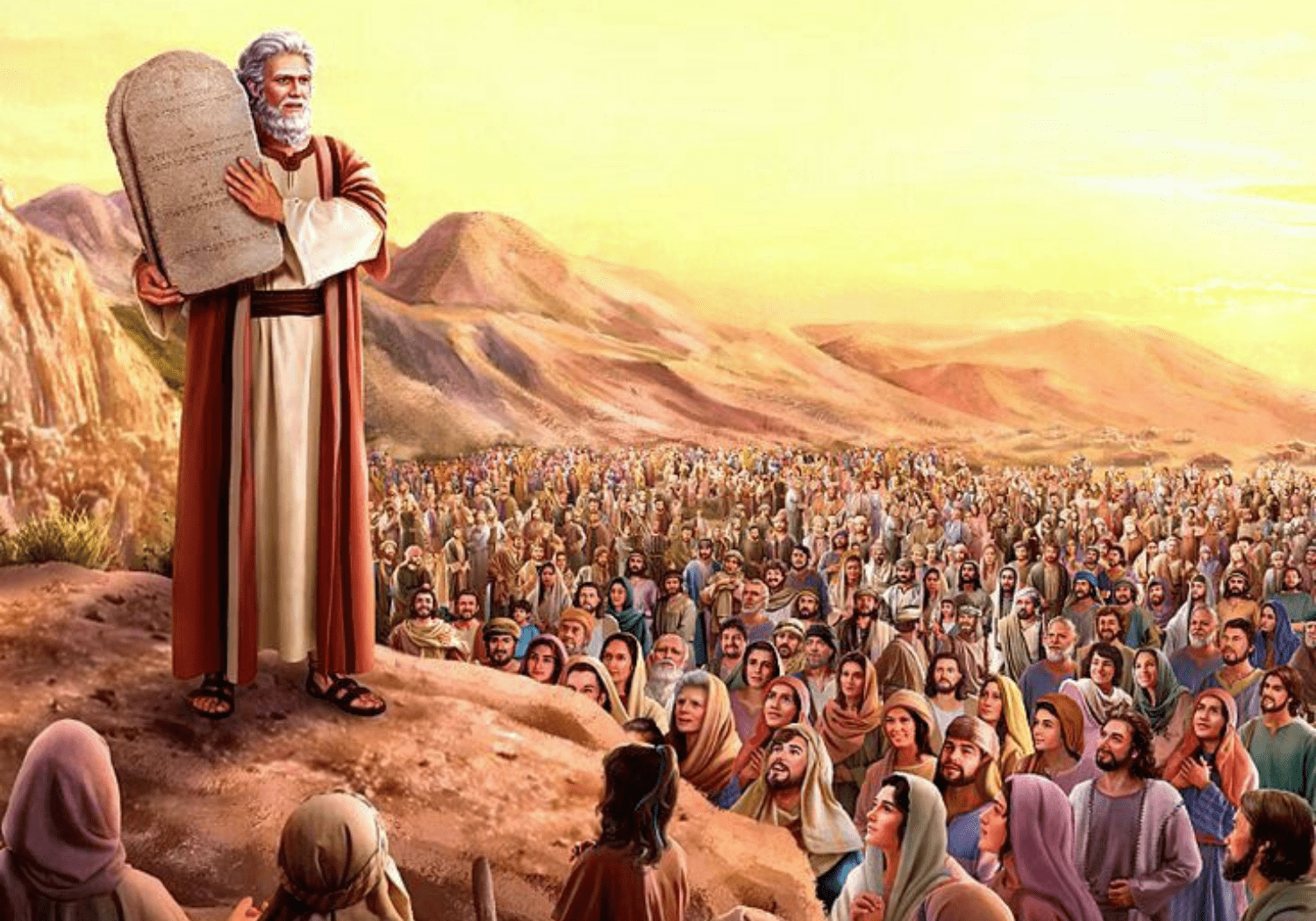
The second section, the Nevi’im, includes both major and minor prophets.
The distinction isn’t about importance; it’s about length. Major prophets like Isaiah, Jeremiah, and Ezekiel wrote longer books, while minor prophets like Amos, Micah, and Obadiah wrote shorter ones.
But their message is unified.
The prophets build on the foundation of the Torah and point forward. They call people back to God while also revealing what God is going to do next.
They speak about judgment, restoration, and most importantly, the coming Messiah.
“For unto us a child is born, unto us a son is given…” — Isaiah 9:6
“Behold, the days come, saith the Lord, that I will make a new covenant…” — Jeremiah 31:31
One powerful thing about the prophets is their consistency. They don’t contradict what came before; they confirm it. They constantly point back to the Law of Moses while also pointing forward to fulfillment.
The Scripture is unified. God doesn’t change His message; He unfolds it. Share on X The Writings: How to Live It Out Daily
The final section, the Ketuvim, includes books like Psalms, Proverbs, and Ecclesiastes.
This is where things get personal.
While the Torah focuses on the past and the prophets focus on the future, the writings focus on the present: your everyday life.
This section teaches you how to think, how to feel, and how to live.
“The Lord is my shepherd; I shall not want.” — Psalm 23:1
“Trust in the Lord with all thine heart…” — Proverbs 3:5
These books meet you in real life. When you’re struggling, you go to the Psalms. If you need wisdom, you go to Proverbs. When you’re trying to make sense of life, you go to Ecclesiastes.
There’s a reason people have said for generations: read a proverb a day. It shapes how you think and helps you avoid unnecessary mistakes.
A simple way to put it:
- The Torah gives you the foundation
- The Prophets show you the fulfillment
- The Writings help you move forward
 How It All Comes Together
When you step back and look at the full picture, you start to see the brilliance of how the Bible is structured.
The past (Torah) shows what God has done.
The future (Prophets) shows what God will do.
The present (Writings) shows how you should live in light of both.
And when you understand that, the New Testament is no longer confusing. It’s the continuation and fulfillment of everything that came before.
It’s like turning on a light in a dark room. Suddenly, everything becomes clear.
 Why This Matters for Your Bible Study
Understanding this structure doesn’t just give you knowledge; it transforms how you read Scripture. You stop seeing isolated stories and start seeing one unified message.
You recognize that nothing in the New Testament appears out of nowhere. The themes, the promises, and even the language are all rooted in what came before. Spending time in the Old Testament isn’t optional; it’s essential.
When you approach the Bible through this lens, you begin to see God’s consistency, His faithfulness, and His plan unfolding across time. Share on XIt strengthens your faith because you realize if God kept His word in the past, you can trust Him to keep His word in the future.
And right now, in your present life, you have the wisdom you need to move forward.
To go deeper into this topic, especially how the New Testament writers viewed Scripture, check out this article. This will help you see how the New Testament connects even more powerfully to everything you’ve just learned, and why it carries the authority it does.
WATCH THE VIDEO












Recent Comments