
Can Christians Pray To Jesus Or The Holy Spirit?
Many Christians understand that God is triune. We believe in the Father, the Son, and the Holy Spirit as one God. But when it comes to prayer, a common question arises: who should we actually be praying to?
Should we only pray to the Father? Or is it Biblical to speak directly to Jesus or even the Holy Spirit?
This question matters because prayer is not just a routine. It is how we communicate with God. And if we misunderstand it, we may limit something God never intended to restrict.
Let’s walk through what Scripture actually teaches.
 The Pattern Jesus Gave for Prayer
When Jesus taught His disciples how to pray, He gave them a clear structure. This is what many Christians follow today as the standard approach.
“But when ye pray, use not vain repetitions, as the heathen do: for they think that they shall be heard for their much speaking.
Be not ye therefore like unto them: for your Father knoweth what things ye have need of, before ye ask him.
After this manner therefore pray ye: Our Father which art in heaven, Hallowed be thy name…” – Matthew 6:7–13
Jesus directs prayer to the Father. He emphasizes sincerity over repetition and shows that God already knows our needs.
This is where many believers stop. They see this as the only acceptable way to pray. But that was never the full picture. Jesus was giving a pattern, not a limitation.
The common expression we use today reflects this pattern: we pray to the Father, in the name of the Son, through the power of the Holy Spirit. That framework is Biblical and helpful, but it is not the only way Scripture shows prayer happening.
 Jesus Invites Us to Ask in His Name
Later, during His final teaching to the disciples, Jesus expands our understanding of prayer.
“Believe me that I am in the Father, and the Father in me…
And whatsoever ye shall ask in my name, that will I do, that the Father may be glorified in the Son.
If ye shall ask any thing in my name, I will do it.” – John 14:11–15
Notice what Jesus is saying. When believers ask in His name, He Himself responds.
This is powerful.
Prayer is not disconnected between the Father and the Son. There is unity within the Godhead. When you pray, you are not speaking into a divided system. You are engaging with one God who works in perfect harmony.
From a personal standpoint, this changed how I approached prayer. There were moments where I felt like I had to follow a strict script just to be heard. But Scripture shows something deeper. It shows a relationship.
When you call on Jesus, you are not stepping outside of Biblical prayer. You are engaging with the One who promised to act on behalf of those who believe in Him.
 Stephen Prayed Directly to Jesus
One of the clearest examples comes from the early church. As Stephen was being killed for his faith, he did something remarkable.
“But he, being full of the Holy Ghost, looked up stedfastly into heaven, and saw the glory of God, and Jesus standing on the right hand of God…
And they stoned Stephen, calling upon God, and saying, Lord Jesus, receive my spirit.” – Acts 7:55–60
In his final moments, Stephen did not hesitate. He spoke directly to Jesus.
He asked Jesus to receive his spirit and even echoed language from the Psalms, applying it to Christ. This shows that early Christians understood Jesus not just as a messenger but as God who hears and responds.
This is not a casual example. This is a life-and-death moment. And in that moment, Stephen’s instinct was to call on Jesus.
That should tell us something.
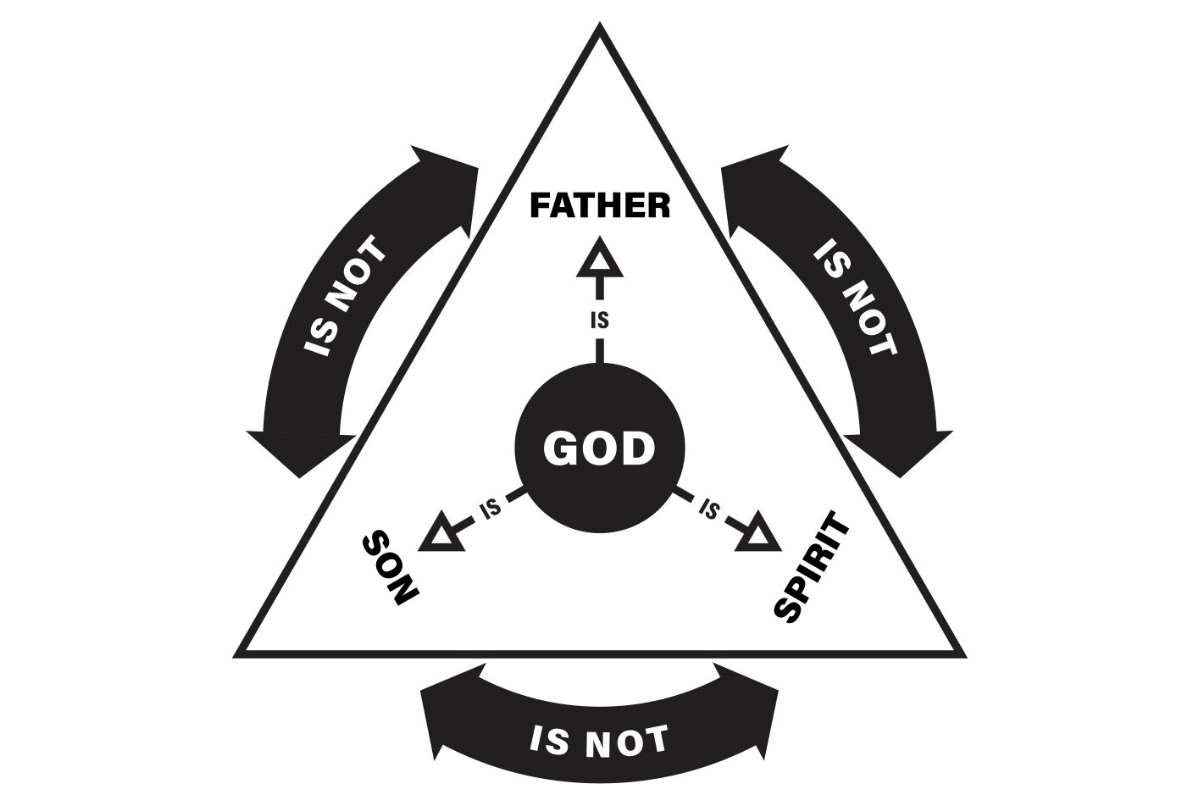 The Trinity in Blessing and Invocation
The New Testament also shows how the Father, Son, and Holy Spirit are invoked together.
“The grace of the Lord Jesus Christ, and the love of God, and the communion of the Holy Ghost, be with you all. Amen.” – 2 Corinthians 13:14
This is more than a closing statement. It is a blessing that calls upon all three persons of the Trinity. It reflects how believers relate to God. Not in isolation, but in unity.
Even in everyday language, we do this without realizing it. When we say “God bless you,” we are making a request. We are asking God to act.
Paul’s words show that invoking Jesus and the Holy Spirit alongside the Father is completely consistent with Biblical faith.
 Prayer Is Relational, Not Mechanical
One of the biggest mistakes people make is turning prayer into a rigid formula. Jesus warned against empty repetition. Yet many replace that with a different kind of routine, one that feels more like a script than a relationship.
The truth is simple. Yes, praying to the Father is the most common pattern. But Scripture never forbids speaking to Jesus. It never discourages acknowledging the Holy Spirit in prayer.
Instead, it shows a living relationship with a triune God.
So, can Christians pray to Jesus or the Holy Spirit? The Biblical answer is yes.
The standard pattern is to pray to the Father. But Scripture clearly shows believers speaking to Jesus, calling on Him, and expecting Him to respond. It also shows the Holy Spirit included in the life and experience of prayer.
Understanding this deepens your relationship with God rather than limiting it.
If you want to go deeper into how the Trinity works, especially the role of the Holy Spirit, I highly recommend reading the next article.
This will help you see how the Holy Spirit is not just a force, but a person actively involved in your walk with God and even in your prayers.
WATCH THE VIDEO
















Recent Comments