
Matthew 5:22 vs Matthew 23:17 Explained!
One of the most common objections raised against the Gospels is the claim that Jesus contradicted Himself. A popular example often cited is the apparent tension between Matthew 5:22 and Matthew 23:17.
In one passage, Jesus warns against calling someone a fool. In another, He openly calls religious leaders fools.
At first glance, that feels like a problem. But when these passages are read carefully—within their context and purpose—the supposed contradiction dissolves.
This is not a case of Jesus failing His own standard. It’s a case of readers missing what He was actually teaching.
 Raising the Bar: What Jesus Is Doing in Matthew 5
Matthew 5 takes place during the Sermon on the Mount. This is where Jesus repeatedly takes what people thought was righteousness and exposes how shallow their understanding really was. He doesn’t lower God’s standard—He intensifies it.
The purpose is not moral self-improvement. The purpose is conviction.
Jesus presses His listeners to realize that even anger, careless speech, and unexamined motives expose the heart. The Law was never meant to make people feel capable—it was meant to show them their need for grace.
“But I say unto you, That whosoever is angry with his brother without a cause shall be in danger of the judgment…” – Matthew 5:22
The emphasis here is not on the word “fool” itself. The emphasis is on anger without cause and speech without truth.
Jesus is warning against reckless, groundless accusations—speech that flows from pride, hatred, or contempt rather than truth and righteousness. The danger He describes is not automatic condemnation but moral peril.
Notice the repeated phrase: “in danger.”
Jesus is issuing a warning, not passing a final sentence.
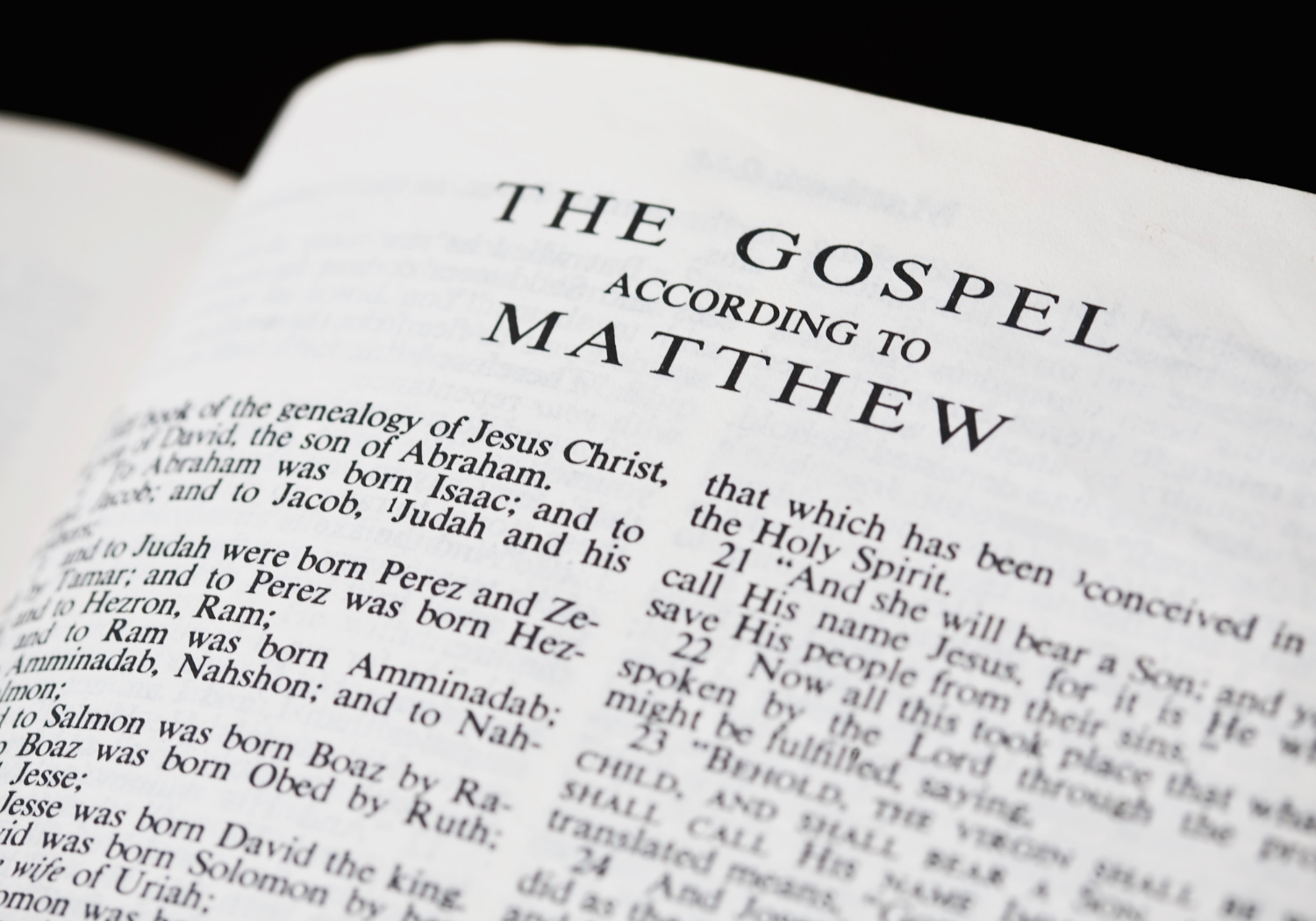 Matthew 23:17 — A Righteous Rebuke
“Ye fools and blind: for whether is greater, the gold, or the temple that sanctifieth the gold?” – Matthew 23:17
In Matthew 23, Jesus is not speaking casually. He is confronting religious leaders who were actively misleading God’s people. This is a prophetic rebuke—not an emotional insult.
They were distorting God’s law, elevating tradition over truth, and presenting themselves as righteous while corrupting others.
Calling that behavior foolish was not baseless. It was accurate.
Scripture consistently distinguishes between truthful judgment and careless condemnation.
“The fear of the LORD is the beginning of wisdom: but fools despise wisdom and instruction.” – Proverbs 1:7
 Why Context Matters More Than Soundbites
Throughout the Gospels, Jesus regularly uses the language of wisdom literature. He speaks of foolish builders, foolish virgins, and blind guides. In each case, the label is attached to conduct—not emotion.
The issue Jesus condemns in Matthew 5 is speaking falsely or maliciously, not identifying genuine folly.
This distinction matters because Scripture repeatedly calls God’s people to speak truth—even when it confronts error.
“Open rebuke is better than secret love.” – Proverbs 27:5
Some critics point to textual discussions surrounding the phrase “without a cause.” While certain early manuscripts omit it, the overall teaching remains unchanged.
Even without those words, the structure of the passage still emphasizes danger, not certainty. Jesus is urging restraint, humility, and reconciliation—not silence in the face of error.
The very next verses reinforce this by calling believers to make things right with others and to act with wisdom, not impulse.
 Jesus Wasn’t Contradicting Himself—He Was Teaching Discernment
The harmony between Matthew 5 and Matthew 23 becomes clear when we understand this principle:
Jesus condemns baseless insult, not truthful correction.
Calling someone foolish because it feels good is a sin.
Calling something foolish because it is false and destructive is wisdom.
The same Christ who warns against careless speech is the Christ who exposes hypocrisy without apology.
When Scripture is read as a whole—rather than isolated for argument—its consistency becomes clear. Jesus did not violate His own teaching. He embodied it.
Truth spoken rightly is never condemned by God. Share on XIf you want to go deeper into how Jesus’ hard sayings are often misunderstood, I strongly encourage you to read this next article.
It explores another passage that critics frequently misuse and shows how careful reading restores clarity and confidence in Christ’s words.
WATCH THE VIDEO















Recent Comments