
Muslim Tries To TRIGGER Elderly Christian & Gets EXPOSED!
A street discussion between a Muslim preacher and an elderly Christian quickly developed into a much bigger question: Who exactly is Jesus Christ?
The Muslim argued that Jesus could be called a Muslim because He submitted Himself to God’s will. The Christian, however, maintained that Jesus is the Son of God.
That distinction matters. The discussion was not merely about the meaning of the word “Muslim,” but about whether the Jesus revealed in Scripture believed, worshipped, and taught the same theology that Islam teaches today.
 Did Jesus Submit to God? Was Jesus Just a Man?
Muslims sometimes point to Jesus submitting to the Father and argue that this makes Him a Muslim. Certainly, Jesus submitted Himself to the Father. He taught His disciples to pray for God’s will to be done:
“Thy kingdom come. Thy will be done in earth, as it is in heaven.” — Matthew 6:10
But simply submitting to God does not establish that Jesus followed Islam. The real question becomes: Who is the God Jesus revealed?
Throughout the Gospels, Jesus speaks of God as His Father. Christianity also teaches something Islam explicitly rejects: Jesus is not merely a human messenger but the unique Son of God.
During the conversation, the Muslim preacher asked whether Jesus was a man or God. The Christian repeatedly described Him as the Son of God, while the Muslim acknowledged Jesus’ miraculous birth, Messiahship, and role as a messenger but rejected His deity.
John 8 provides one of the most important passages in this discussion:
“Jesus said unto them, Verily, verily, I say unto you, Before Abraham was, I am.” — John 8:58
Jesus did not merely say that God had planned for Him before Abraham. The discussion in John concerns Abraham seeing Christ’s day and Christ’s existence before Abraham. Immediately afterward, His opponents attempted to stone Him.
It also connects this passage with Genesis 18, where the LORD appears to Abraham, Abraham receives Him, and the encounter includes two angels who subsequently travel toward Sodom.
 Jesus Is the Only Way: John 17:3
The conversation then moved to another unmistakable statement from Christ:
“Jesus saith unto him, I am the way, the truth, and the life: no man cometh unto the Father, but by me.” — John 14:6
The Muslim preacher attempted to place Jesus alongside previous prophets as simply another “way” directing people toward God. But Jesus’ statement is far more exclusive.
He does not merely claim to show a way. He says, “I am the way.” More importantly, He declares that no man comes to the Father except through Him.
The script highlights this word “only” conceptually: Abraham and Moses could not make the same universal claim concerning access to the Father.
One of the strongest objections raised was John 17:3:
“And this is life eternal, that they might know thee the only true God, and Jesus Christ, whom thou hast sent.” — John 17:3
Does calling the Father “the only true God” exclude Jesus from deity?
The argument presented is that John must be interpreted consistently with John’s other writings. John distinguishes the Father from the Son without denying the Son’s divine identity.
Notice how John describes Jesus elsewhere:
“That which was from the beginning, which we have heard, which we have seen with our eyes… concerning the Word of life… that eternal life, which was with the Father, and was manifested unto us.” — 1 John 1:1–2
Jesus is described as the eternal life who was with the Father and was manifested to mankind. The same theme appears near the end of the epistle:
“And we know that the Son of God is come… This is the true God, and eternal life.” — 1 John 5:20
It therefore argues that John 17:3 cannot be isolated from John’s broader presentation of Christ. John distinguishes Jesus from the Father while simultaneously presenting Christ as eternal life and the true God.
 Can an Immortal God Die?
The discussion eventually turned to the crucifixion. The Muslim preacher appealed to God’s immortality:
“Who only hath immortality, dwelling in the light which no man can approach unto…” — 1 Timothy 6:16
The objection was straightforward: if God is immortal, how could Jesus die?
The Christian explanation presented that Jesus possesses both a divine and human nature. His genuine human body experienced death; this does not mean His divine nature ceased to exist.
Jesus Himself gives an extraordinary statement concerning His resurrection:
“Destroy this temple, and in three days I will raise it up.” — John 2:19
John explains that Jesus was speaking about the temple of His body. Christ therefore speaks of His death while claiming that He Himself will raise His body again.
It presents this as another important piece of evidence for understanding His divine identity.
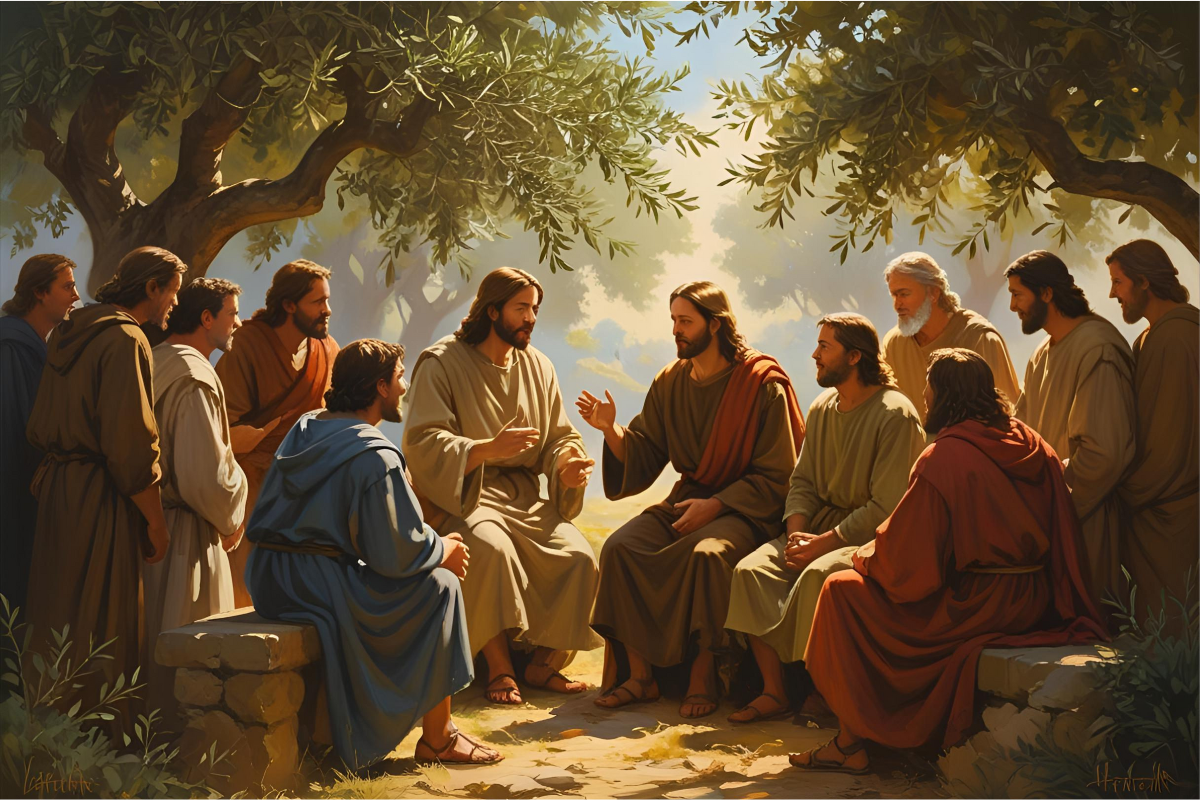 The Real Question: Who Is Jesus?
The elderly Christian in this conversation may not have explained every theological point with technical precision, but he continually returned to one central conviction: Jesus is the Son of God, He came to deal with sin, and He offers salvation to those who come to Him.
That is ultimately where the Christian-Muslim disagreement becomes unavoidable. Christianity does not merely present Jesus as another prophet who submitted to God.
Scripture presents Him as the eternal Son, the Word made flesh, the only way to the Father, the true God and eternal life, who died and rose again.
The question, therefore, is bigger than “Was Jesus a Muslim?”
It is the question Jesus Himself forces every reader to confront: Who is Jesus Christ?
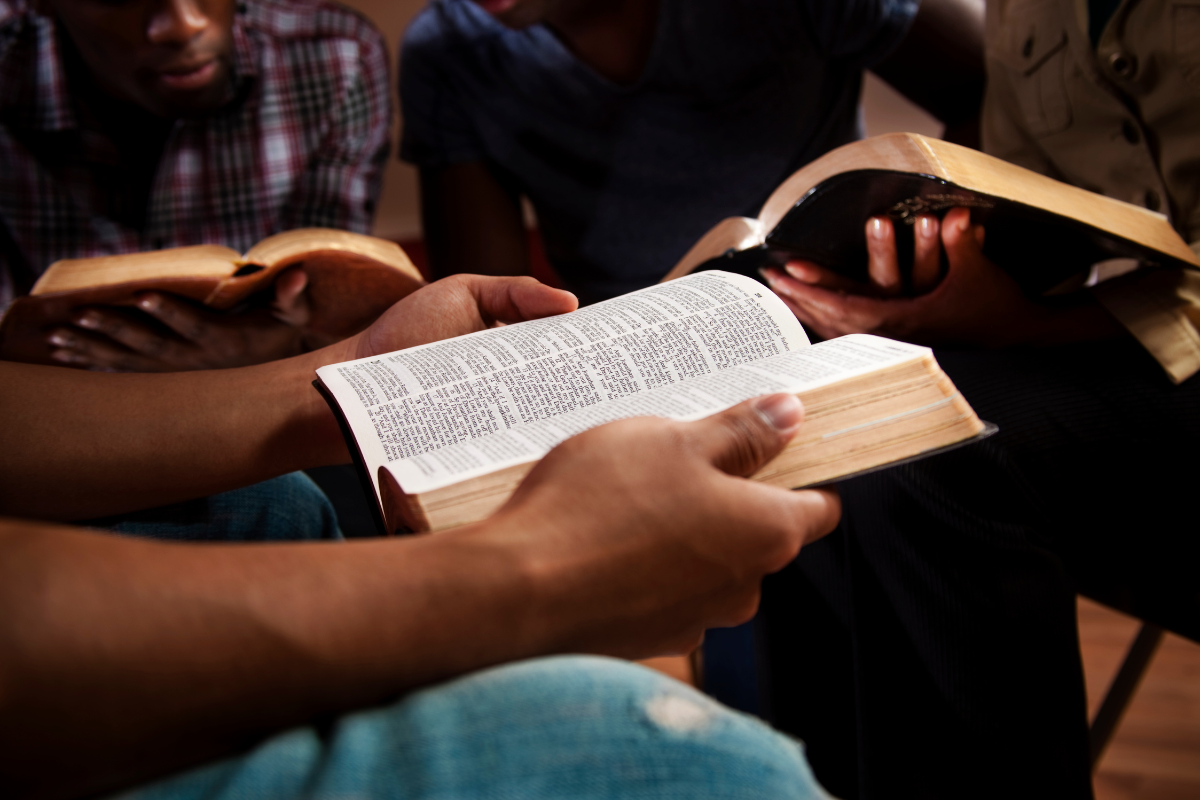 Keep Studying and Be Ready to Give an Answer
Conversations like this show why Christians need to know not only what they believe about Jesus, but why they believe it. Questions about Christ’s deity, the Trinity, His relationship with the Father, and His death and resurrection can arise quickly.
We should therefore prepare ourselves to open the Scriptures, examine each passage in context, and clearly explain what the Bible teaches about Jesus Christ.
For another example of how these Christian-Muslim discussions unfold, read the next article.
It examines another street encounter that raises questions about Jesus, the Trinity, the resurrection, and Scripture, while demonstrating why Christians need to equip themselves to defend what they believe.
WATCH THE VIDEO















Recent Comments