
Why Did God Allow Polygamy in the Old Testament?
Have you ever wondered why God allowed polygamy—men marrying multiple wives—in the Old Testament, even though the creation account shows God’s original design as one man and one woman?
Many people ask this question when they read about Biblical figures like Abraham, Jacob, David, or Solomon, who all had more than one wife.
At first glance, it seems confusing. If God created Adam and Eve and joined them together as “one flesh,” why do we later see examples of faithful men practicing something so different from God’s design?
Was God approving polygamy, or was something else happening? Let’s look at Scripture carefully and trace the truth step by step.
 The First Example of Polygamy: Lamech
The earliest example of polygamy appears as early as Genesis 4 with a man named Lamech, who took two wives. This act set a precedent that would ripple through the rest of the Old Testament.
But this already contrasts with God’s creation design. In Genesis 2:24, the Bible says:
“Therefore shall a man leave his father and his mother, and shall cleave unto his wife: and they shall be one flesh.” – Genesis 2:24
Not wives, but wife. From the beginning, marriage was intended to be a union between one man and one woman. When we read about polygamy later on, we must remember it never lined up with God’s first and perfect design.
 God’s Instructions for Kings
The clearest evidence that God was never in favor of polygamy appears in Deuteronomy 17. Here, God gave specific instructions for Israel’s future kings:
“Neither shall he multiply wives to himself, that his heart turn not away: neither shall he greatly multiply to himself silver and gold.” – Deuteronomy 17:17
God explicitly warned kings not to take many wives, just as He warned them not to multiply horses or riches. Why? Because these things would distract their hearts from Him.
Sadly, King Solomon became the tragic fulfillment of this warning. Though God gave him unmatched wisdom, Solomon’s many wives eventually turned his heart toward idolatry (1 Kings 11:1–4).
He became a living example of the danger God had warned about centuries earlier.
This command also carried symbolic weight. The king of Israel represented the nation before God, and God wanted Israel to reflect His own covenant relationship.
Just as God had one people, His king was to have one wife. Multiplying wives was not only a personal danger but also a distortion of the nation’s calling to represent the Lord faithfully.
 Righteous Men With Multiple Wives
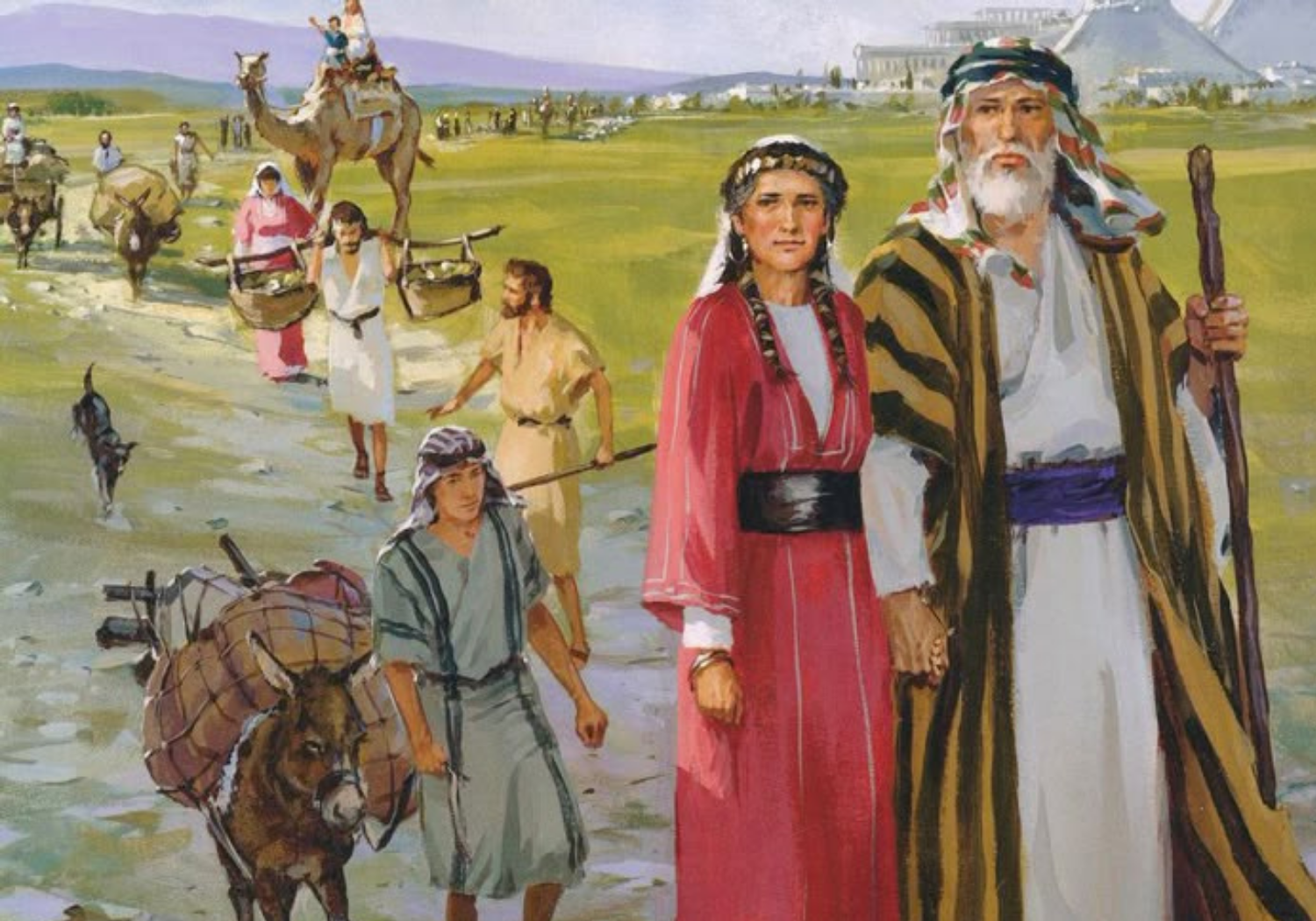
But here’s where many struggle. If God spoke against polygamy, why did men of faith—Abraham, Jacob, David—still take multiple wives? Weren’t these men considered righteous?
This tension is answered by Jesus Himself in Matthew 19. When questioned about divorce, the religious leaders asked why Moses permitted a bill of divorcement. Jesus replied:
“Moses because of the hardness of your hearts suffered you to put away your wives: but from the beginning it was not so.” – Matthew 19:8
This is the key. God’s original design was one man and one woman. But because of the hardness of human hearts, God permitted certain practices that were less than His ideal.
He allowed them—not because they were good—but because of the people’s stubbornness and sinfulness.
This same principle is seen in Deuteronomy 24, where Moses allowed a man to give his wife a “bill of divorcement.” Again, this was not God’s desire but a concession because of the people’s rebellion.
Polygamy falls under this same category. It was not endorsed by God but tolerated for a time.
And whenever it appears in Scripture, it brings pain and conflict—whether it’s Sarah and Hagar in Abraham’s household, Rachel and Leah competing for Jacob’s affection, or the chaos in David’s family because of rival wives and children.
 God’s Higher Ways
Why, then, did God allow this at all? Part of the answer is that He was dealing patiently with human weakness. If God enforced His perfect standard without any mercy or allowance, no one would survive.
His patience reveals His mercy, even as His Word still calls us upward to His higher design. Share on XIsaiah 55:8–9 reminds us:
“For my thoughts are not your thoughts, neither are your ways my ways, saith the LORD. For as the heavens are higher than the earth, so are my ways higher than your ways, and my thoughts than your thoughts.” – Isaiah 55:8–9
We may not fully understand why God permitted polygamy for a season, but we can trust that His wisdom is greater than ours and that His plan was always moving toward the greater fulfillment in Christ.
 Jesus’ Teaching and the Disciples’ Response: What We Learn From the Old Testament
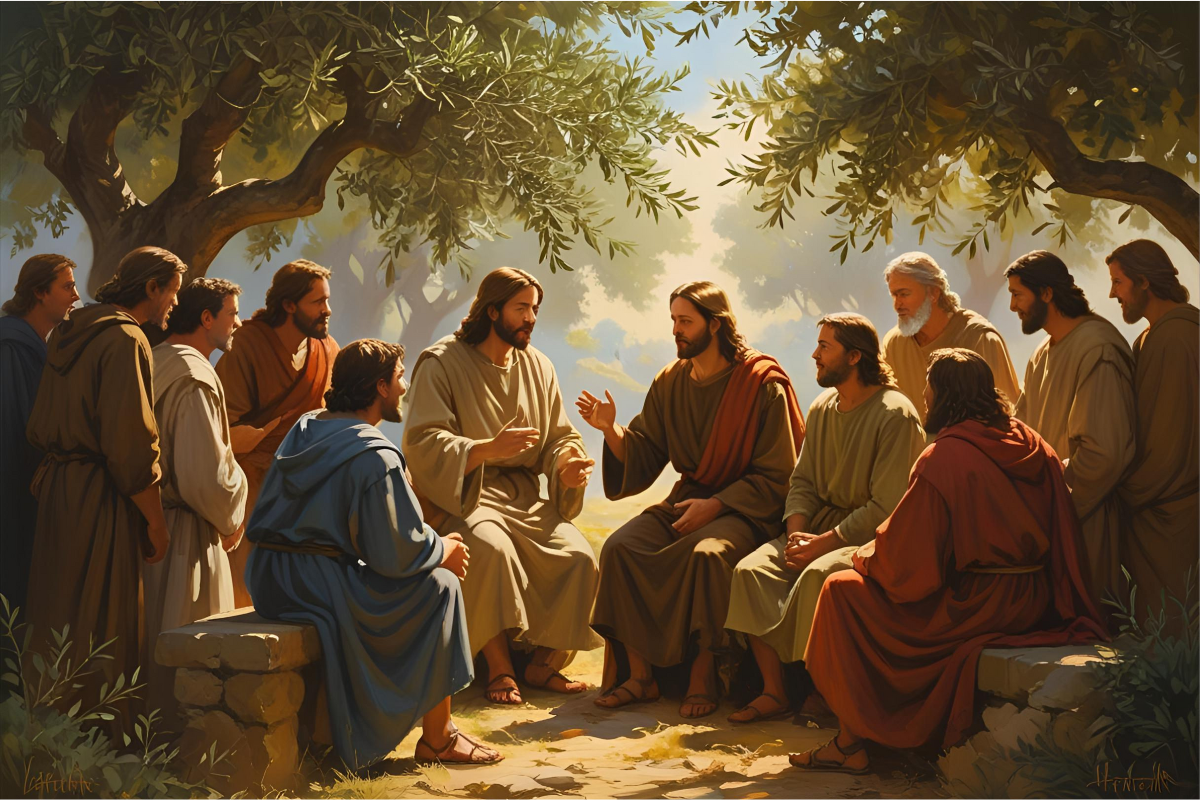
After Jesus explained God’s original intent for marriage in Matthew 19, the disciples reacted by saying, “If this is the case, it is better not to marry.”
Jesus didn’t dismiss them. Instead, He acknowledged that not everyone could accept this teaching, but those who could should embrace it.
Paul echoed this in 1 Corinthians 7, noting that while marriage is honorable, singleness allows undivided devotion to the Lord. Both Jesus and Paul pointed back to God’s design while recognizing the realities of human weakness.
Looking across the Bible, a consistent pattern emerges: whenever men multiplied wives, trouble followed. Lamech boasted in his violence.
Abraham’s household was divided by jealousy. Jacob’s family was filled with rivalry. David’s children rebelled against him. Solomon’s kingdom was torn apart by idolatry.
God’s design never changed. His Word remained the same from Genesis onward—one man and one woman becoming one flesh. Share on XPolygamy was never His will, and its destructive outcomes prove why.
 Not God’s Plan
Polygamy in the Bible was not God’s plan—it was a concession to human hard-heartedness. He allowed it for a time, but it always led to pain, division, and spiritual downfall.
Jesus reaffirmed the original design: one man and one woman joined together by God.
As His people today, we must learn from these lessons. God’s ways are higher, His design is better, and His will brings life. When we follow His pattern, we experience the blessing of marriage as He intended from the very beginning.
To explore more on relationships and God’s design for His people, be sure to read this article: Should Christians Date Unbelievers? A Biblical Perspective.
In the end, God’s Word reveals that He rooted His plan for marriage in love, faithfulness, and unity. As followers of Christ, we reflect that same covenant relationship in our own lives.
WATCH THE VIDEO


















Recent Comments