
Muslim RUNS UP On Bible College Students & Gets EXPOSED Again!
Popular Muslim preacher Shaykh Uthman Ibn Farooq once again approaches Bible college students and attempts to undermine confidence in Scripture.
On the surface, the tactic looks familiar—raise doubts about preservation, question prophecy, and introduce alleged contradictions. But beneath it all is a deeper issue: inconsistency.
This exchange highlights not only the questions being asked but also how quickly those same standards collapse when applied to Islam itself.
The discussion becomes a powerful teaching moment, showing Christians how to think clearly, respond calmly, and avoid unnecessary rabbit trails.
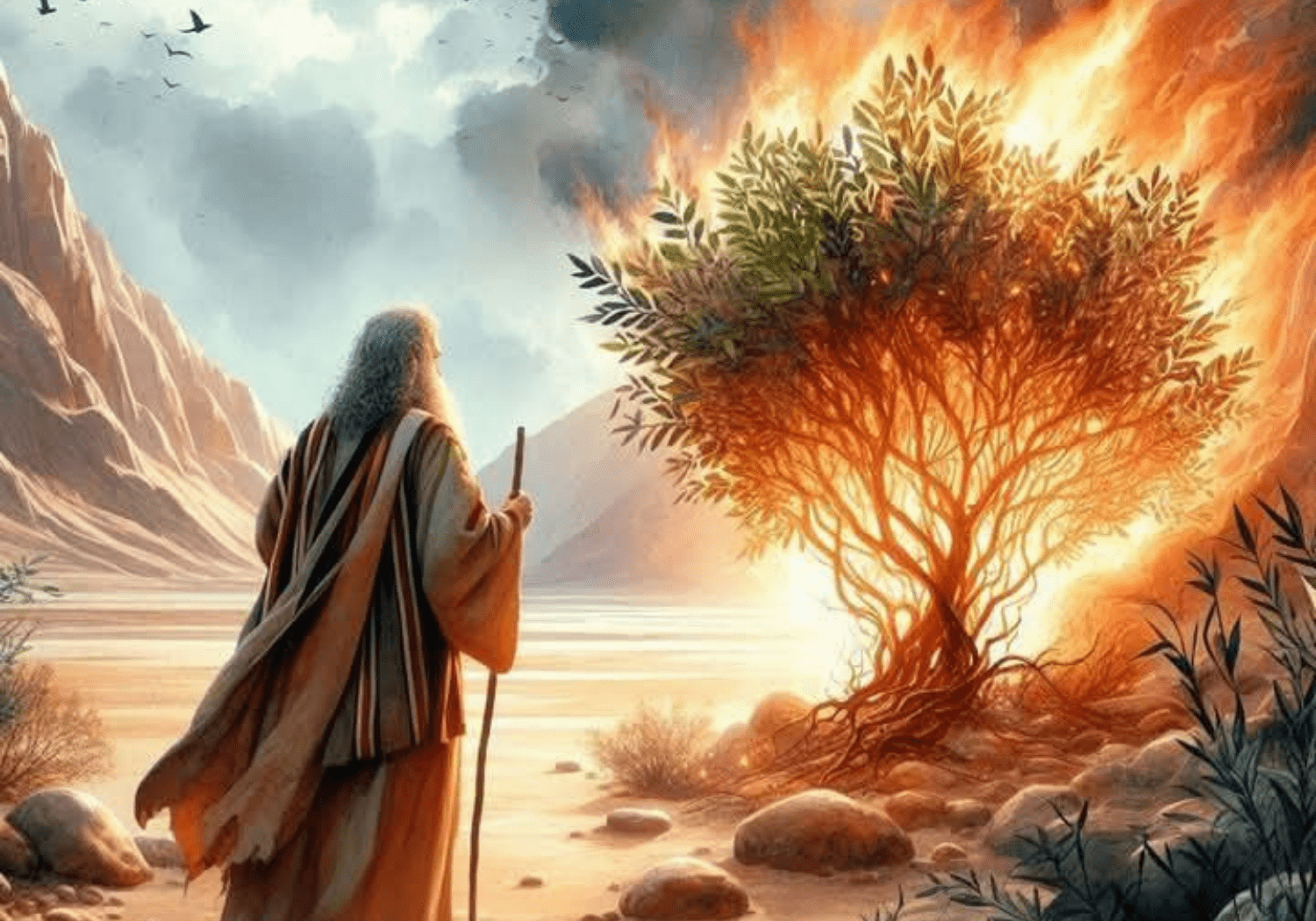 Moses Didn’t Invent His Calling—He Stood in a Line of Promise
One of the central challenges raised is whether Moses truly spoke for God or simply claimed authority for himself. Scripture answers this long before the question is ever asked.
Moses did not appear in a vacuum. His mission was anchored in promises God had already made generations earlier.
Exodus 3–4 shows Moses hesitating, doubting, and even pushing back against God. Far from sounding like a man inventing a story, Moses sounds like someone overwhelmed by a calling he didn’t ask for.
“And Moses said unto God, Who am I, that I should go unto Pharaoh, and that I should bring forth the children of Israel out of Egypt?” — Exodus 3:11
God’s response ties Moses directly to Abraham, Isaac, and Jacob. The deliverance from Egypt wasn’t a new idea—it was the fulfillment of a promise Israel already knew.
This is a crucial apologetic point: true revelation aligns with prior revelation.
God does not contradict Himself. Share on X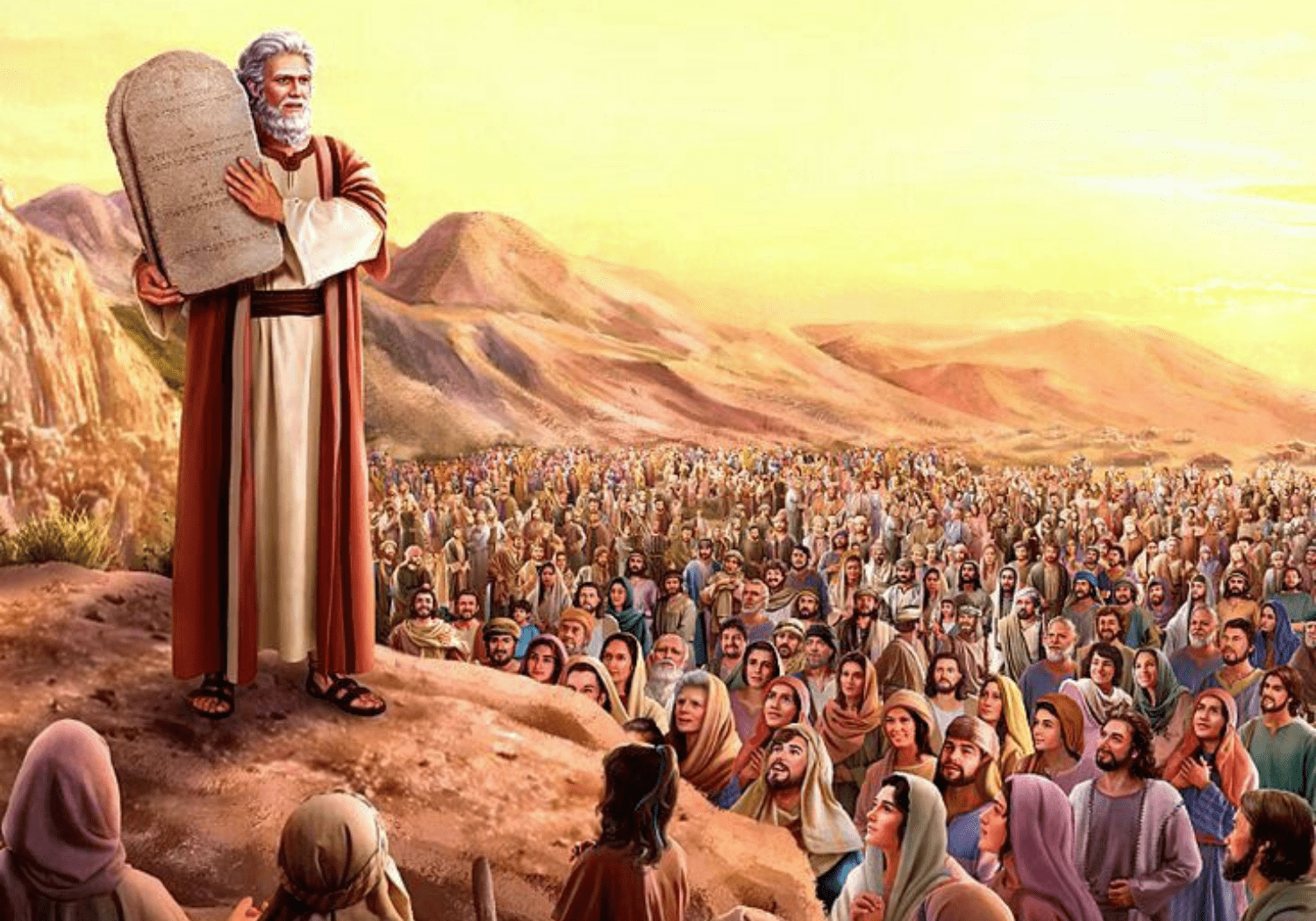 How Scripture Verifies a True Prophet
In the exchange, the student rightly emphasizes something often overlooked: miracles alone do not validate a prophet. Scripture itself warns that signs can be counterfeited.
What matters is whether the message agrees with what God has already revealed.
Moses fit perfectly within Israel’s historical and theological framework. His message matched God’s promises, God’s character, and God’s covenant timeline.
That is why later “prophets” or new revelations that contradict earlier Scripture can be dismissed immediately. Consistency is not optional—it is essential.
 The Age of Ahaziah and the Scribal Error Trap
The conversation eventually turns to a favorite objection raised by Muslim apologists: the age of King Ahaziah.
- 2 Kings 8:26 states that Ahaziah was 22 years old when he began to reign.
- 2 Chronicles 22:2 states that he was 42 years old.
Rather than panicking or over-explaining, the most honest and effective response is simple: this is a scribal error.
A scribal error does not mean God’s Word is false. It means a copyist made a mistake while transmitting the text—something textual scholars openly acknowledge and document.
What makes this moment powerful is how quickly the objection collapses when reversed.
If a single scribal error invalidates the Bible, then the Quran—whose textual history contains well-documented scribal variants and later standardization—would also be invalid by the same standard.
This exposes the real issue: selective skepticism.
 Why You Don’t Need to Over-Explain to a Hostile Listener
One of the strongest lessons from this encounter is strategic wisdom. When someone is not genuinely seeking the truth, long explanations often become wasted effort.
The student’s calm posture, willingness to say “I don’t know,” and refusal to be pressured into speculative answers demonstrate maturity.
Scripture never demands that believers pretend omniscience. Share on XSometimes the best move is to state the facts plainly, expose inconsistency, and move on.
That approach does more to defend the faith than hours of circular debate.
 The Bigger Problem Islam Can’t Solve
Throughout the interaction, a deeper tension repeatedly surfaces. Islam claims to affirm the Torah and earlier revelation, yet it simultaneously insists those texts are corrupted—without identifying what the original texts actually were.
This contradiction creates an unsolvable dilemma.
If the Torah is God’s Word, then attacking it undermines the Quran. If the Torah is corrupted, then the Quran affirms a corrupted book as revelation. Either way, the argument collapses.
Christianity does not face this problem because Scripture is internally consistent, historically grounded, and openly transparent about textual transmission.
Defending the faith is not about winning arguments—it’s about clarity, consistency, and confidence in what God has already revealed. Share on XThe Bible does not need rescuing through clever rhetoric. It stands on its own.
If you want to see another powerful example of how these arguments unfold—and how easily they unravel when examined carefully—watch the next video. It builds directly on these themes and shows why these objections keep failing every time.
WATCH THE VIDEO














Recent Comments