
EXPOSING What These 100 Muslims Said About Jesus!
In a recent street interview conducted in one of the most Muslim-populated cities in America, a simple question was asked over and over again: Who is Jesus?
The answers were consistent—but also revealing.
While many responses sounded respectful on the surface, a deeper look exposes major contradictions, misunderstandings, and missed truths about who Jesus really is.
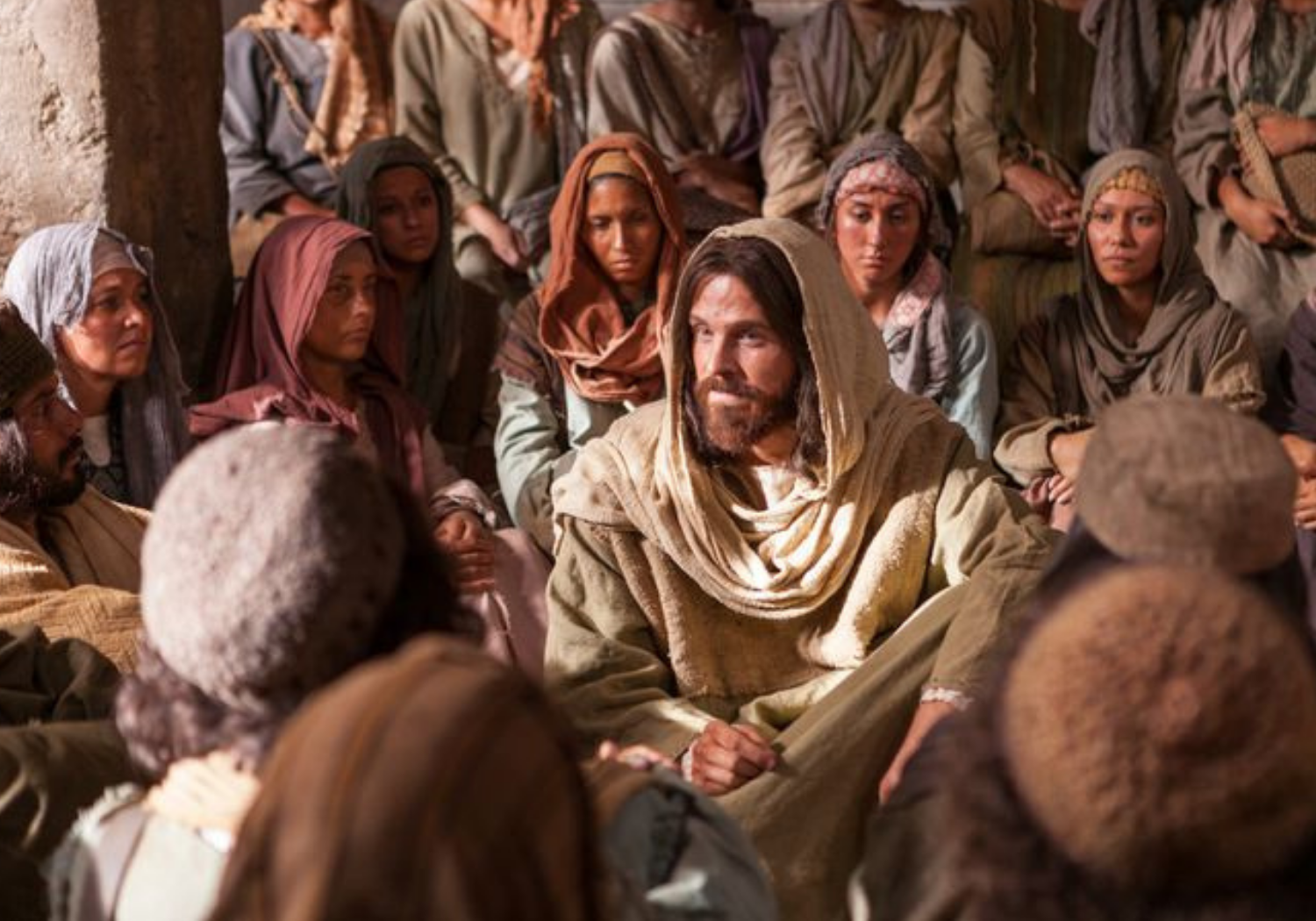 A Common Answer: “Jesus Is a Prophet”
Across dozens of conversations, the most repeated answer was simple: Jesus is a prophet.
Many expressed admiration for Him. Some even called Him the Messiah. But almost all stopped short of recognizing His full identity. At first glance, this may sound respectful. But it raises an important question:
Is calling Jesus “just a prophet” actually honoring Him, or diminishing Him?
Because even the Bible affirms that Jesus is a prophet… but it never stops there.
One of the most powerful moments in these conversations came when Scripture was brought into the discussion. Jesus didn’t leave His identity open-ended. He made bold, exclusive claims about Himself.
“I am the way, the truth, and the life: no man cometh unto the Father, but by me.” – John 14:6
This statement alone creates a clear divide.
If Jesus is the truth, then truth is not found apart from Him.
If Jesus is the way, then no alternative path can lead to God.
That’s not the language of a mere prophet. That’s the language of someone with divine authority.
 Respect vs. Rejection: A Limited View of God
Throughout the interviews, many people said they “respect” Jesus. But in the same breath, they denied who He claimed to be.
This creates a contradiction:
- You cannot fully respect Jesus while rejecting His identity
- You cannot honor His words while denying His authority
One recurring objection was the idea that God could not have a Son. But when you examine that reasoning closely, it reveals something deeper:
It places limitations on God. If God is truly all-powerful, then nothing is impossible for Him.
“For with God nothing shall be impossible.” – Luke 1:37
The issue isn’t whether God can reveal Himself in this way— it’s whether people are willing to accept that He did.
 The Title “Messiah” Without Understanding It: Circular Reasoning and Authority
Interestingly, many acknowledged that Jesus is the Messiah. But when asked what that actually means, there was often no clear answer.
The concept of the Messiah doesn’t originate from Islam—it comes from the Hebrew Scriptures. And those Scriptures describe the Messiah in a very specific way:
“He was wounded for our transgressions, he was bruised for our iniquities…” – Isaiah 53:5
The Messiah wasn’t just a teacher. He was a Savior. He came to suffer, to atone, and to redeem. Without that understanding, the title “Messiah” becomes empty.
Another common pattern was the claim that earlier Scriptures were corrupted, while the Quran remained perfectly preserved. But this raises a logical problem:
If multiple revelations from God were corrupted, why trust a later one claiming authority over them?
Truth cannot contradict itself. And God does not fail in preserving His Word. Share on X Grace vs. Works: Two Completely Different Paths
One of the most powerful contrasts came when discussing salvation. In Islam, the path to God is often described as a struggle—a constant effort to do enough good. But Christianity offers something radically different:
Grace.
“For by grace are ye saved through faith… not of works.” – Ephesians 2:8–9
This isn’t about striving to reach God. It’s about God reaching down to us.
One of the most impactful parts of the conversation came when someone shared how their life changed after placing faith in Jesus.
Not through effort. Not through religious performance. But through surrender. That moment highlights something powerful.
When you truly understand who Jesus is, everything changes. Share on X The Cross: The Line That Divides
A major difference between the two beliefs centers on the crucifixion.
- Christianity teaches that Jesus died and rose again
- Islam teaches that it only appeared that way
But this isn’t a small detail—it’s the foundation of salvation.
If Jesus truly died and rose again, then:
- Sin has been paid for
- Death has been defeated
- Salvation is secure
And if that’s true… then He is far more than a prophet.
One important observation from these interactions is this: Most people weren’t hostile. They were kind, respectful, and open. But many were also unsure, uninformed, or simply repeating what they had been taught.
This matters.
Because it shows that the real issue isn’t always rebellion; sometimes it’s lack of clarity.
 You Can’t Stay Neutral About Jesus
After hearing 100 different perspectives, one thing becomes clear:
Everyone has an opinion about Jesus, but not all opinions are true.
At some point, each person must answer the question:
Who do you say that He is?
Because your answer doesn’t just shape your beliefs, it determines your eternity.
If this topic challenged your thinking, you’ll want to read this powerful real-life encounter. In this article, you’ll see how a simple, bold faith exposed flawed arguments and pointed clearly to the truth of the Gospel.
It’s a powerful reminder that truth doesn’t need complexity, just clarity and conviction.
WATCH THE VIDEO















Recent Comments