
Is Isaiah 53 Really About the Messiah?
Isaiah 53 has long been one of the most discussed passages in Scripture. Christians often point to it as a prophetic picture of the Messiah — written centuries before the time of Jesus — while others argue that the chapter speaks about the nation of Israel instead.
In this post, we’re going to walk through key Jewish sources, historical interpretations, and rabbinic writings that show how many respected Jewish voices understood Isaiah 53 as referring to the Messiah.
 Why Isaiah 53 Matters
Isaiah 53 describes a figure who is rejected, suffers on behalf of others, and bears sins so that healing and restoration can come.
Verses about being “pierced,” carrying transgressions, and suffering silently have made this passage central to messianic discussions for centuries.
For many Christians, the parallels feel unmistakable. Yet what often surprises people is that messianic interpretations of Isaiah 53 are not exclusively Christian inventions.
Several Jewish commentators — both ancient and medieval — also connected the passage to the Messiah.
 Abarbanel on Isaiah 53 and The Targum
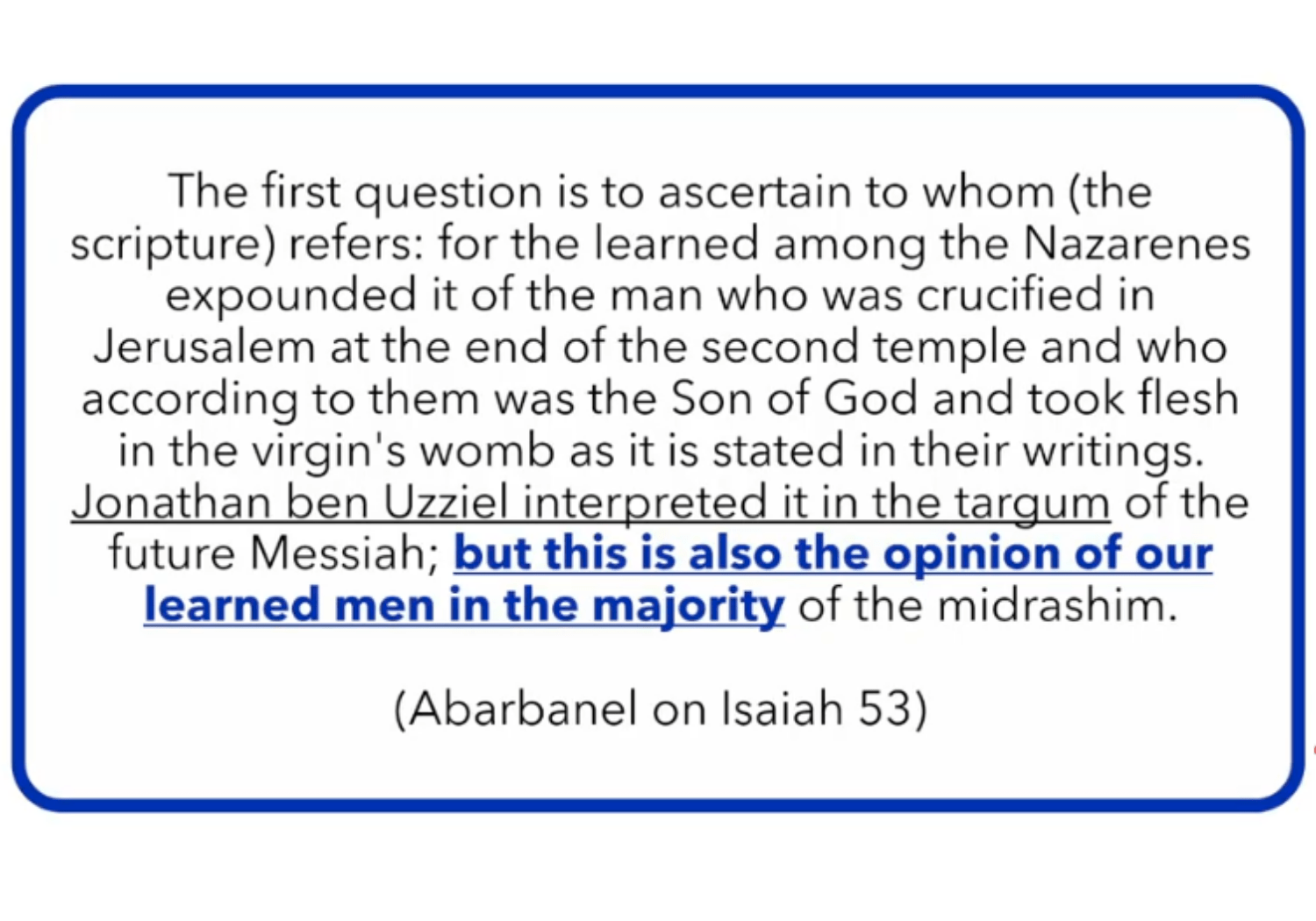
One important voice comes from Don Isaac Abarbanel, a well-known Jewish scholar. When discussing Isaiah 53, he acknowledged that Christians interpreted the passage as referring to the one crucified in Jerusalem.
But more significantly, he noted that earlier Jewish interpretation — including the Targum — applied the text to the future Messiah.
This matters because it shows that the debate did not begin in modern times. The question of who Isaiah 53 describes was already active within Jewish scholarship itself.
The Targum refers to ancient Aramaic paraphrases of Scripture used to explain the Hebrew text. These paraphrases often reflect how Jewish communities understood passages long before later theological debates developed.
In the Targum connected with Isaiah 52:13–53, the servant is explicitly linked to the Messiah — a striking detail because it demonstrates that messianic readings existed independently of later Christian argumentation.
Whether one dates portions of the Targum before or shortly after the first century, the point remains significant: Isaiah 53 was not universally read as a reference to the nation of Israel.
 The Day of Atonement and Maimonides
Another fascinating connection appears in prayers associated with the Day of Atonement (Yom Kippur). Some traditional liturgical texts describe a righteous figure who bears sins, carries iniquities, and brings healing — language strongly echoing Isaiah 53.
“He has borne the yoke of our iniquities… we shall be healed by his wound…” – Isaiah 53:5
This type of wording reflects themes of substitution, suffering, and restoration — all central to Isaiah’s description of the servant.
Some rabbinic writings even connect the name Yinon with the Messiah, reinforcing the expectation of a coming individual rather than a collective nation.
Maimonides — one of the most influential Jewish thinkers in history — rejected Christianity, yet even his writings include language that treats Isaiah 53 as describing an individual Messiah rather than a nation.
In his discussions about the coming Messiah, he describes a mysterious figure whose lineage and appearance people would not widely recognize beforehand, connecting this idea to the imagery in Isaiah 53.
This highlights something important: acknowledging messianic language in Isaiah 53 does not automatically mean agreement with Christian theology. It simply shows that Jewish interpretation itself has contained messianic readings.
 Rabbi Moshe Ibn Crispin and Rabbi Saadiah Ibn Danan
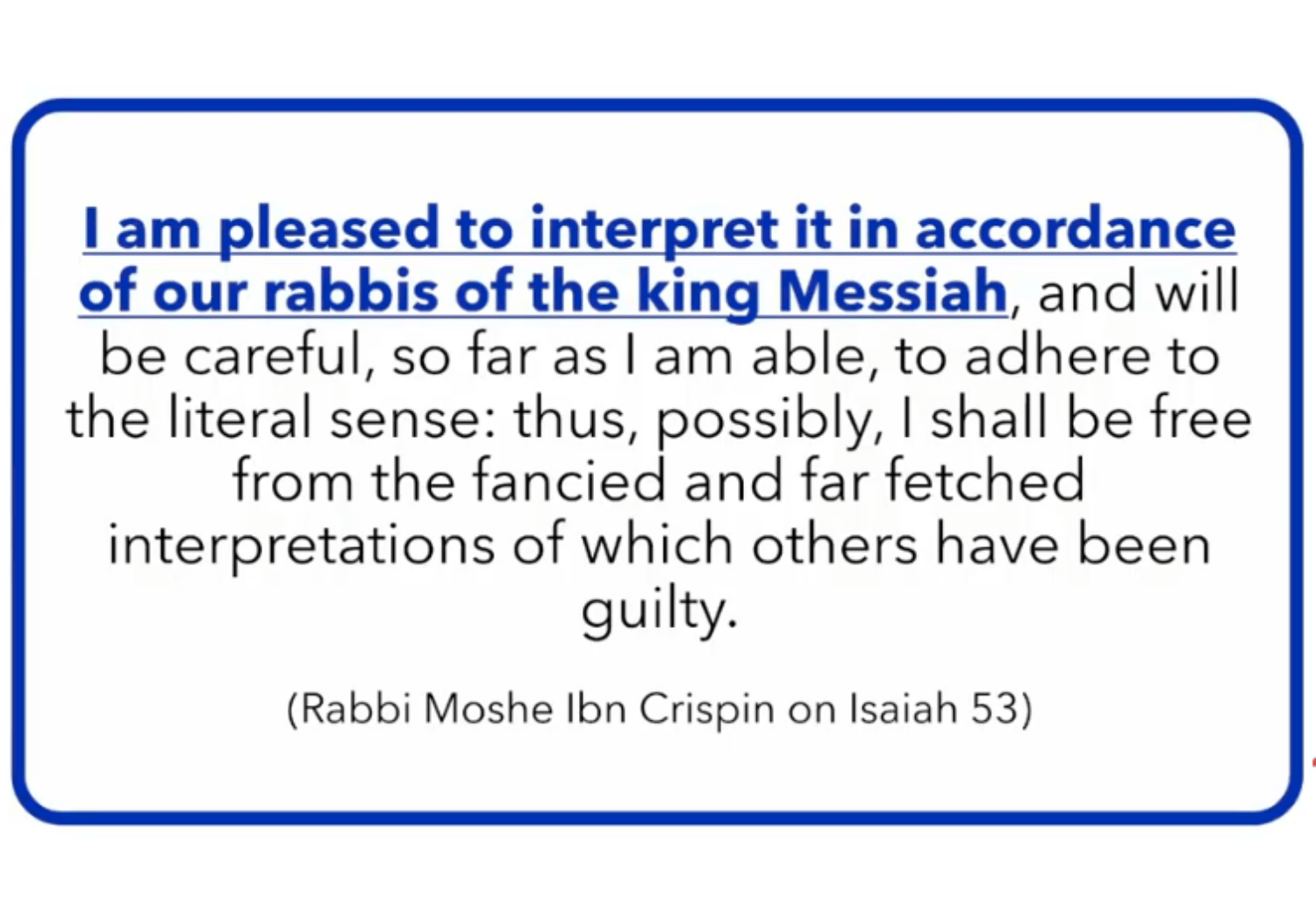
Rabbi Moshe Ibn Crispin argued that Isaiah 53 should be read as a messianic passage. According to him, this view aligned with earlier rabbinic tradition. He also believed it reflected the plain and literal meaning of the text.
At the same time, he warned against interpretations he considered forced or overly imaginative. In his view, the passage points to a single figure, not a collective symbol.
Likewise, Rabbi Saadiah Ibn Danan addressed concerns about the messianic interpretation. Some feared it could strengthen Christian arguments.
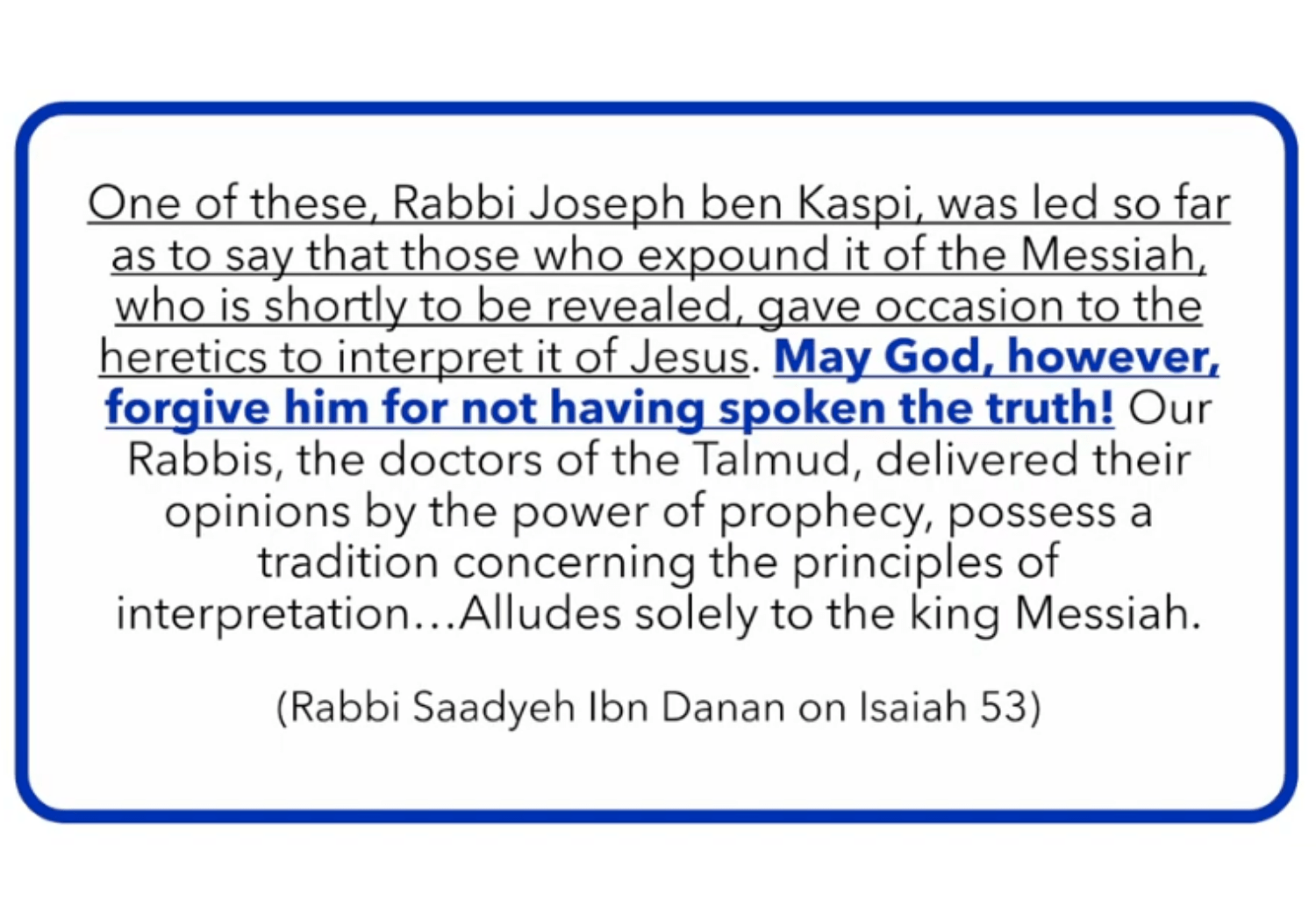 However, he insisted that interpretation must remain faithful to truth and inherited tradition. It should not be reshaped simply to avoid theological discomfort.
Together, these voices reveal an honest internal tension. Some rabbinic scholars recognized that a traditional messianic reading existed. Even so, they understood that this view could complicate debates with Christians.
 The Talmud and Messianic Titles
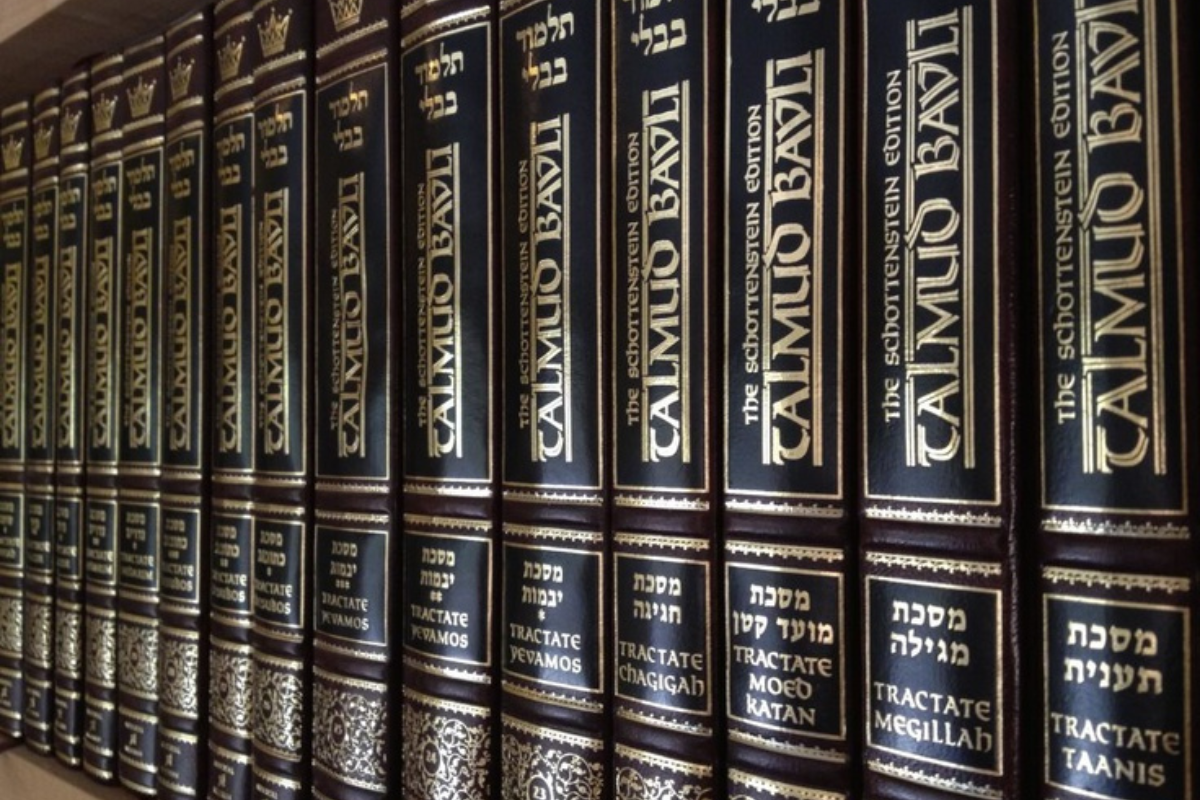
Talmudic discussions include multiple names and descriptions for the Messiah — including references that echo Isaiah 53’s themes of suffering and bearing affliction.
These references demonstrate that the concept of a suffering or afflicted Messiah was not foreign within Jewish literature.
During the conversation that sparked this study, the central question was simple: “Did Christians invent the messianic interpretation of Isaiah 53?”
As we walked through source after source, the pattern became clearer. Even where disagreement exists, the historical record shows that many Jewish interpreters — across centuries — understood Isaiah 53 in messianic terms.
That realization often shifts the discussion. Instead of asking whether Christians invented the idea, the more honest question becomes: Why did different traditions eventually move in different directions?
 Why Isaiah 53 is Significant
Isaiah 53 remains one of the most discussed and debated passages in Scripture. This is not because the text is unclear. Rather, it is because its implications are so significant.
When we slow down and examine the evidence, a deeper picture begins to emerge. Share on X
Jewish sources, rabbinic commentary, the Targum, and Day of Atonement language all point to a long history of interpretation.
These themes show that the messianic reading is not a modern invention. Instead, it has deep historical roots that reach far beyond today’s debates.
- Isaiah 53 has long been viewed as a messianic passage by both Christian and Jewish interpreters.
- The Targum and various rabbinic writings apply the text to a future Messiah.
- Day of Atonement prayers contain language strongly resembling Isaiah 53.
- Influential Jewish scholars acknowledged messianic readings even when disagreeing with Christianity.
- The debate is ancient — not modern — and rooted in real interpretive history.
When we look carefully at history, tradition, and the text itself, we are invited to think deeply about what Isaiah intended to communicate. This chapter has shaped faith conversations for centuries. That is why it continues to challenge readers today.
If you’d like to continue exploring Biblical themes and deeper scriptural discussions, check out this video.
This message takes the conversation in a fresh direction and will help you continue growing in your understanding of Scripture and faith.
WATCH THE VIDEO
















Recent Comments