
Muslim Preacher GETS CAUGHT Misleading Christian About Jesus!
In many debates about Christianity, especially when Scripture enters the conversation, the problem is rarely a lack of information. More often, critics refuse to follow the text where it leads.
Instead of engaging honestly with what the Bible says, they jump between topics, stretch timelines, and import assumptions Scripture never makes.
This pattern appears clearly in this exchange between Shaykh Uthman Ibn Farooq and a Christian preacher.
Rather than addressing the actual theological claim, he shifted the focus to attacking the Bible with accusations about age, marriage, and supposed moral contradictions. Yet when examined carefully, those claims quickly fall apart.
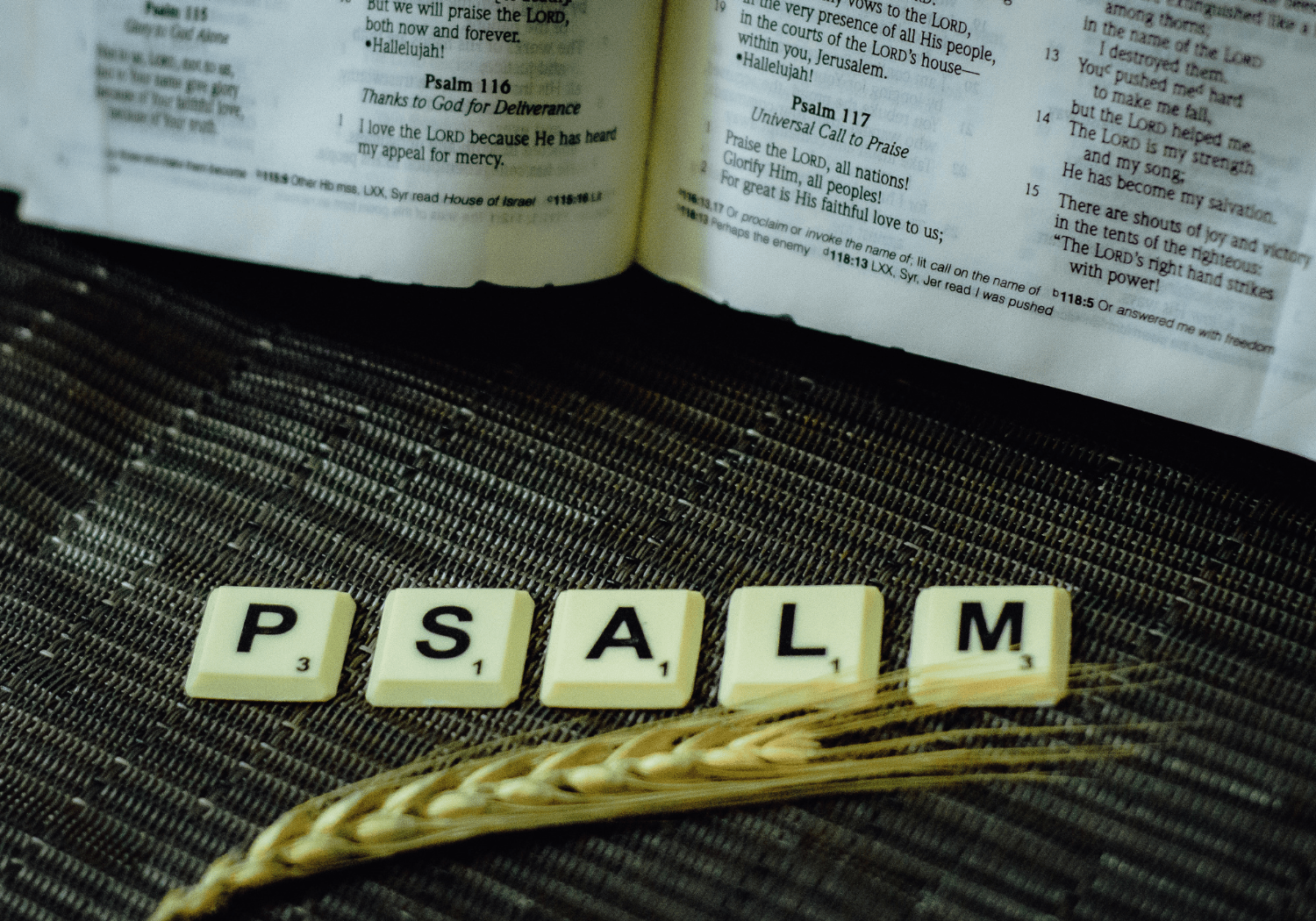 Psalm 2 and the “Begotten”
Psalm 2 opens by describing a universal reaction to God’s authority.
“Why do the heathen rage, and the people imagine a vain thing? The kings of the earth set themselves, and the rulers take counsel together, against the LORD, and against his anointed.” – Psalm 2:1–2
This passage is not merely political commentary. It describes a spiritual posture—resistance to God’s rule and rejection of His Anointed One. Both Jewish and Christian traditions have long recognized Psalm 2 as a Messianic psalm.
The New Testament itself applies these verses to Jesus, identifying Him as the Messiah whom the nations oppose.
What is striking is how often this context is ignored. Instead of engaging with the Messianic meaning of the psalm, critics isolate phrases and strip them of their prophetic force.
A common objection raised is that the Bible refers to many “sons of God.” Angels are called sons, Israel is called God’s son, and believers are called sons of God. That observation is correct—but it misses the point entirely.
Psalm 2 contains a unique declaration:
“Thou art my Son; this day have I begotten thee.” – Psalm 2:7
This language does not describe general adoption or metaphorical sonship. It speaks of a unique relationship tied to divine authority, kingship, and inheritance.
The New Testament repeatedly connects this verse to Christ and identifies Him as the uniquely begotten Son in a way no other figure shares.
Ignoring that connection requires either unfamiliarity with the text or a predetermined conclusion that refuses to change.
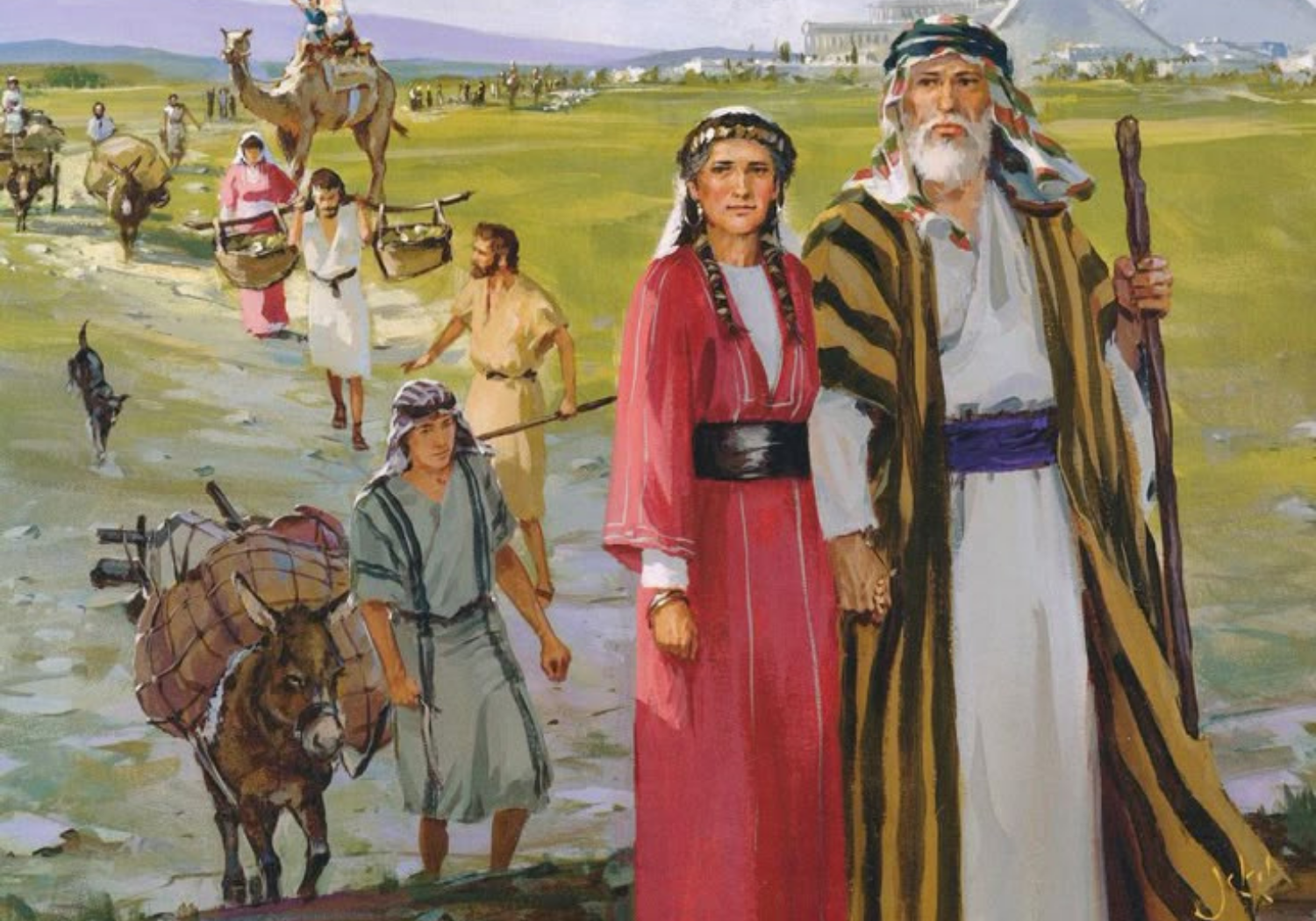 The Truth About Sarah’s Age and Rebecca’s Age
Another tactic Shaykh Uthman used in attacks on the Bible is misrepresenting Biblical ages to create moral outrage. Scripture is very clear about Sarah’s life.
“And Sarah was an hundred and seven and twenty years old: these were the years of the life of Sarah.” – Genesis 23:1
The Bible also states that Abraham was one hundred years old when Isaac was born (Genesis 21:5). There is nothing hidden, deceptive, or morally questionable in these passages.
The text presents the information plainly, without embellishment or implication.
Problems only arise when critics import assumptions that Scripture itself never makes.
The claim that Rebecca was a child when she married Isaac is one of the weakest arguments repeatedly recycled in debates.
Scripture tells us:
“And Isaac was forty years old when he took Rebekah to wife.” – Genesis 25:20
What Scripture never tells us is Rebecca’s age at marriage. The argument that she was three years old depends entirely on speculation—linking her birth to Sarah’s death and forcing a timeline that the Bible does not provide.
In fact, Genesis 24 describes Rebecca as physically capable, socially aware, and independently active. She repeatedly draws water for multiple camels, carrying heavy vessels back and forth from the well.
This alone makes the idea of her being a small child absurd. The text itself portrays her as mature and capable, not helpless or infantile.
 When Commentary Replaces Scripture: Evidence, Experience, and a Personal Story
Another revealing move occurs when Shaykh Uthman abandons the Bible and appeals to later commentaries as if they carry the same authority as Scripture. Commentary can be informative, but it is not inspired text.
If someone claims to argue “from the Bible” yet cannot produce a single verse to support their conclusion, that should immediately raise concern. Scripture does not need rescuing by speculation.
Beyond textual arguments, the conversation also addressed personal testimony. The Christian preacher shared a powerful story of his mother, who began as an atheist, experienced a near-death encounter, and later came to faith in Christ.
She did not present her experience as scientific proof but as a genuine transformation that turned disbelief into conviction.
Faith does not rest on blind emotion. It stands on truth, revelation, and evidence.
Personal experiences do not replace Scripture, but they often confirm what Scripture already reveals about God’s reality and mercy.
 Why These Attacks Keep Failing
When examined closely, attacks on the Bible tend to rely on the same tactics:
- Ignoring context
- Adding assumptions not found in Scripture
- Switching standards of authority mid-argument
- Avoiding direct engagement with Messianic prophecy
When the text is allowed to speak for itself, these objections collapse quickly.
To see more of these direct interactions, rebuttals, and clarifications, I encourage you to watch the next video. It exposes how Scripture is often misrepresented when conclusions are decided in advance.
WATCH THE VIDEO
















Recent Comments