
This Is Why Jesus Turned Water To Wine (Most People Miss This)
The story of Jesus turning water into wine is one of the most well-known miracles in the Bible. Found in John 2:1–11, it’s also the first miracle Jesus performed—and yet, it’s one that’s often misunderstood.
Many people wonder:
- What kind of wine did Jesus create?
- Was it alcoholic?
- Why would Jesus make more wine if people were already drinking?
Let’s take a closer look at this miracle and uncover what it truly reveals about Jesus, His mission, and God’s plan for us.
 The Wedding at Cana
The Gospel of John records the very first miracle of Jesus at a joyful wedding celebration in Cana of Galilee:
“And the third day there was a marriage in Cana of Galilee; and the mother of Jesus was there: And both Jesus was called, and his disciples, to the marriage. And when they wanted wine, the mother of Jesus saith unto him, They have no wine. Jesus saith unto her, Woman, what have I to do with thee? Mine hour is not yet come. His mother saith unto the servants, Whatsoever he saith unto you, do it.” – John 2:1–5
During the festivities, the hosts ran out of wine, creating a serious problem in a culture that highly valued hospitality. Mary immediately noticed the need and turned to Jesus, saying, “They have no wine.”
Rather than panic or try to solve the problem herself, she brought the concern directly to her Son—just as we should bring our problems to Him.
When Jesus replied, “Mine hour is not yet come,” Mary refused to be discouraged. She turned to the servants and instructed them with unwavering faith, “Whatsoever he saith unto you, do it.”
This moment shows faith and obedience in action. Mary trusted Jesus to act at the right time and in the right way.
 Water Jars and Obedience: The Symbolism of the Miracle
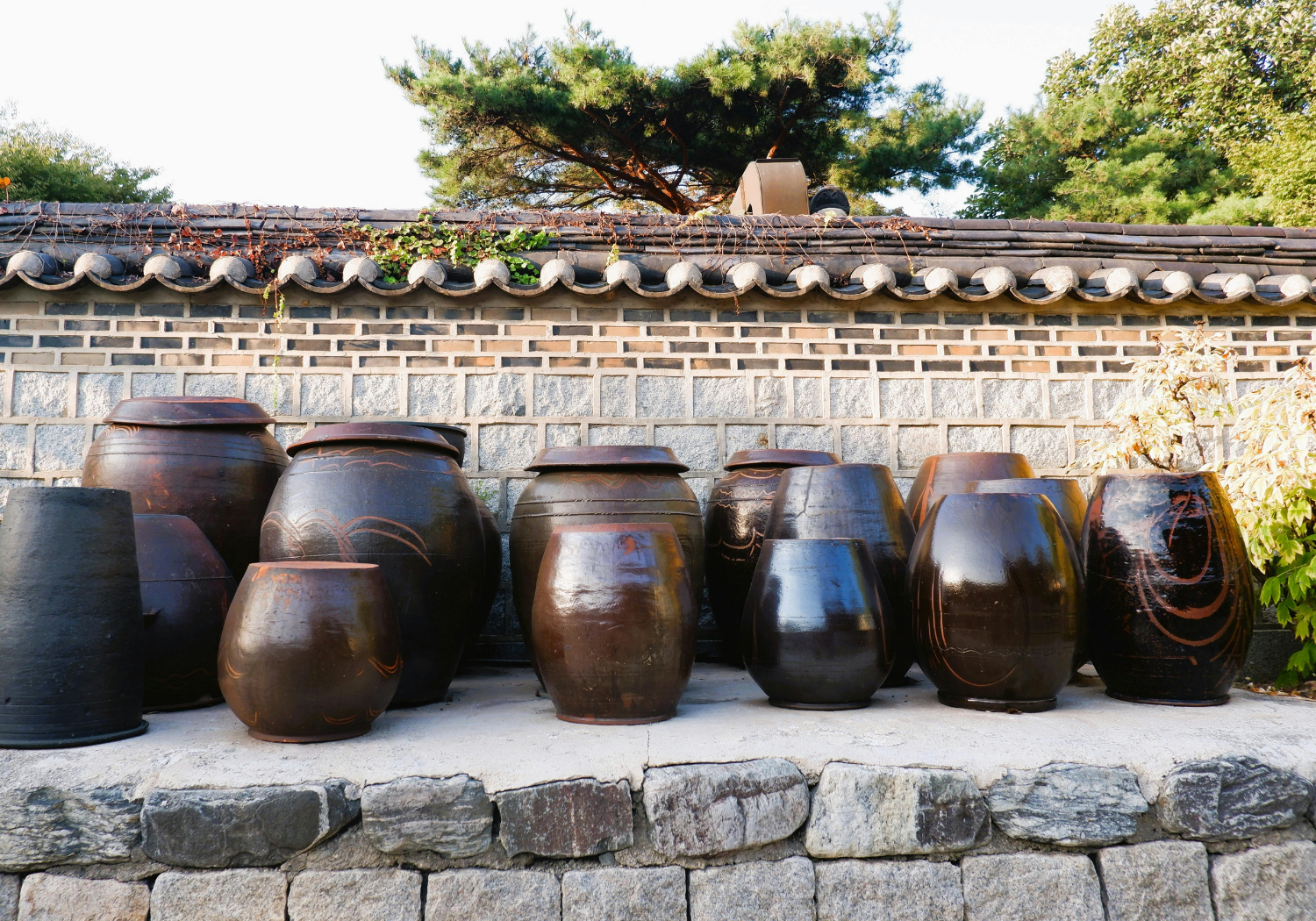
Nearby stood six large stone water pots used for ceremonial washing. These weren’t wine containers—they were used for purification rituals. Jesus instructed the servants to fill them with water “up to the brim.”
“And there were set there six waterpots of stone, after the manner of the purifying of the Jews, containing two or three firkins apiece. Jesus saith unto them, Fill the waterpots with water. And they filled them up to the brim.” – John 2:6-7
Their obedience mattered. They didn’t question Him nor hesitate. They simply did as He said.
- It revealed Jesus’ glory.
This was His first public miracle, and through it, His disciples began to believe in Him (John 2:11). - It demonstrated God’s timing and abundance.
Jesus didn’t just provide enough wine—He provided an abundance of the finest quality. God’s provision always exceeds human expectation. - It symbolized transformation and the new covenant.
The water jars represented the old covenant—external cleansing through rituals. Jesus transforming that water into wine symbolized the new covenant—internal cleansing through His blood.
 Was the Wine Alcoholic?
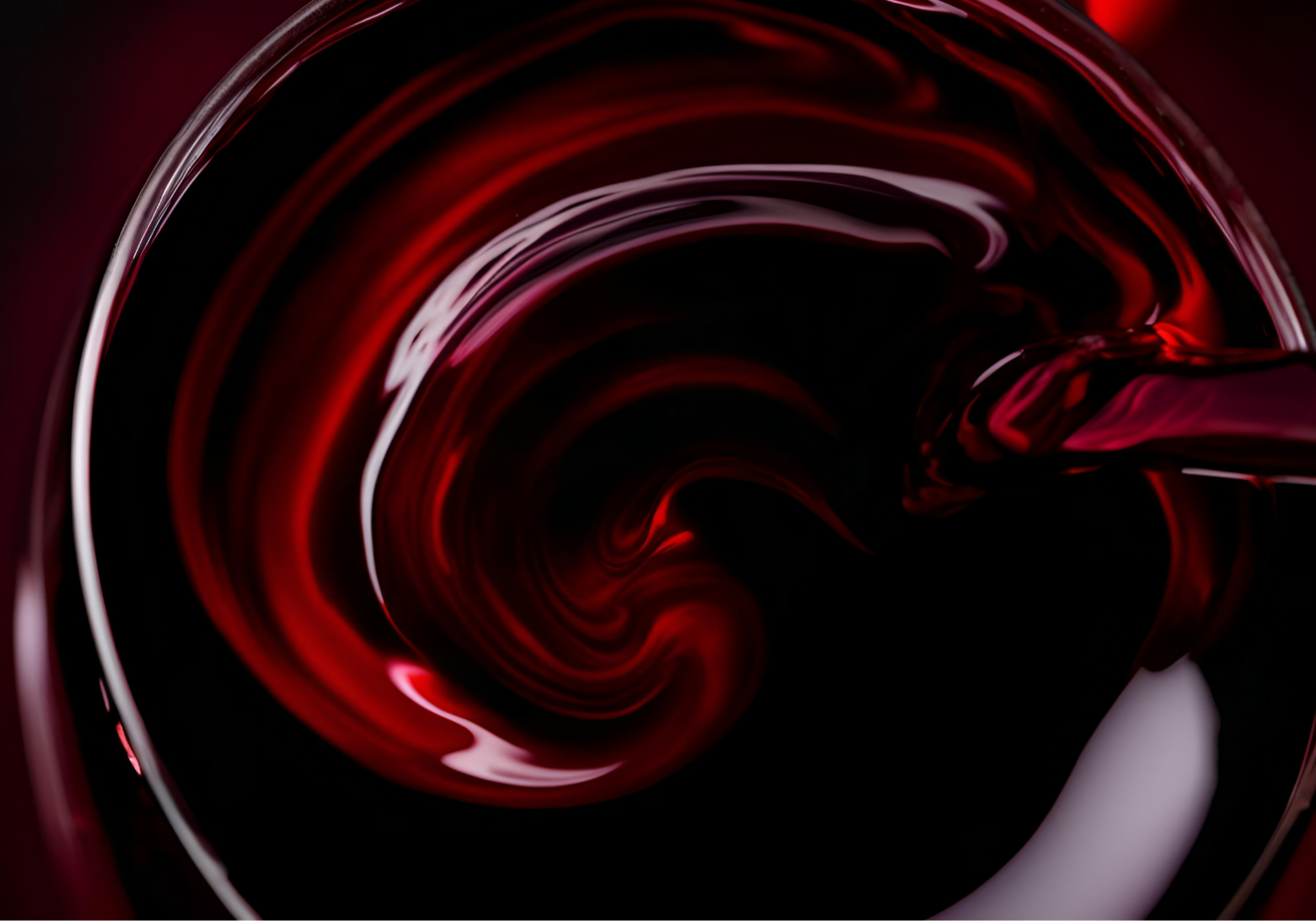
Some argue that Jesus created non-alcoholic wine, but Scripture itself provides clarity. The master of the feast said:
“Every man at the beginning doth set forth good wine; and when men have well drunk, then that which is worse: but thou hast kept the good wine until now.” – John 2:10
This clearly implies that it was real, fermented wine. Yet, the miracle was not about promoting drunkenness—it was about joy, celebration, and the revelation of God’s glory.
The Bible never condemns wine itself, but it firmly warns against drunkenness.
“And be not drunk with wine, wherein is excess; but be filled with the Spirit.” – Ephesians 5:18
Just as He turned plain water into the best wine, He can turn our weariness into strength, our sorrow into joy, and our ordinary moments into divine opportunities.
When we face lack or emptiness, Jesus can transform our situation completely. Share on X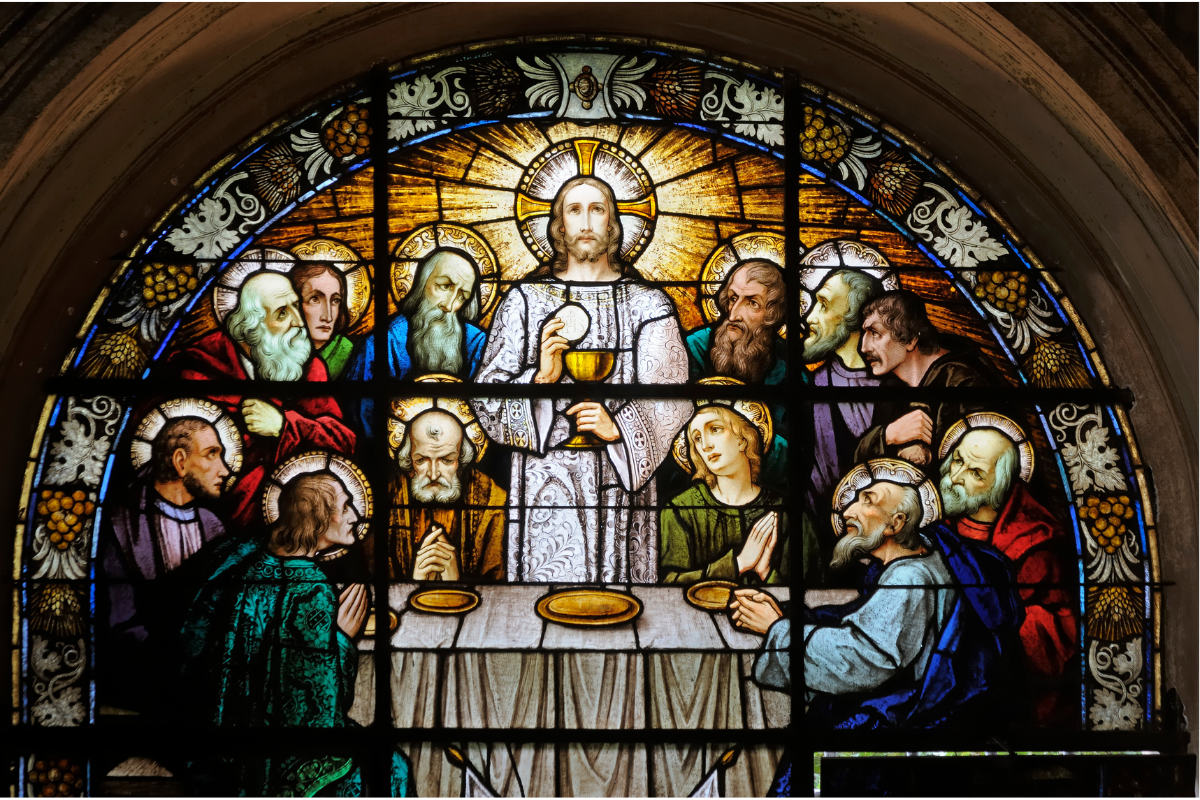 The Deeper Meaning
The transformation at Cana was more than a display of power—it was a message of redemption. Just as water became wine, so can hearts of stone become hearts of flesh through the blood of Christ.
The old ways of cleansing were temporary and external. But the blood of Jesus cleanses us fully and forever.
“Though your sins be as scarlet, they shall be as white as snow.” – Isaiah 1:18
The miracle at Cana wasn’t just about wine—it was about revealing who Jesus is: the source of new life, true joy, and lasting transformation.
When we invite Jesus into our lives—into our “weddings,” our relationships, and our everyday moments—He not only restores what we have broken but also transforms it into something beautiful and eternal.
“This beginning of miracles did Jesus in Cana of Galilee, and manifested forth his glory; and his disciples believed on him.” – John 2:11
If you found this reflection meaningful, I encourage you to read the next article: Should Christians Smoke Weed?
Just as Jesus’ miracle at Cana teaches us about true transformation—not temporary pleasure—this next article explores how believers can approach modern questions about freedom, temptation, and honoring God with their bodies.
It thoughtfully continues the same truth: real fulfillment comes not from substances or sensations, but from a heart fully surrendered to Christ. God bless.
WATCH THE VIDEO
















Recent Comments