
The Immaculate Conception vs. The Virgin Birth: Why They Are Not the Same
Many Christians use the phrase “Immaculate Conception” when they really mean “Virgin Birth.” I used to do the same thing.
It’s an easy mistake to make—until you slow down, look at Scripture, and understand what each term actually refers to.
These two doctrines are not the same, and mixing them up creates confusion about Jesus, Mary, and the miracle of His birth.
Let’s break this down clearly and Biblically.
 What the Immaculate Conception Actually Teaches
The doctrine of the Immaculate Conception is not about Jesus’ conception. It is the Roman Catholic belief that Mary was born without sin, preserved from original sin so she would not pass a sin nature to Jesus.
According to this doctrine, Mary had to be sinless so that Jesus would not inherit a fallen nature.
But that immediately raises a major question:
1. If Mary was sinless, were her parents sinless too?
If a sinless woman is required to produce a sinless child, logically Mary’s parents would also need to be sinless.
But then their parents would need to be sinless…
…and their parents…
…all the way back to Adam.
You end up with an endless chain that Scripture never teaches.
2. Why not simply have God prevent sin nature from passing to Jesus directly?
If God miraculously intervenes to make Mary sinless, then logically He can also intervene to ensure Jesus is conceived without sin, even through a sinful mother.
And this is exactly what Scripture shows—God directly acted through the Holy Spirit to bring forth Christ.
The Immaculate Conception is philosophical, not Biblical. There is no passage in Scripture that describes Mary as sinless, nor one that suggests she needed to be.
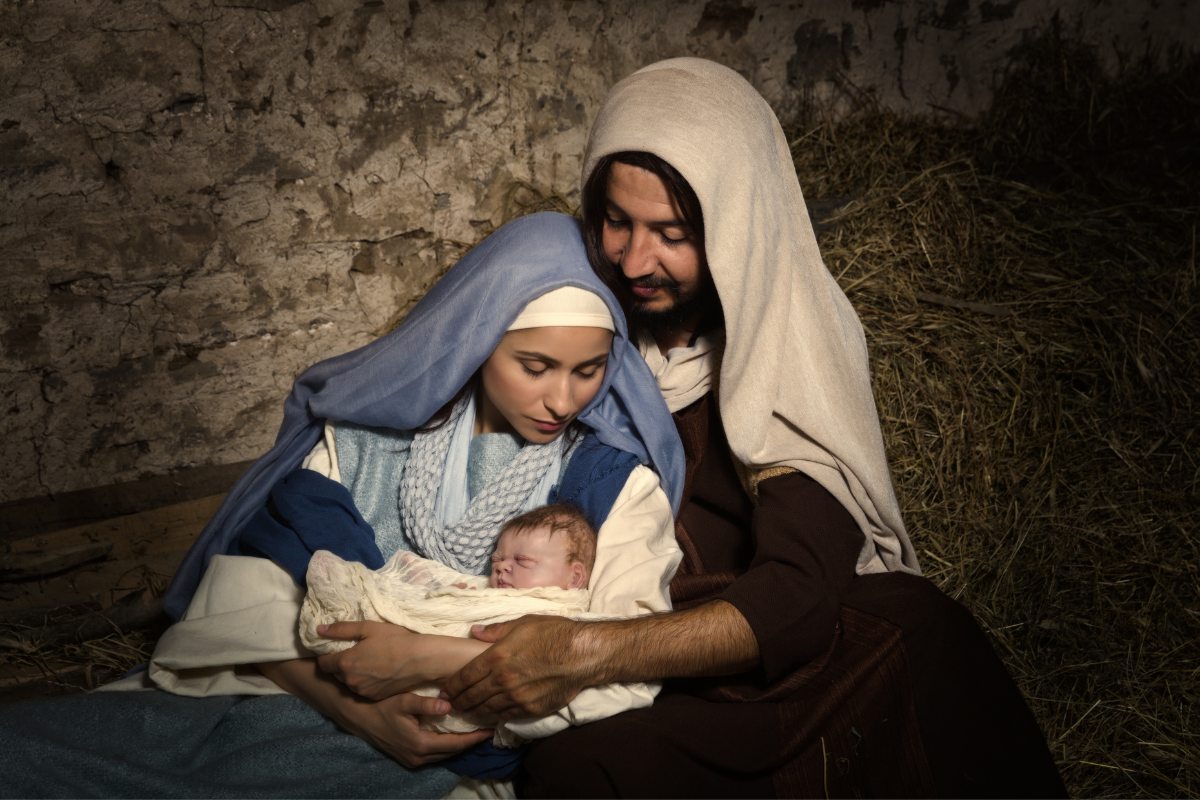 What the Virgin Birth Actually Means (and Why It Matters)
Unlike the Immaculate Conception, the virgin birth is directly taught in Scripture.
The virgin birth means Mary conceived Jesus without sexual intercourse. There was no consummation between her and Joseph.
This is not metaphorical. It is miraculous.
Matthew’s Account: The Genealogy Points to Something Different
Matthew begins with a long genealogy—from Abraham to David to Joseph. Every section says:
- “So-and-so begat so-and-so.”
- A man fathered a child.
Until you reach Jesus.
Then the pattern breaks.
“…Joseph the husband of Mary, of whom was born Jesus, who is called Christ.”— Matthew 1:16
Matthew purposely avoids saying Joseph fathered Jesus. Instead he points to Mary—because Jesus was conceived without human fatherhood.
Immediately after, Matthew quotes Isaiah:
The virgin birth is a prophesied, Scripture-rooted doctrine. Share on X“Behold, a virgin shall conceive, and bear a son…”— Isaiah 7:14
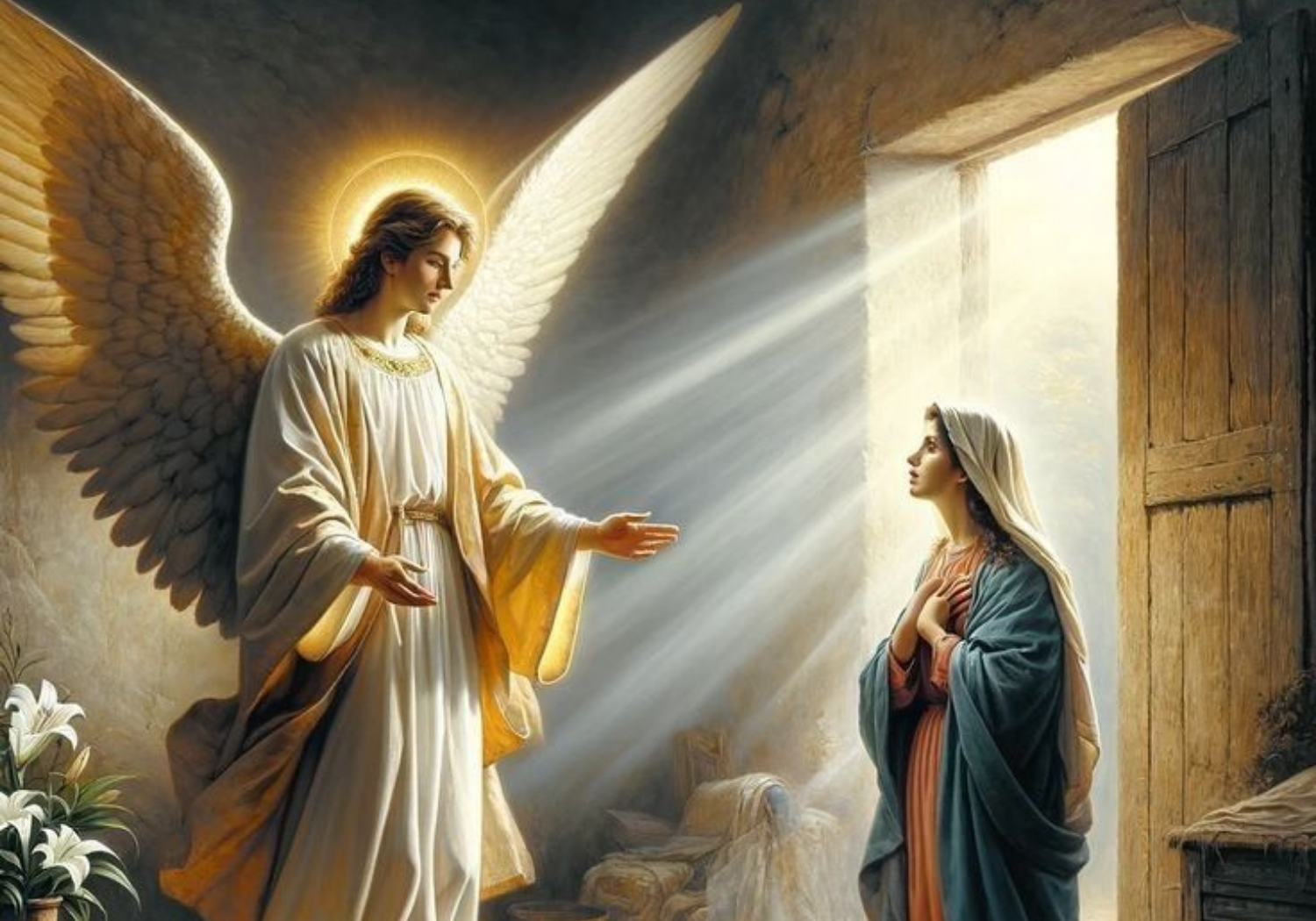 Luke’s Account: Gabriel Explains the Miracle Step by Step
Luke gives us Mary’s perspective. When the angel Gabriel visits her, she is confused and asks the obvious question:
“How shall this be, seeing I know not a man?”— Luke 1:34
Gabriel gives her three truths that still encourage believers today:
1. The Holy Spirit Himself will perform the miracle.
“The Holy Ghost shall come upon thee, and the power of the Highest shall overshadow thee…”— Luke 1:35
This alone shows Jesus did not inherit sin from Adam. The miracle was God-initiated.
2. Elizabeth’s pregnancy is a sign that God is already at work.
Gabriel tells Mary that her elderly, barren cousin is six months pregnant.
The message is clear:
“If God can do that, He can do this.”
Just like Mary, sometimes seeing what God is doing in others gives you courage to trust Him in your own miracle.
3. Nothing is impossible with God.
“For with God nothing shall be impossible.”— Luke 1:37
This is not only a statement about Jesus’ miraculous conception—it’s a principle for every believer walking with God.
 Why These Two Teachings Should Never Be Confused
The Immaculate Conception is a later tradition. The Virgin Birth is a Biblical truth.
The Bible clearly teaches:
- Jesus was conceived without a human father.
- Mary was a virgin when He was conceived.
- The Holy Spirit brought forth the Messiah.
Scripture does not teach that Mary was sinless, nor that she had to be for Jesus to remain sinless.
Jesus is sinless because He is the Son of God, not because Mary lacked a sin nature. Share on X“In Him is no sin.”— 1 John 3:5
Understanding the difference protects us from confusion and strengthens our confidence in the accuracy of God’s Word.
 A Final Encouragement
Many people confuse these teachings, but Scripture gives us everything we need for clarity. Study the text, look at what God actually reveals, and avoid mixing doctrines that don’t belong together.
If you want to explore another topic that many Christians misunderstand—especially around the birth of Jesus—I recommend reading this next article. It will deepen your understanding and strengthen your faith.
God bless.
WATCH THE VIDEO















Recent Comments