
Luke 3:8 — What John the Baptist Really Meant About True Repentance
When crowds flocked to John the Baptist by the Jordan River, they came expecting a ritual, a tradition, a symbolic act of cleansing. Many likely believed they were already spiritually safe simply because they were Israelites — direct descendants of Abraham.
But John confronted them with a message so sharp and so unexpected that it cut through generations of complacency.
Luke 3 gives us a glimpse of this bold moment. John wasn’t there to comfort the proud or reassure the self-righteous. He was there to prepare hearts for the Messiah — and preparation requires confrontation.
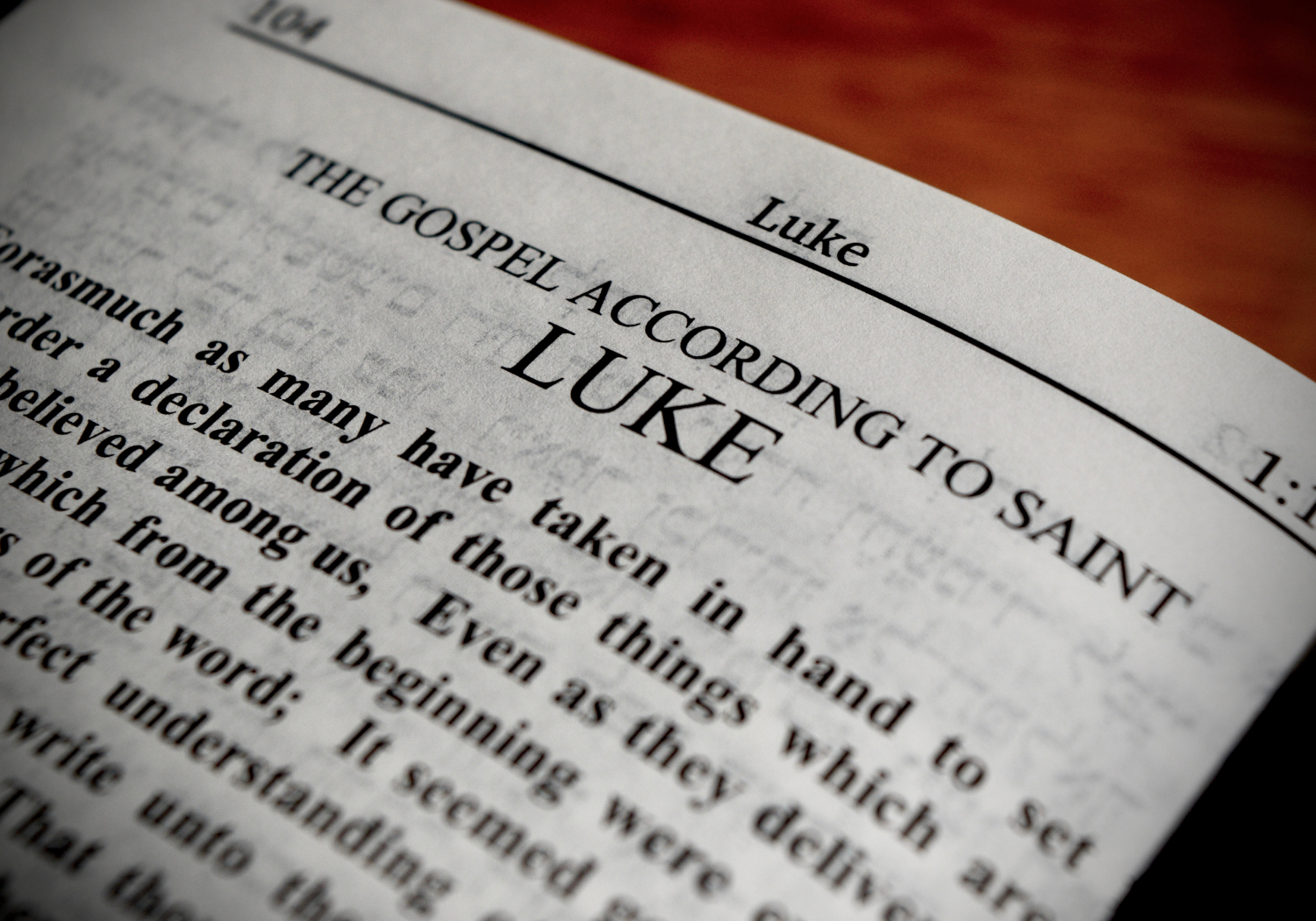 “Who Warned You?” — A Warning That Cuts Through Empty Tradition
When John saw the crowds rushing toward the Jordan, he didn’t flatter them or congratulate them for showing up. Instead, he confronted their false sense of security.
As Luke 3:7 clarifies in essence, John called them a “brood of vipers” and asked who convinced them they could avoid the judgment ahead.
“Then said he to the multitude that came forth to be baptized of him, O generation of vipers, who hath warned you to flee from the wrath to come?” – Luke 3:7
This was not cruelty — it was clarity. Many believed their heritage as Israelites guaranteed safety. Their confidence rested not in repentance or faith, but in bloodline.
John dismantled that illusion immediately. He was preparing them for the Messiah, and preparation meant uprooting every false foundation.
The heart of his message was simple:
Tradition cannot save you. Ritual cannot transform you. Heritage cannot produce a new birth.
Real transformation requires a work of God — not an inherited identity. Share on X
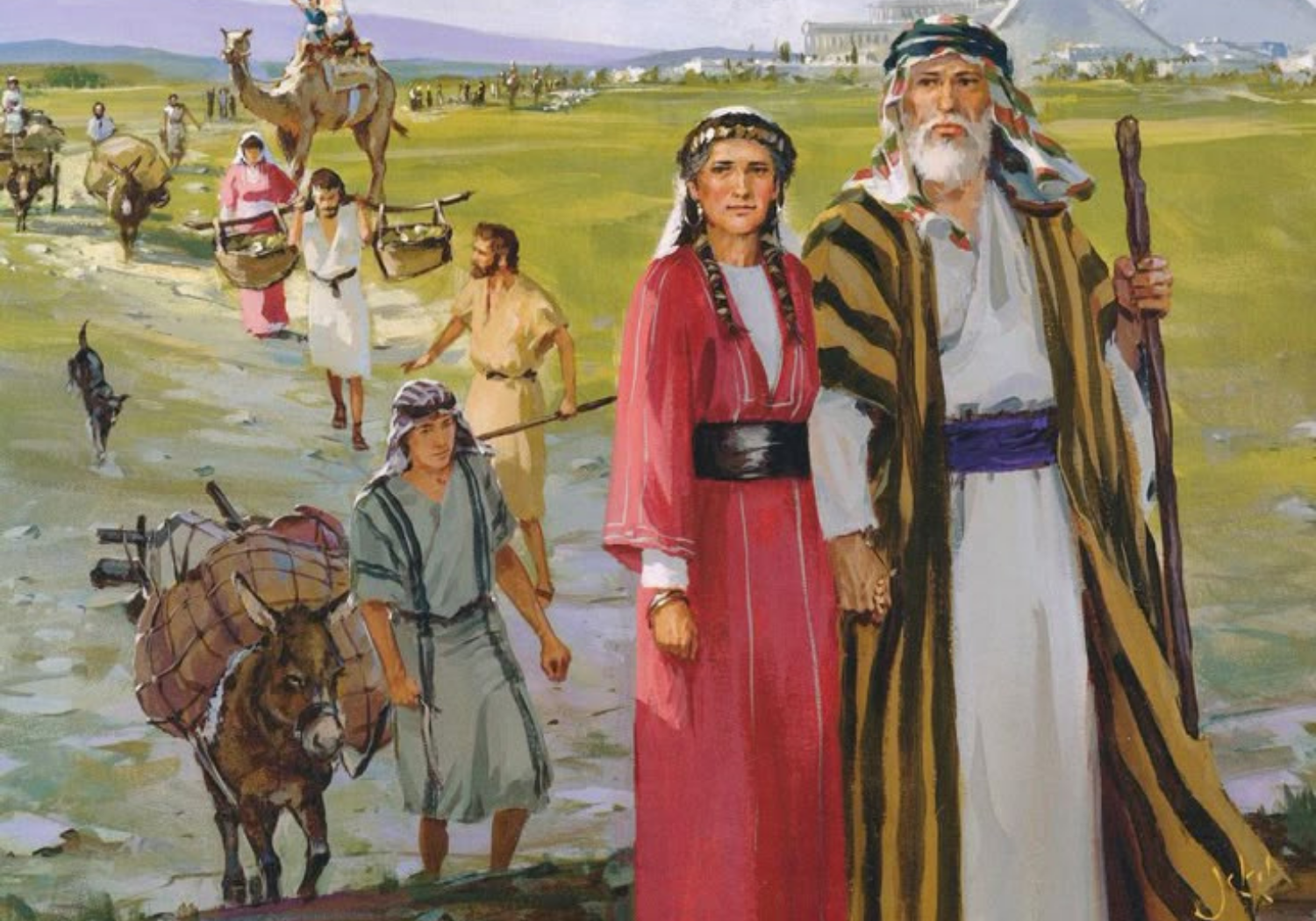 “We Have Abraham as Our Father” — A Dangerous Misconception
One of the most common errors among the Israelites of that time was assuming that their lineage automatically placed them in God’s favor.
They believed that being Abraham’s descendants exempted them from judgment. John exposed this myth immediately.
He warned them not to say in their hearts:
“We have Abraham to our father.”
Their physical connection to Abraham did not produce righteousness, faith, or obedience. Jesus confronted this same belief in John 8, when some proudly declared, “Abraham is our father.”
Yet Jesus revealed what was happening beneath the surface: their actions proved they did not share Abraham’s faith.
Spiritual heritage is not genetic.
Faith must be personal.
Salvation is never inherited by bloodline.
 “God Can Raise Up Children From Stones” — The Power to Give Life to What Is Dead
John continued his message with a vivid, unforgettable illustration. He urged the people to show genuine evidence of repentance rather than boast, “We have Abraham as our father.”
Then he pointed to the stones near the river and declared that God could create children of Abraham from lifeless rocks if He wished.
“Bring forth therefore fruits worthy of repentance, and begin not to say within yourselves, We have Abraham to our father: for I say unto you, That God is able of these stones to raise up children unto Abraham.” – Luke 3:8
This statement shattered every excuse, every layer of religious pride, every belief that lineage equaled righteousness. By pointing to inanimate stones, John revealed two powerful truths:
Human ancestry carries no saving power.
God alone gives life — even to what is spiritually dead.
And just as He could form descendants of Abraham from stones, He can create a new people for Himself from anyone willing to respond in faith.
John’s message wasn’t about exclusion — it was about invitation.
You can become God’s own, not by birthright, but by repentance, faith, and the life-giving power of His Spirit. Share on X From Dry Bones to Living People — God Revives What Is Dead
John’s imagery echoes one of Scripture’s most dramatic scenes — Ezekiel’s vision of the valley of dry bones. The prophet stood in a barren valley filled with lifeless remains, yet God asked him, “Can these bones live?”
And as Ezekiel obeyed God’s command to prophesy:
“And breath came into them, and they lived, and stood up upon their feet, an exceeding great army.” — Ezekiel 37:10
The same God who raised lifeless bones into a living army is the God who can raise spiritual children of Abraham from stones — or from any heart that seems too far gone.
- Nothing is ever too lifeless for God to restore.
- Every situation remains within the reach of His power.
- Even the hardest heart can be softened and revived by His Spirit.
 A Personal Moment From the Teaching
Imagine this scene: the Jordan River flowing behind John, crowds gathered, some curious, some convicted, some resisting. John pointing toward the stones beside the riverbank — stones that everyone could see — and explaining that God could raise up children for Abraham from them.
This simple gesture brought the message to life. Everyone understood stones. Everyone knew they were lifeless. And everyone knew what John was truly saying:
“If you rely on heritage rather than repentance and faith, you are no different from these stones — and God can replace you with those who truly believe.”
John was preparing their hearts for Jesus — the One who would offer new birth, new life, and a new identity not based on ancestry, but on grace.
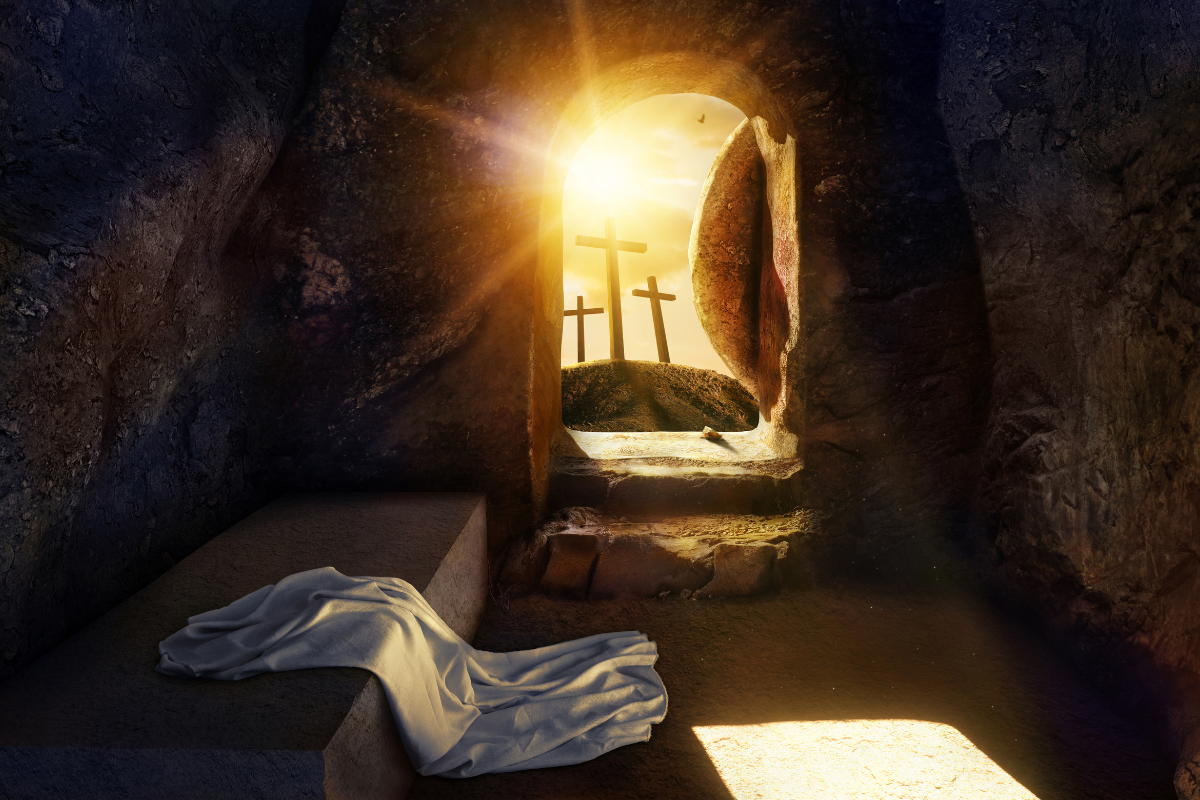 God Still Brings Life to Dead Places
In the valley of dry bones, God proved He can breathe life into what seems hopeless…
From ordinary stones, He is able to raise up true spiritual descendants…
And when confronting Israel, He invited them into a genuine, transforming repentance…
He extends the same invitation to us today.
- Faith is not a tradition.
- Grace is not inherited.
- Transformation is not automatic.
We must respond to God with genuine repentance and living faith — the kind that produces fruit, the kind that reveals the Spirit’s work within us, the kind that shows we truly belong to Him.
If this message encouraged or challenged your heart, I invite you to explore this in-depth explanation of Luke 14:26.
It breaks down Jesus’ difficult teaching about discipleship and helps clarify what it truly means to follow Him above all else.
This will give you a deeper understanding of commitment, priority, and the transforming work God continues to do in the hearts of His people.
May the Lord guide you as you grow in His Word, and may He breathe life into every part of your walk with Him.
WATCH THE VIDEO
















Recent Comments