
Is Sunday Worship Putting Tradition Over Truth?
Is going to church on Sunday as a Christian putting tradition over the truth of God’s Word? That’s a question I hear more often than you’d expect.
During a live stream I did recently, someone asked,
“Aren’t Christians putting tradition above truth by going to church on Sunday instead of Saturday, the Sabbath?”
It’s a question that deserves a Biblical answer. So, in this post, I want to unpack two main points:
- Why meeting on Sunday (or any other day) isn’t putting tradition above truth.
- A clear Biblical example that shows early believers gathering on the first day of the week.
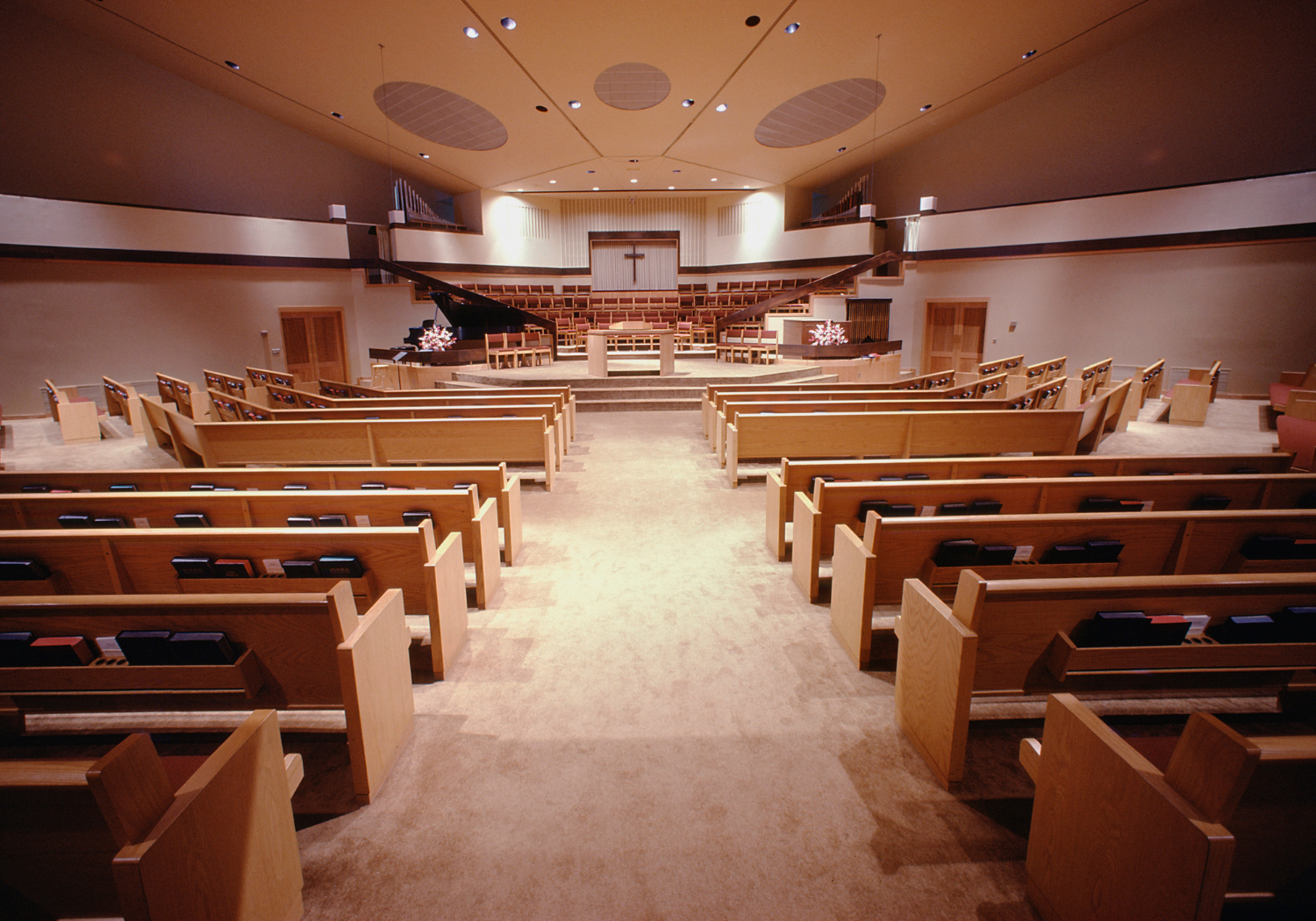 Strong and Weak Believers: The Principle of Liberty
When we talk about what day Christians should worship, the first thing we need to understand is Christian liberty. The Apostle Paul addresses this directly in Romans 14.
“Him that is weak in the faith receive ye, but not to doubtful disputations. For one believeth that he may eat all things: another, who is weak, eateth herbs.” — Romans 14:1–2
Here, Paul starts with food, but the principle applies broadly — including which day believers regard as holy.
Some believers at the time were struggling with these issues, and Paul reminds the church not to divide over them.
Later in that same chapter, he continues:
“One man esteemeth one day above another: another esteemeth every day alike. Let every man be fully persuaded in his own mind. He that regardeth the day, regardeth it unto the Lord; and he that regardeth not the day, to the Lord he doth not regard it.” — Romans 14:5–6
What Paul is saying here is profound. The emphasis isn’t on which day you worship, but why you worship. Whether you honor one day or every day alike, the key is that it’s done unto the Lord.
What matters most is that our hearts are surrendered to Him, not bound by human schedules. Share on X The Shadow and the Substance
Another passage that clears up confusion about worship days is found in Colossians 2. Paul again warns believers not to let anyone burden them with old ceremonial laws.
“Let no man therefore judge you in meat, or in drink, or in respect of an holyday, or of the new moon, or of the sabbath days: Which are a shadow of things to come; but the body is of Christ.” — Colossians 2:16–17
The old system — including the Sabbaths and festivals — was only a shadow pointing to Christ. When the light of Christ came, the shadow naturally faded away.
That means our rest and worship are no longer confined to a single day. Our true Sabbath is Jesus Himself, in whom we find rest for our souls.
So when someone insists that worship must happen on a Saturday or that Sunday worship is unbiblical, they’re missing the heart of the gospel. The issue isn’t the calendar — it’s the condition of the heart.
Tradition becomes a problem only when it contradicts the truth of Scripture. Share on XGathering on Sunday doesn’t contradict anything in God’s Word. In fact, the Bible gives examples of believers meeting together on the first day of the week.
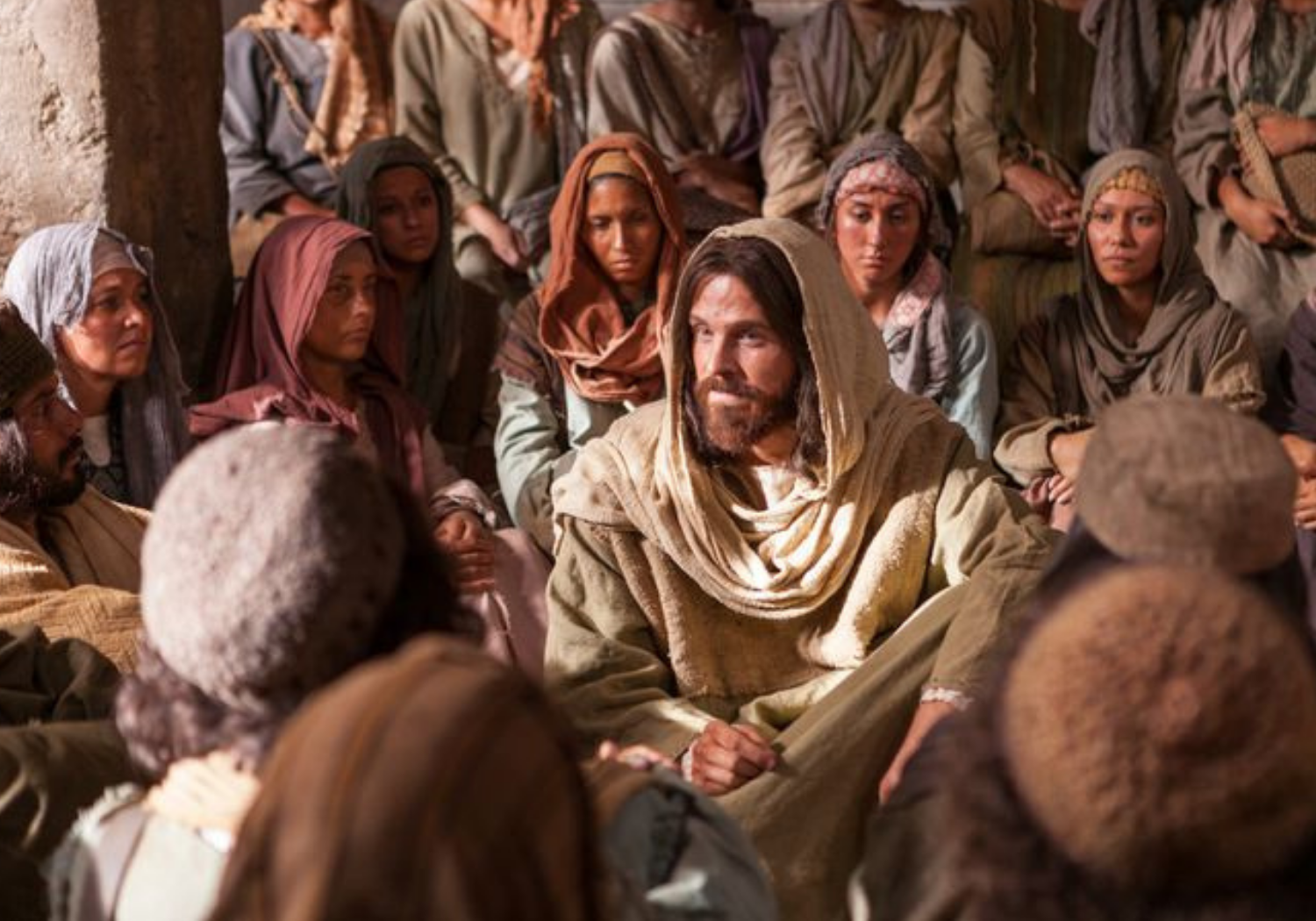 The Early Church Example: Meeting on the First Day
Some argue that Sunday worship came from Roman or Pagan influence, but Scripture tells a different story.
Early Christians gathered on the first day of the week — not as a law, but as a pattern that reflected the resurrection of Christ.
In Acts 20:7, we see this clearly:
“And upon the first day of the week, when the disciples came together to break bread, Paul preached unto them, ready to depart on the morrow; and continued his speech until midnight.” — Acts 20:7
This wasn’t a casual meeting — it was a structured gathering with preaching and communion, very much like what we would call “church” today.
Paul also gives instruction to the Corinthians regarding their offerings:
“Upon the first day of the week let every one of you lay by him in store, as God hath prospered him, that there be no gatherings when I come.” — 1 Corinthians 16:2
Here again, the early believers were meeting and giving on the first day of the week. They did so joyfully, in remembrance of the resurrection, and as an act of worship — not under compulsion.
When you put these passages together, it becomes clear that Sunday gatherings were a Biblical practice, not a compromise.
The first day of the week became significant because it represented new life, the dawn of the new covenant through Christ’s resurrection.
 The Real Issue: Worship or Legalism?
Now, it’s important to say this: there’s nothing wrong with gathering on Saturday. Some believers prefer to worship then, and that’s fine.
The issue arises when one group insists that their day is the only acceptable one — that’s where tradition starts to override truth.
Some met on Saturdays, others on Sundays, and sometimes they even had midweek gatherings. The day wasn’t what made it holy — the presence of God did.
Sincere believers gathering to worship, pray, and learn God’s Word. Share on XAs Paul wrote,
“God is not the author of confusion, but of peace, as in all churches of the saints.” — 1 Corinthians 14:33
When believers start arguing over which day is more spiritual, we lose sight of peace and unity — the very things God calls us to walk in.
 Serving God Every Day: Stay Devoted
Our worship is about the posture of our hearts, not the timing of our gatherings. Whether it’s Sunday morning, Saturday afternoon, or even Wednesday night, God is honored when His people come together in love, unity, and devotion.
If we’re using our day of worship to divide or condemn others, we’ve already missed the point. Share on XAt the end of the day, the day you worship on won’t save you — Jesus will. The Bible gives believers freedom in how we worship, not bondage to rituals or traditions.
We must be careful not to elevate man-made customs above the truth of Scripture. The early church didn’t gather on Sunday to replace the Sabbath — they did it to celebrate the risen Christ.
That’s the heart of worship: remembering who He is and what He’s done.
When we focus more on rules than on relationship, we risk missing the very Savior we claim to honor. That’s why it’s vital to keep our eyes on the truth of God’s Word rather than the traditions of men.
If you found this study helpful, you’ll also appreciate this related article: Did Jesus Make a Mistake in This Verse?
It explores how Jesus’ words, though sometimes misunderstood, always reveal divine wisdom — reminding us that His truth never contradicts itself, even when it challenges our assumptions.
WATCH THE VIDEO















Recent Comments