
Exposing the Silly Tricks Tovia Singer Uses to Deceive Christians
In recent years, Rabbi Tovia Singer has become one of the most vocal critics of Christianity, often engaging Christians with sharp arguments intended to discredit their faith.
But when you listen closely, many of his claims rely on half-truths, misdirection, and selective quoting of Scripture.
In one debate, Singer mocked a Christian for quoting Romans 10, saying,
“Don’t quote Paul—quote the Torah.”
What he didn’t expect, however, was that Paul was quoting the Torah.
This is one of the oldest tricks deceivers use—making the New Testament seem to contradict the Old, when in truth, it fulfills it perfectly.
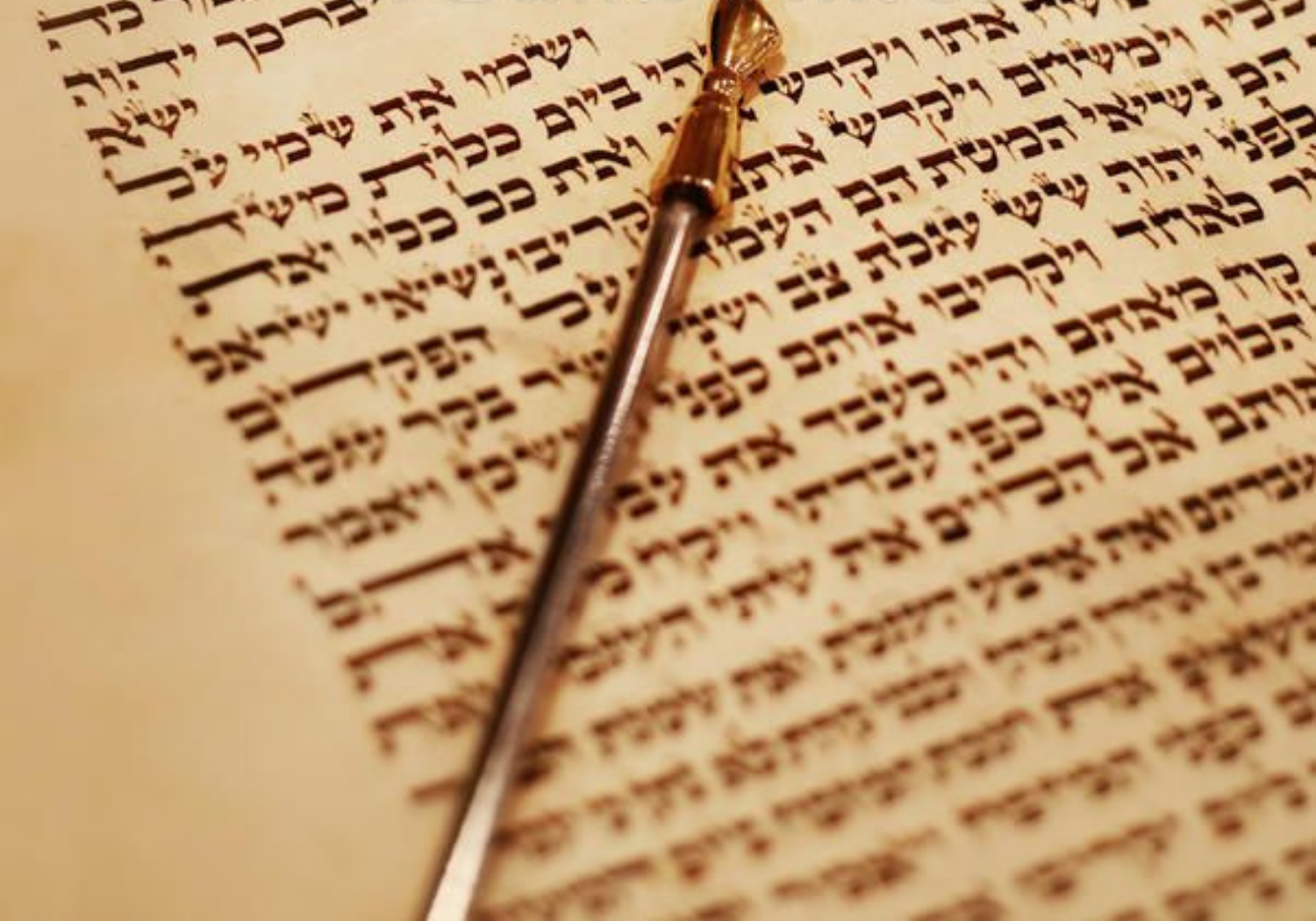 Paul Was Quoting the Torah, Not Replacing It
When Paul wrote Romans 10, he wasn’t inventing a new religion. He was pointing his fellow Jews back to what Moses had already written in Deuteronomy 32:16–21.
“They provoked him to jealousy with strange gods, with abominations provoked they him to anger.” — Deuteronomy 32:16
In that chapter, Moses describes Israel’s spiritual unfaithfulness—how they turned to idols and false gods. As a result, God declared that He would provoke Israel to jealousy by turning His favor toward another nation—a “foolish nation.”
Paul, being a Pharisee and scholar of the Torah, understood this passage perfectly. When he wrote in Romans 10 about salvation being extended to the Gentiles, he was explaining how this prophecy from Deuteronomy was being fulfilled.
God would use the faith of those who were “not a people” to stir Israel back to Himself.
“But I say, Did not Israel know? First Moses saith, I will provoke you to jealousy by them that are no people, and by a foolish nation I will anger you.” — Romans 10:19
So, when Rabbi Singer says, “Quote the Torah, not Paul,” he’s missing—or ignoring—the fact that Paul is quoting the Torah. The New Testament does not replace Moses; it reveals the completion of what Moses prophesied.
 The Real Issue Has Always Been Faith
In Deuteronomy 32:20, God describes the Israelites as “children in whom is no faith.” That’s the heart of the matter—not temple rituals, not sacrifices, not the law itself—but faith.
“And he said, I will hide my face from them… for they are a very froward generation, children in whom is no faith.” — Deuteronomy 32:20
This theme continues throughout the entire Bible. God’s problem with Israel wasn’t that they lacked rituals—it’s that they lacked trust. They built idols and altars, but their hearts were far from Him.
And that’s why Paul focuses so much on faith. The same God who condemned Israel’s unbelief in Deuteronomy is the One who now justifies both Jews and Gentiles who believe by faith.
“For by grace are ye saved through faith; and that not of yourselves: it is the gift of God.” — Ephesians 2:8
Faith has always been the key. From the wilderness wanderings to the Babylonian exile, those who trusted God—no matter where they were or what they lacked—found mercy.
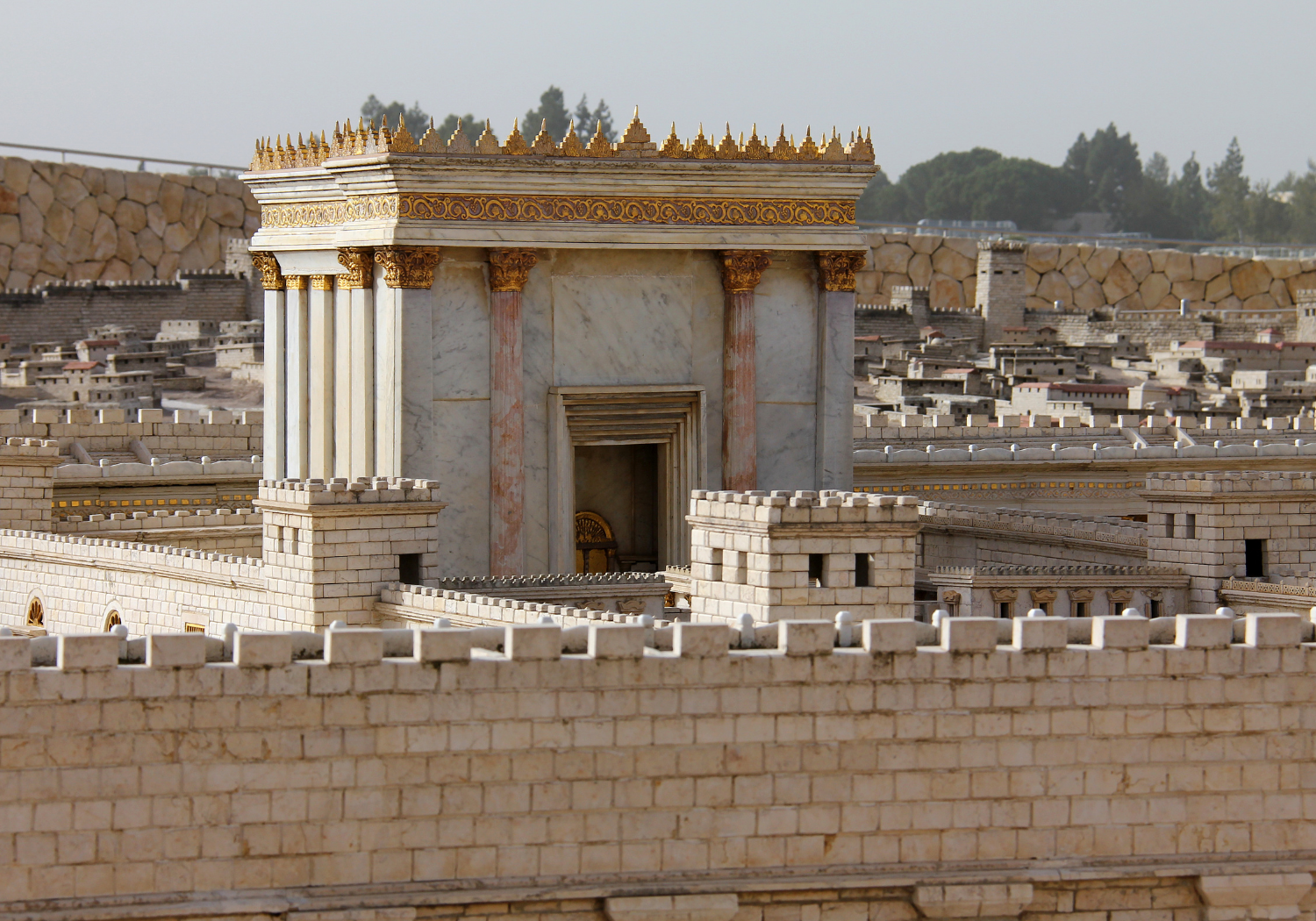 Forgiveness Without a Temple
Rabbi Singer often argues that without a temple, there can be no forgiveness. But that’s not what the Hebrew Scriptures say.
In Ezekiel 18:21, God makes it clear that forgiveness comes through repentance, not through an animal sacrifice or temple ritual:
“But if the wicked will turn from all his sins that he hath committed, and keep all my statutes, and do that which is lawful and right, he shall surely live, he shall not die.” — Ezekiel 18:21
That verse completely undermines the Rabbi’s argument. Even without a temple, God forgives those who turn to Him in repentance. This same principle was demonstrated in Jonah 3, when the people of Nineveh repented.
They had no temple, no priests, no Levitical system—just faith. And God showed them mercy.
If forgiveness required a temple, then none of them could have been saved. But Scripture says otherwise.
 Solomon’s Prayer Proved It Long Before
Even Solomon, when dedicating the temple, foresaw a time when Israel would be in exile—without access to the temple—and yet still be forgiven.
“If they sin against thee… yet if they shall bethink themselves in the land whither they were carried captives, and repent… Then hear thou their prayer and their supplication in heaven… and forgive thy people.” — 1 Kings 8:46–50
Notice that Solomon says God would forgive their sins from heaven, even though they couldn’t offer sacrifices.
Faith and repentance are what God listens to—not mere ceremonies. Share on XThis is crucial because Rabbi Singer’s argument collapses under the weight of Scripture itself.
The Torah and the prophets already reveal that forgiveness is possible without a temple—because God’s mercy has always been greater than man’s rituals.
Another false claim that gets repeated often is that “God cannot become a man.” Yet, the very Scriptures Rabbi Singer claims as his foundation show that God has appeared in human form multiple times.
When Ezekiel saw the glory of God, he described what he saw in strikingly human terms. Moses too saw visible manifestations of God—at the burning bush, on Mount Sinai, and in the tabernacle where God’s presence dwelt among His people.
So when Tovia Singer says, “God cannot appear as a man,” the Torah itself disagrees. The God of Israel has appeared in visible, personal form throughout Scripture.
The incarnation of Christ doesn’t contradict the Torah—it fulfills what the prophets already revealed. Share on X The Consistent Thread: Faith Is the Catalyst
Whether it was during the time of Moses, the prophets, or Paul, the consistent message has always been the same: faith is what unlocks God’s mercy.
Faith moves God to forgive. It brings repentance. Faith transforms hearts when rituals cannot. Share on XEven when Israel built the temple, God condemned those who lacked faith. And when the temple fell, He still accepted those who believed. Faith—not a building or a ritual—reconciles us to God.
That’s why the Rabbi’s insistence on temple-only forgiveness misses the point entirely. From Moses to Ezekiel to Solomon to Paul—the message is unified: God is after your faith.
The same God who judged Israel for their idolatry is the same God who offers grace to all who believe. The Torah, the prophets, and the apostles all point to one truth—faith is the foundation of salvation.
 See Faith
When we look at Scripture honestly, we see that Paul didn’t twist Moses’ words; he revealed their fulfillment. God never limited His mercy to one building or one people.
From the beginning, His desire was that all nations would know Him through faith.
As you reflect on this, remember: the enemy’s oldest tactic is to twist God’s Word. But when you study the Scriptures in full, truth always exposes deception.
To go deeper in understanding how God reveals Himself and why the idea of “God becoming man” is consistent with the Hebrew Bible, read this next: God Is Not a Man: Understanding the Divine Nature of God and Jesus.
When you understand who God truly is—not just through the temple, but through His presence among His people—you begin to see that faith in Christ doesn’t contradict the Torah; it completes it.
WATCH THE VIDEO


















Recent Comments