
Did Matthew Misquote Jeremiah? Understanding Matthew 27:9
Matthew 27:9 is a verse that has puzzled many readers of the Bible. At first glance, it seems like Matthew, the author of the Gospel, may have made an error by attributing a prophecy to Jeremiah that, when checked, is actually found in Zechariah.
This apparent discrepancy has led some to question the accuracy of the New Testament’s use of Old Testament prophecies.
But as with many such challenges, a deeper look reveals that this is neither a mistake nor a contradiction.
Rather, it is an example of how Biblical authors and the original readers understood prophecy in a way very different from our modern assumptions.
Let’s explore what is really happening in this passage and why Matthew’s reference to Jeremiah should not be a cause for concern, but rather a point of encouragement about the unity and depth of Scripture.
 The Context: Judas, Thirty Pieces of Silver, and the Field of Blood
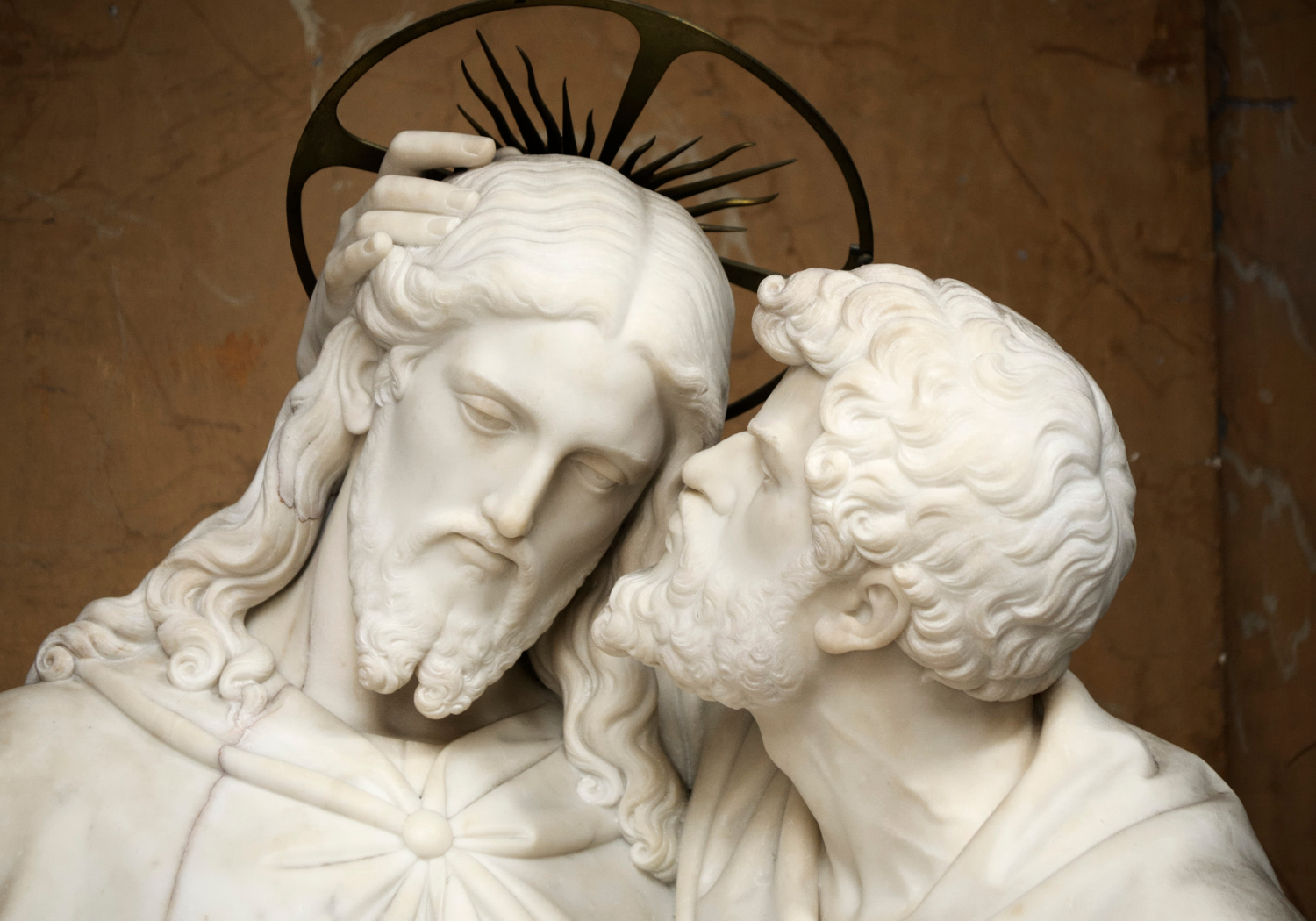
The background to Matthew 27:9 is well known. Judas Iscariot, one of Jesus’ twelve disciples, betrays Him for thirty pieces of silver.
After Jesus is arrested, Judas is filled with remorse and returns the money to the chief priests and elders.
They refuse to put the money back into the temple treasury because it is considered “blood money.” Instead, they decide to use it to buy a field, known later as the “Field of Blood,” to bury strangers.
Matthew then comments that this sequence of events fulfilled what was “spoken by Jeremy the prophet”:
“Then was fulfilled that which was spoken by Jeremy the prophet, saying, And they took the thirty pieces of silver, the price of him that was valued, whom they of the children of Israel did value.” — Matthew 27:9
This is the verse that raises questions. When we examine the book of Jeremiah, there is no direct prophecy that matches this description.
Instead, the closest parallel is found in Zechariah 11, which specifically mentions the thirty pieces of silver and the purchase of a field.
So why does Matthew attribute this prophecy to Jeremiah?
 Reason #1: The Prophecy Was Spoken, Not Necessarily Written
One crucial detail is Matthew’s careful wording. He does not say that Jeremiah wrote the prophecy but that Jeremiah spoke it.
This distinction allows for the possibility that Jeremiah prophesied something orally—something not recorded in his book—but later captured in writing by Zechariah or known in the broader prophetic tradition.
The Bible shows that prophets sometimes spoke messages that were not immediately written down or preserved in Scripture.
For example, Acts 21:9 describes Philip’s four daughters as prophetesses, yet none of their prophecies appear in the Bible.
Therefore, Matthew may be drawing on a tradition that Jeremiah spoke these words, even if Zechariah preserved the exact wording.
The Holy Spirit inspired Matthew to combine these for his readers, highlighting a prophetic truth familiar to the Jewish community but not always recorded in a single Old Testament book.
 Reason #2: The Use of Composite Citations in Scripture
Another key to understanding Matthew 27:9 is recognizing the practice of composite citation in the New Testament.
This refers to the way Biblical authors sometimes combined multiple Old Testament passages or themes to make a single point about Jesus’ fulfillment of prophecy.
Rather than quoting a single verse, they would draw from various texts to form a theological mosaic that pointed to Christ.
Matthew uses this technique elsewhere. For example, in Matthew 2:23, he writes:
“…that it might be fulfilled which was spoken by the prophets, He shall be called a Nazarene.” — Matthew 2:23
No Old Testament passage explicitly says this, yet Matthew combines several prophetic ideas, especially relating to the Hebrew word netzer (“branch”), which connects to “Nazareth.”
This wordplay draws on passages like Isaiah 11:1 and Zechariah 6:12, where the Messiah is called a “Branch.”
Similarly, in Mark 1:1-3, Mark combines texts from both Malachi 3:1 and Isaiah 40:3. The text reads:
“Behold, I send my messenger before thy face, which shall prepare thy way before thee. The voice of one crying in the wilderness, Prepare ye the way of the Lord…”
Mark attributes the entire quotation to Isaiah, even though it includes Malachi.
People commonly practiced this because they considered Isaiah the greater prophet, and they accepted grouping prophetic writings under his name.
In fact, New Testament writers sometimes wove together multiple strands of prophecy—including allusions to Exodus 23— to make a single, unified point.
 Jeremiah and Zechariah: A Deeper Connection
When we return to Matthew 27:9, we see a similar pattern.
Matthew points to Jeremiah because of the powerful imagery in Jeremiah 32. In that chapter, God instructs Jeremiah to buy a field.
This act symbolizes hope and restoration during the coming judgment. It shows that the land—and ultimately God’s people—would be redeemed.
Zechariah 11 contains a specific prophecy about thirty pieces of silver and the betrayal of the shepherd. This prophecy directly echoes Judas’s payment and the purchase of the field.
By referencing Jeremiah, Matthew highlights the greater prophetic framework involving a land purchase and God’s plan for redemption.
By implicitly including Zechariah’s prophecy, he connects the details to Judas’s betrayal and the field purchased with “blood money.”
This composite citation would have been clear and meaningful to Matthew’s first-century Jewish readers, who were familiar with these intertwined prophecies and their themes.
 Understanding the Greater Prophet and First-Century Jewish Customs
The practice of referencing “the greater prophet” was common in Jewish tradition. Isaiah, Jeremiah, and others were often cited collectively to convey a broader prophetic message.
When Matthew says “spoken by Jeremy the prophet,” he is likely emphasizing Jeremiah’s significance and the thematic connection to the land purchase.
His readers would understand that this did not exclude Zechariah’s recorded prophecy but complemented it.
In addition, it’s important to realize that prophecy was not only about exact words but also about themes and fulfillment. Jesus’ life and death fulfilled many prophecies simultaneously — some spoken, some written, some direct, others symbolic.
This layered understanding helps us appreciate the depth of Biblical prophecy and strengthens our confidence in the Bible’s reliability.
 A Harmonious and Inspired Scripture
Matthew did not make a mistake in Matthew 27:9. Instead, he faithfully recorded a prophetic tradition.
He combined spoken and written elements. He also used a composite citation. This shows how Jesus fulfilled Old Testament prophecies.
When we understand how first-century Jewish readers interpreted scripture, Matthew’s wording makes sense. It is neither misleading nor incorrect. Rather, it is a nuanced and inspired way to point to Jesus as the Messiah.
This teaches us that Scripture is rich, complex, and unified — even when it challenges our modern assumptions about literal quotations.
If you found this enlightening, you might want to explore another challenging passage where Jesus uses strong words about discipleship in this article: Luke 14:26 Explained.
This will deepen your understanding of Jesus’ call to radical commitment and clarify common misunderstandings.
WATCH THE VIDEO














Recent Comments