
Muslim & Rabbi Team Up to Attack Christians and Gets Destroyed!
What happens when you put an Orthodox Muslim and Rabbi Tovia Singer together to argue against Christianity? You’d expect a united front. Instead, what unfolded was a train wreck.
For nearly twenty minutes, the rabbi railed against Christianity—accusing believers of manipulating Scripture, twisting theology, and inventing doctrines. The Muslim nodded along, agreeing with his criticisms.
 But then the Muslim asked one specific question that stopped everything in its tracks:
“In the first and second century, even around the time of Jesus, there was a group known as the ‘Two Powers in Heaven.’ The Talmud calls it a heresy, and texts like Enoch mention figures like Metatron as the ‘little Yah.’ What was that movement, and how was it viewed by Judaism back then?”
This wasn’t a small question. It cut straight to the heart of the matter: Did Christianity invent the idea of Jesus being divine—or was it already being debated in Jewish thought long before?
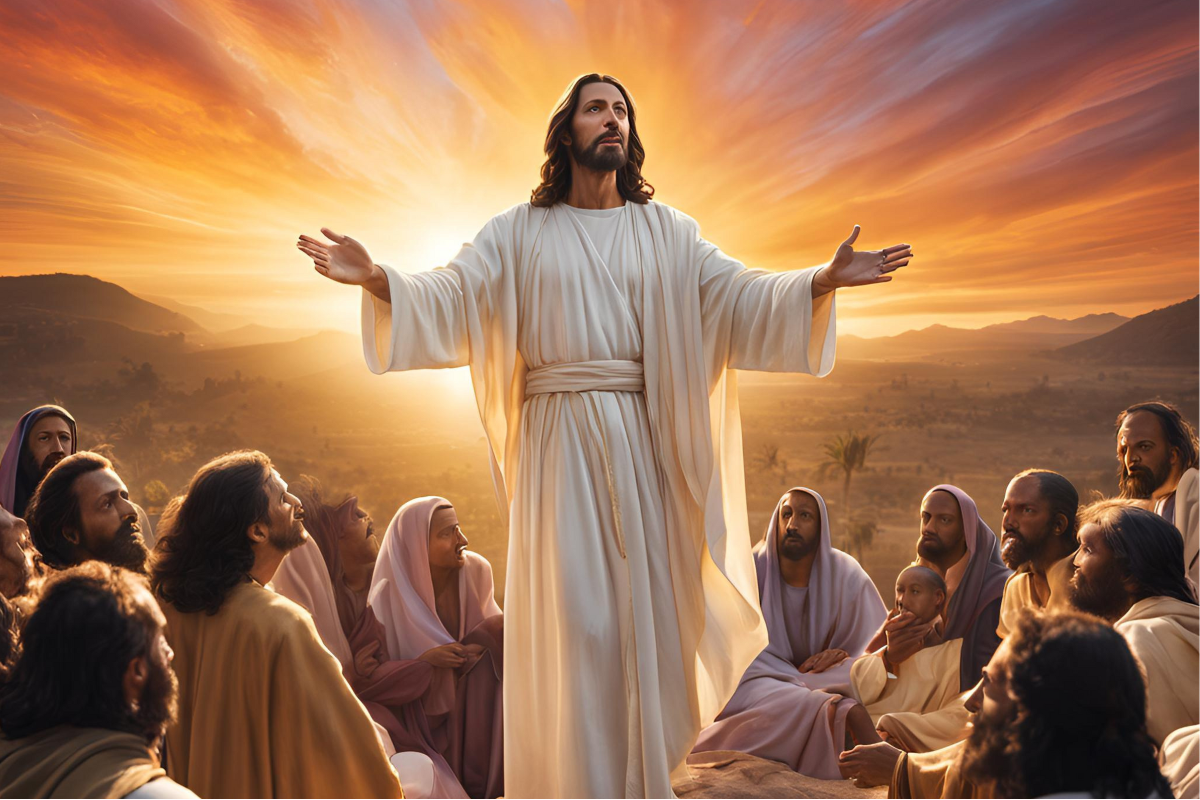 The Timeline: Before Christianity
The first important point about the Muslim’s question is the timeline.
He wasn’t asking about something that came centuries later. He was pointing back to the first century—the very time of Jesus—and even before.
That means Christians could not have invented the “Two Powers in Heaven” doctrine. It was already being discussed among Jews.
And here’s what that belief taught:
- There is one God.
- But alongside Him, there is a second Person who is also divine.
- This second Person is the One who most often interacts with mankind.
Sound familiar? It mirrors the Christian confession of the Father and the Son.
The ancient rabbis used different titles for this second divine figure:
- The Angel of the Lord (who appears throughout the Old Testament, speaking as God and receiving worship).
- Wisdom (as described in Proverbs 8, present with God at creation).
- The Son (a messianic designation).
This wasn’t heresy at the time—it was a serious theological discussion. Only later, when Christianity spread, did Rabbinic Judaism begin branding it as dangerous.
 Daniel 7: The Son of Man and the Ancient of Days
The Muslim mentioned the Book of Enoch, but he missed something more important: the Hebrew Bible itself.
The most famous passage connected to this doctrine is Daniel 7, which describes two divine figures:
“I saw in the night visions, and, behold, one like the Son of man came with the clouds of heaven, and came to the Ancient of days, and they brought him near before him.” – Daniel 7:13
In this vision, the Ancient of Days sits on the throne, but another figure—the Son of Man—approaches, riding on the clouds. In Jewish thought, only God rides the clouds. Yet here, the Son of Man shares divine glory and receives an eternal kingdom.
This is exactly the kind of passage that forced rabbis to wrestle with the idea of two powers in heaven.
So how did Rabbi Singer answer? First, he brushed it off:
“If you interviewed 500 Orthodox Jews today, none would even know what you’re talking about.”
But that dodges the question. We’re not talking about twenty-first century rabbis—we’re talking about first-century rabbis. The question is whether ancient Jews actually held these beliefs.
Popularity doesn’t determine truth. Share on XSecond, he claimed Greek philosophy caused it all—arguing that Plato and other pagan ideas imported dualism. But history doesn’t support this.
Writers completed the Old Testament long before Greek philosophy arose. Jews debated God’s nature by wrestling with Scripture, not by borrowing from foreign ideas.
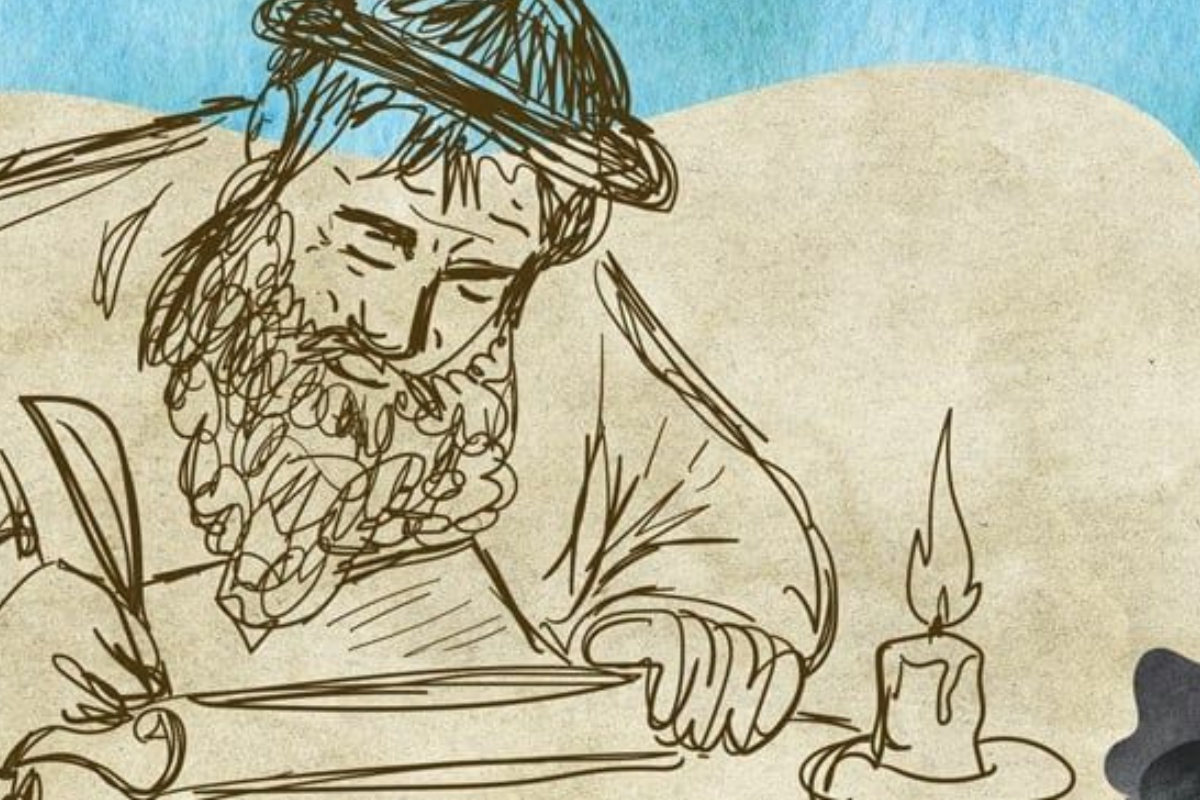 Rabbi Akiva and the Book of Enoch
One of the most significant rabbis of the first and second century, Rabbi Akiva, is recorded in the Talmud as having believed in this Two Powers teaching.
If even a leading rabbi wrestled with it, this wasn’t a fringe belief. It was widespread. Over time, however, it was suppressed—because it pointed directly to Jesus.
The Muslim mentioned Enoch, which does speak of heavenly figures. Rabbi Singer dismissed it, saying it means nothing to Jews. And to an extent, that’s true—Enoch isn’t canonical Scripture.
But here’s the problem: this isn’t just about Enoch. It’s about Daniel, Isaiah, and Genesis—books the rabbi can’t dismiss.
- Genesis 1:2 – “And the Spirit of God moved upon the face of the waters.” Already, we see more than one Person at work in creation.
- Isaiah 53 – The Suffering Servant bears the sins of many, pointing to a divine Redeemer.
- Daniel 7 – The Son of Man comes with the clouds to the Ancient of Days, sharing divine authority.
These aren’t Greek ideas. They are straight from the Hebrew Bible.
Likewise, Jewish scholar Dr. Daniel Boyarin, in works like Border Lines and The Jewish Gospels, acknowledges that early Judaism contained “Two Powers in Heaven” theology long before Christianity, showing that Christians did not invent these ideas.
The rabbi then turned his attention to Paul, accusing him of importing “mystery religion” ideas. He quoted Ephesians 3 and 1 Corinthians 2, where Paul speaks of a hidden mystery revealed in Christ.
But Paul wasn’t creating something new. He was showing the fullness of what the Old Testament already contained.
- Ephesians 3:4–5 – The mystery of Christ is now revealed, but it was always God’s plan.
- 1 Corinthians 2:7–8 – If the rulers had understood it, they would not have crucified “the Lord of glory.”
Paul didn’t invent the doctrine of Christ’s divinity. He proclaimed what the Law and the Prophets had already prepared the way for.
 The Suppression of Truth
Why is this so controversial? Because if Jewish rabbis before and during the time of Jesus acknowledged Two Powers in Heaven, then the Christian claim about Jesus as the Son of God has deep Jewish roots.
This is why modern rabbis deny it ever existed. It’s easier to blame Greek influence than to admit the Hebrew Bible and Rabbinic tradition themselves point to a divine Messiah.
But the truth is inescapable:
- The Angel of the Lord in the Old Testament speaks as God.
- The Spirit of God is active from creation.
- The Son of Man in Daniel 7 shares God’s glory.
- The Suffering Servant in Isaiah 53 bears our sins.
The reason rabbis today deny that Two Powers theology was widespread is simple: it points directly to Jesus. The doctrine was quietly sidelined after Christianity spread because it so clearly aligned with the claims of Christ and His apostles.
Yet the evidence remains in the Hebrew Bible itself. From Genesis to Isaiah, Daniel to the Gospels, God reveals Himself as Father, Son, and Spirit.
These aren’t inventions—they are revelations.
 The Scripture is the Ultimate Foundation
What was meant as a united attack on Christianity ended up backfiring. The Orthodox Muslim’s question pulled back the curtain on something rabbis don’t want to admit: long before Christianity, Jewish theology wrestled with the reality of God’s complex unity.
Christians aren’t importing Greek myths. We’re standing on the foundation of Scripture and the debates of ancient rabbis themselves.
As Isaiah asked:
The arm of the Lord has been revealed—in Christ Jesus, the Son of God. Share on X“Who hath believed our report? and to whom is the arm of the Lord revealed?” – Isaiah 53:1
If this discussion opened your eyes to how ancient Jewish thought already pointed toward Christ, you’ll want to dig deeper.
In fact, the question of Paul’s authority and martyrdom is another place where critics try to dismiss Christianity—but the evidence tells a different story. You can read more here.
WATCH THE VIDEO
















Recent Comments